By Murray Hunter
IN the sweltering waters of the Strait of Hormuz, where a fifth of the world’s oil once flowed with relative predictability, President Donald Trump’s latest grand gamble is unfolding not as a masterstroke of deal-making but as a slow-motion unravelling.
What began with bold declarations and the shredding of diplomatic remnants has devolved into a chaotic cycle of strikes, retaliations, and half-hearted ceasefires.
The so-called memorandum of understanding lies in tatters, superseded by fresh American attacks and Iran’s punishing responses.
Far from a coherent strategy, the administration’s moves increasingly bear the hallmarks of impulse over calculation.
Trump entered this fray promising strength, security, and perhaps another “beautiful” agreement.
Instead, the United States finds itself entangled in a confrontation where escalation ladders are controlled more by Tehran than by Washington.
The Iranian Supreme Leader’s funeral drew massive crowds channelling raw grief into calls for revenge.
Oil stockpiles worldwide teeter on the edge. Global powers remain fractured in their responses.
And the war in Ukraine, far from winding down, draws new momentum from the distraction.
In this volatile brew, further escalation isn’t bold leadership; it’s playing Russian roulette with the global economy.
The human and strategic costs are mounting. Iran views the conflict as existential, hardening its resolve to fight on multiple fronts.
Proxy battles rage: Hezbollah in Lebanon, the Houthis disrupting the Red Sea, and strikes testing Gulf states’ resilience.
Saudi Arabia, the UAE, and others watch their own vulnerabilities exposed.
Pakistan and regional players are currently scrambling for de-escalation, recognising that uncontrolled fire could consume monarchies and republics alike.
Iran holds the escalation initiative; it has little incentive to return to the negotiating table, where prior terms were discarded.
In the United States, the clock ticks louder. Congressional elections loom in November.
A backlash could flip the House or Senate, empowering investigations, impeachment proceedings, and scrutiny not just of policy but of the Trump family’s dealings.
Trump’s term, already a second-act drama, risks premature curtailment.
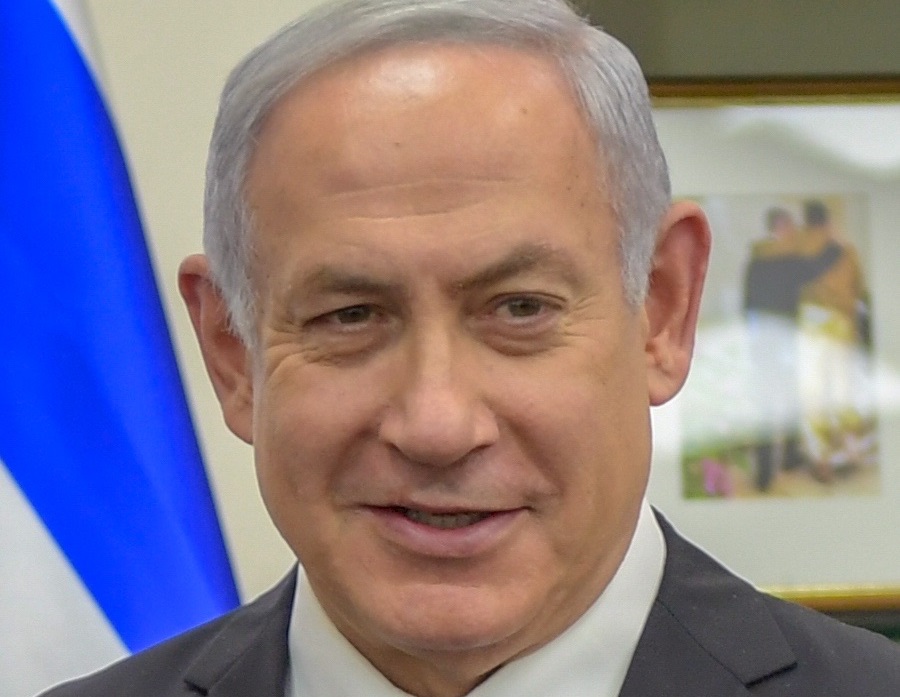
Meanwhile, across the region, Benjamin Netanyahu confronts his own electoral precipice in Israel.
Defeat there could mean legal accountability without the shield of power or a timely pardon. Alliances built on mutual political survival are brittle at best.
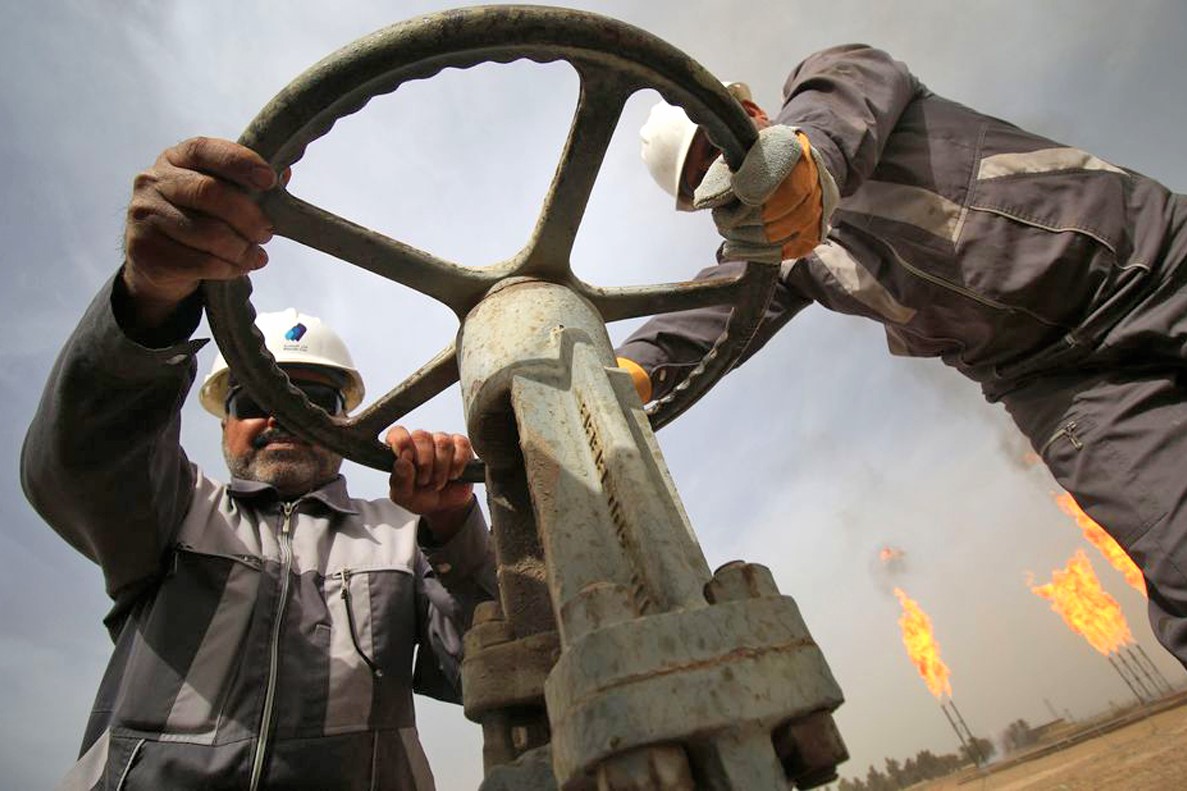
Economically, the warning lights are flashing red.
Europe, already mired in recessionary gloom, faces energy shocks that could cascade across the Atlantic.
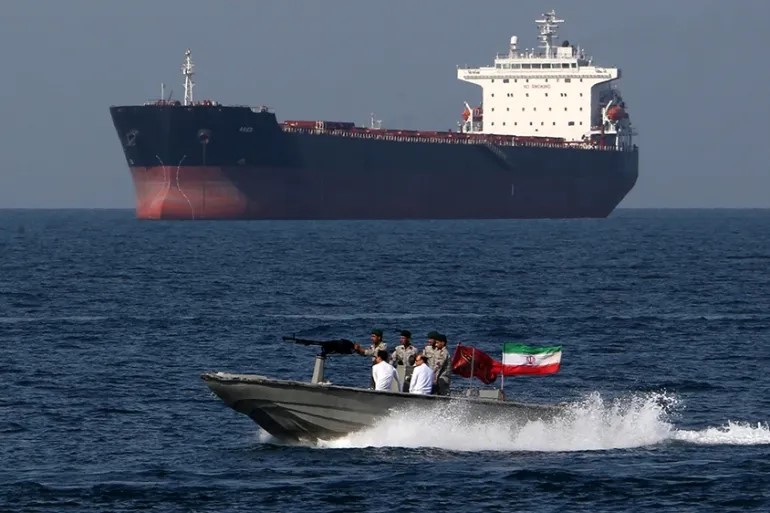
Shipping disruptions, insurance spikes, and oil volatility punish consumers and industries alike. Trump’s approach, heavy on military signalling, light on sustained diplomacy, has depleted U.S. arms stockpiles, strained by simultaneous demands from Ukraine and the Gulf.
The nation risks emerging militarily hollowed even if tactical wins accumulate.
Advisors, critics charge, offer short-term operational tweaks rather than the long-view statecraft needed to navigate great-power friction and proxy entanglements.
The MAGA base, drawn to promises of restraint abroad and focus at home, shows signs of disillusionment as images of endless conflict dominate feeds and fuel prices bite.
Iran’s strategists reportedly see this internal erosion as their sharpest weapon by letting Trump’s own decisions, unchecked by cooler counsel, do the heavy lifting of self-inflicted damage.
Emotional rhetoric substitutes for patient leverage. Tactical strikes replace strategic patience.
The result is a policy that looks muscular in press releases but brittle under sustained pressure.
Gulf nations under direct or indirect threat understand the stakes.
The Red Sea’s viability as a trade route hangs in the balance. Global supply chains, still scarred by prior shocks, face fresh tests.
Nations once aligned in containing Iran now hedge, divided by energy needs, ideological pulls, and fears of wider war.
Trump’s insistence on “toll-free” passage and security fees imposed on allies has mixed bravado with transactional demands that strain even friendly relations.
History rarely offers clean parallels, but the echoes are uncomfortable: great powers drawn into regional quagmires by overconfidence, underestimating adversaries’ resilience and domestic political blowback.
Trump’s team excels at short-term disruption through blockades, escorts, and targeted hits, but without a viable off-ramp or broader diplomatic architecture, it leaves the initiative with Iran.
Tehran can calibrate pain: sporadic attacks, proxy intensification, nuclear ambiguity. Washington burns resources and political capital.
The supreme irony is that a president who campaigned on ending endless wars and putting America first may find his legacy defined by a preventable spiral in one of the world’s most dangerous chokepoints.
Without a pivot toward sustained, realistic diplomacy, honouring the spirit if not the letter of prior understandings, the Gulf of Hormuz may not just test American resolve but expose the limits of one man’s instincts when pitted against geography, history, and collective global exhaustion.
As oil prices jitter and body counts rise, the question isn’t whether Trump can declare victory in a tweet.
It’s whether the domestic and international bills will come due before November, and whether the republic’s institutions can absorb yet another self-induced crisis.
The waters of Hormuz run deep, dark, and unforgiving.
Navigating them demands more than slogans. It requires strategy.
The current course suggests a different destination, not triumph, but a slow, grinding erosion of the very power Trump seeks to project. – July 15, 2026








.jpeg)