RECENTLY, the Inland Revenue Board (IRB) was widely reported to have audited and investigated 408,726 cases this year, resulting in additional tax assessments of about RM7.7 billion.
That figure does not necessarily represent money already collected. Even so, the amount is substantial.
IRB said its efforts covered high-risk areas including high-net-worth individuals, the tobacco, liquor and vape sectors, and aggressive tax planning.
At a time when Malaysia faces mounting financial pressures, IRB’s efforts to improve tax compliance deserve recognition.
The West Asia conflict has driven up global energy prices, pushing the government’s fuel subsidy bill well above what was originally budgeted.
The government has said subsidies could cost nearly RM40 billion this year, compared with the RM15 billion allocated in Budget 2026. That is a significant gap, and one that must ultimately be managed through public finances.
Subsidies help families and businesses cope with sudden price increases.
But they are not free. But they are funded from public revenue, and a much larger bill in one area can leave less room for other needs, including healthcare, education, public transport and assistance for lower-income households.
Right now, much of the debate about subsidies focuses on how much relief the government should continue providing.
Less attention is paid to the other side of the equation: how to ensure that revenue is collected fairly and efficiently.
As any accounting student knows, spending cannot continue without money coming in.
For one, the government should review tax breaks and exemptions to make sure they are still delivering the benefits they were introduced to achieve.
Incentives that attract investment, create good jobs or build local skills may be worth keeping.
But where a break brings little clear benefit, it should be reconsidered.
Even small changes across several schemes could help protect public revenue without placing a new tax directly on ordinary households.
There is also a practical question about markets that continue to operate despite restrictions.
Vaping is one example. The government has collected RM354.51 million in excise duty on vape products from 2023 to June this year.
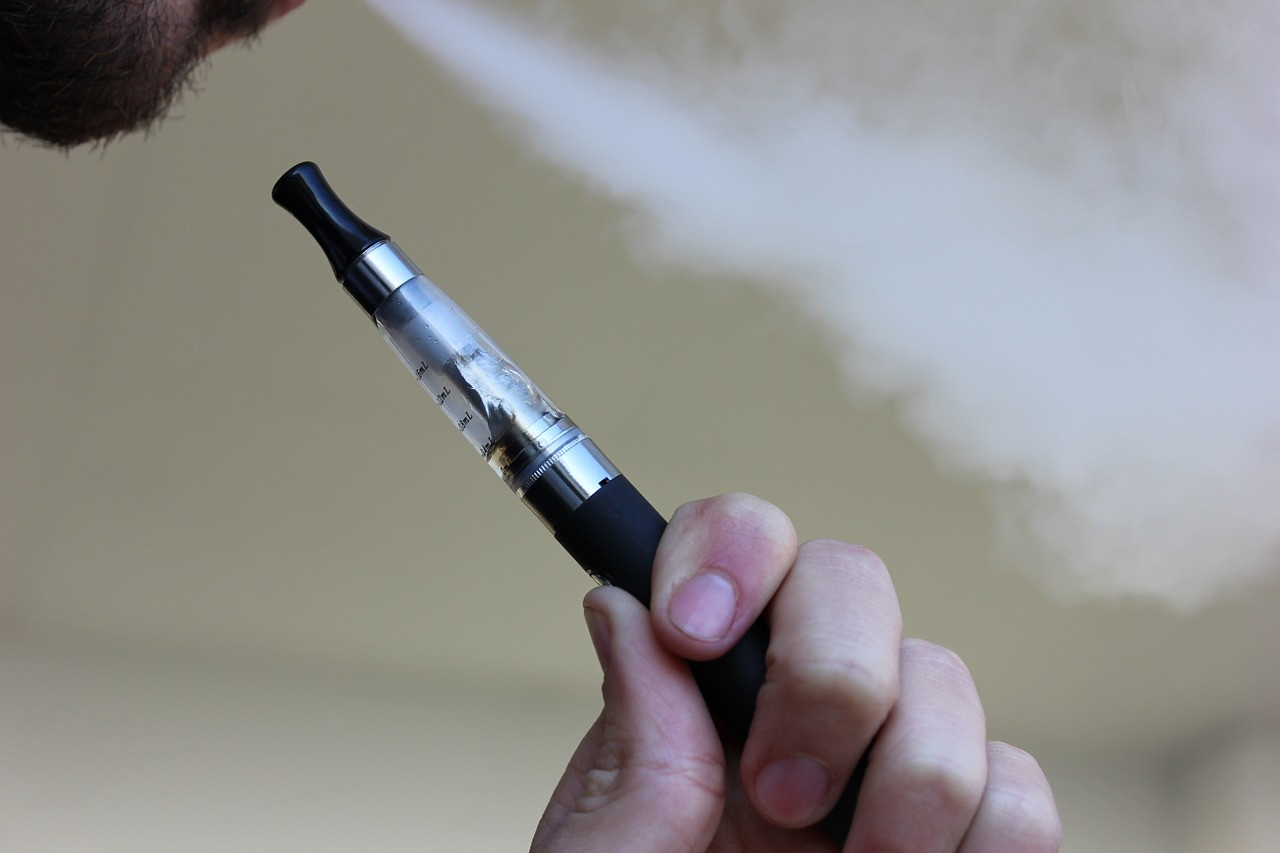
If vaping is banned, some sales may move underground.
Products sold illegally are harder for authorities to inspect and trace, and are less likely to contribute tax in the same way as products sold through licensed businesses.
This raises a reasonable question: could strict licensing, age checks, product standards, limits on where products may be sold, and meaningful penalties control the market more effectively?
Lastly, the government should also make better use of the tools it already has to collect taxes that are owed.
IRB already uses e-invoice data and other information to help identify under-reported income, unpaid taxes and aggressive tax planning.
Next, it should follow up on credible risks, give taxpayers a fair chance to correct genuine errors and take firm action against deliberate evasion.
Malaysia needs reliable revenue to meet everyday needs and respond to unexpected crises.
The IRB figures are a timely reminder that compliance matters, but revenue also depends on reviewing existing policies and making sure they work as intended.
No single measure will close the gap between public needs and available funds.
The government should keep examining how it collects revenue, spends public money and manages markets that are difficult to eliminate.
Hassan Mansor
Seberang Jaya
Penang