
IN a democracy, power lies with the majority. But it is about time all politicians realise that the majority is the younger generation.
For far too long, some of our elders have deemed the opinions of the youth as insignificant because of the perception that they are “uninformed”, “irresponsible” and “too liberal”.
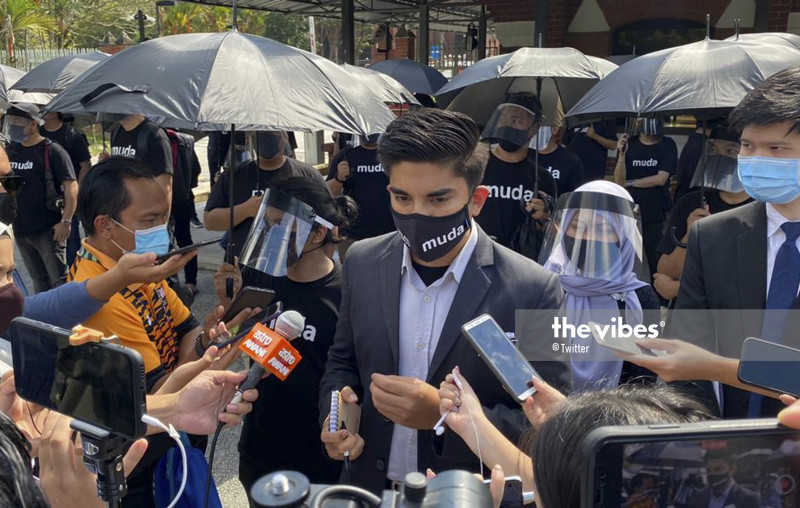
Just see how Muda founder and Muar MP Syed Saddiq Syed Abdul Rahman is treated by some of his elders in Parliament – with condescension and disrespect.
But the demographic that former youth and sports minister Syed Saddiq represents potentially holds the power to determine the results of the next general election.
This brings to the fore why politicians should start focusing on the younger generation.
Like it or not, the youth hold a majority in the next general election.
A legal amendment to the federal constitution to lower the voting age from 21 to 18 was approved by the Dewan Rakyat on July 16, 2019.
This amendment also included measures to automatically register voters. How will this impact future general elections? The next general election must be held before September 2023, which means that even most of those born in 2005 will be eligible to vote.
If we average the annual number of births in Malaysia to 500,000, then roughly 1.5 million more citizens are able to vote just by lowering the voting age.
Considering that the election cycle is every five years, there are an additional 2.5 million (500,000 x 5) eligible voters, making a total of four million new voters.
Taking into account automatic registration for voters, the government estimates this number to be upwards of 7.8 million new voters.
For perspective, in 2018, close to 15 million people were registered to vote in the 14th general election.
This makes the youth a considerable portion of the voting population, which potentially shifts the power of the election outcome to the youth.
If Malaysian politicians want to succeed, it is clear that youth civic engagement must be among their priorities.
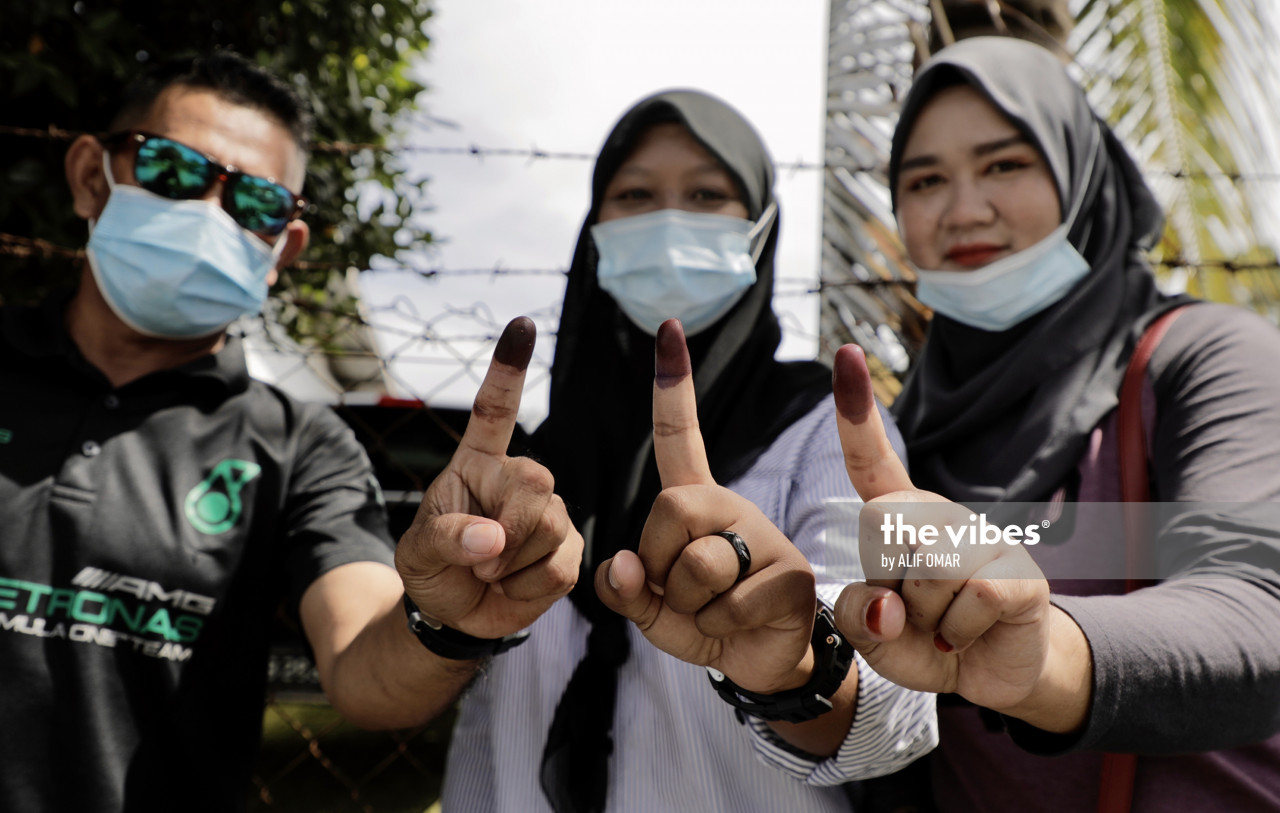
Engaging the youth can be mutually beneficial
On the one hand, the youth benefit from political engagement by being able to have a say in their future.
On the other, politicians who engage young people now have a larger base of eligible individuals who can support them and their agenda.
In order to gain the support of the youth, politicians must reflect on policies that cater to the needs and concerns of the 21st century, such as opportunities in education, the arts, culture, sports, jobs and career development, and economic and environmental sustainability – equality in all aspects.
This will create a sense of being Malaysian, a sense of belonging and a sense of nationhood. If these young individuals don’t feel as if there is a future in our country, they will leave.
So, it is the responsibility of political leaders to not just ensure that there is a future, but to convince them of it.
The youth can be powerful allies
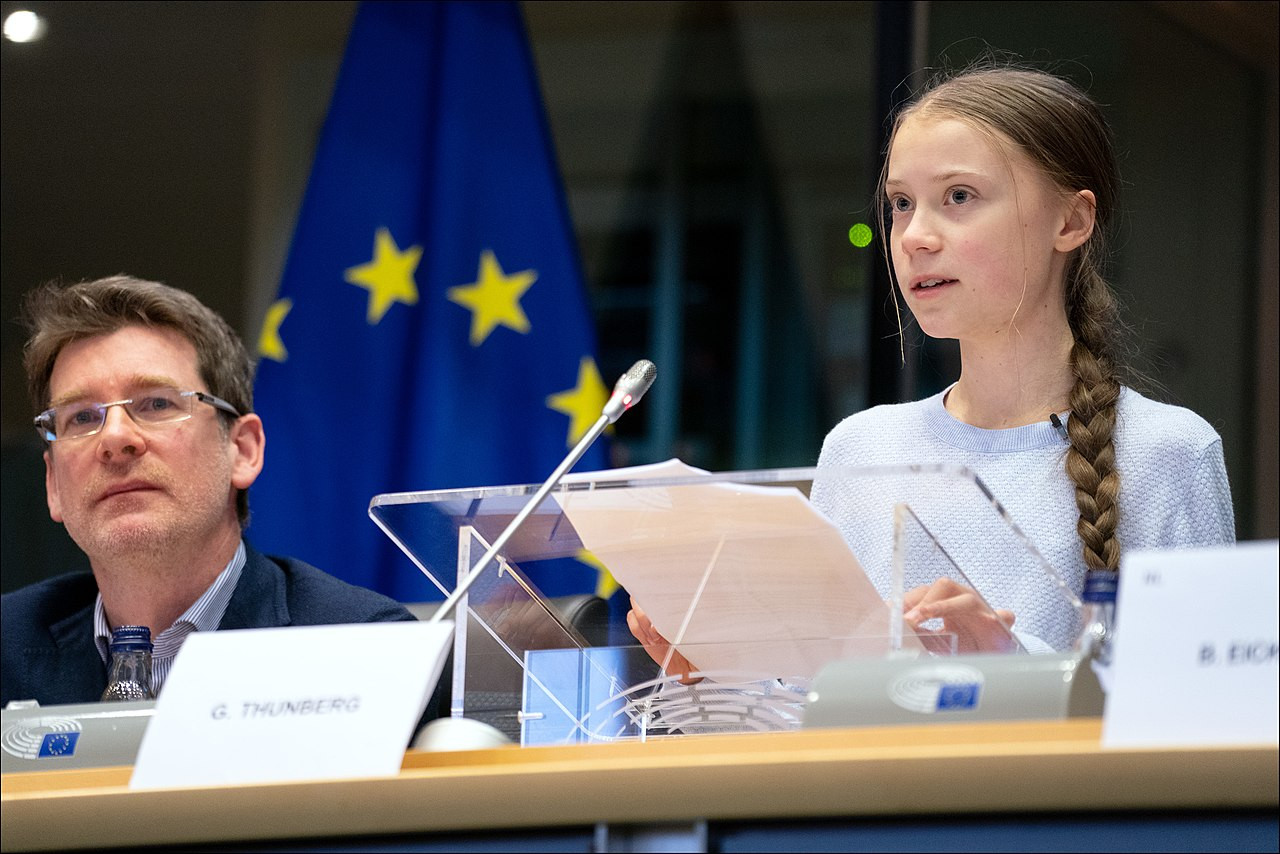
Take Greta Thunberg as an example of how capable young people can be in igniting positive and impactful change. At the mere age of 15, she took on the issue of global warming, protesting outside Parliament, calling for schools to hold strikes for meaningful action by world governments to address climate change.
Her grit, passion and conviction continued the momentum, resulting in school strikes in over 100 countries, supported by students, parents and teachers.
She has become the face of climate change globally despite the impediments she faced – not being taken seriously, not being old enough to vote, and her lack of an established traditional network.
Malala Yousafzai, another pivotal young individual, has shown how age is no barrier to societal change. Her political journey began at the tender age of 11, when she detailed her life during the Taliban insurrection in parts of Pakistan in a BBC blog.
This led to a documentary the following year, which gave prominence to the right to an education for girls.
As a result, she was shot by the Taliban, but survived, and continues to fight for female empowerment.
Her work has earned her a Nobel Peace Prize, making her the youngest laureate.
Even young individuals of no serious notability have proven to be powerful change-makers through their large reach via social networks.
An example of this is how the American youth used TikTok and Twitter to undermine attendance at a Donald Trump rally in Tulsa last year.
Using social media networks, thousands of teens registered for tickets to this rally and did not attend, ultimately sabotaging the former president’s rally turnout.
Evidently, the youth’s ability to spread information through social media is an asset that politicians should seek. These are all examples of the power of the youth.
To all Malaysian politicians, engaging young people in a meaningful way does not only benefit you, but also our country and our youth.
After all, you keep referring to us as future leaders. So perhaps, it is time to let us lead. – The Vibes, January 25, 2021
Tara Sekhar, a student of sociology and politics at University of Edinburgh, Scotland, hopes those in power today will remember their own struggles to be heard when they were young