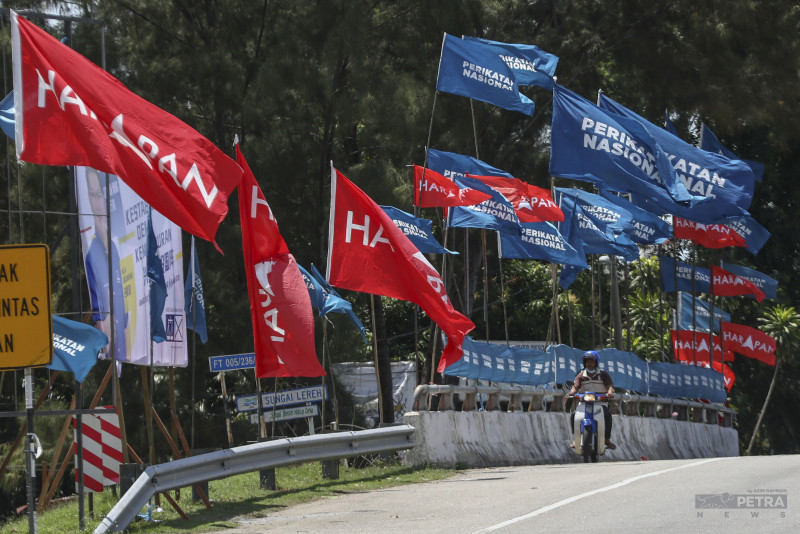
JOHOR’S state election campaign has moved into a fast-paced but carefully managed contest, where the visible energy on the ground is matched by a more calculated political undercurrent shaping every move by Barisan Nasional, Pakatan Harapan, and Perikatan Nasional.
With all 56 seats in play and more than 170 candidates confirmed after nomination day, the race is crowded on paper — but increasingly defined by strategic positioning rather than open confrontation.
Across constituencies, campaign activity has settled into a familiar pattern: walkabouts, local issue engagements, and targeted messaging aimed at specific voter segments.
But beneath that routine surface, the contest is being shaped by shifting voter demographics, coalition tensions, and recalibrated ground strategies.
Youth voters emerge as defining factor
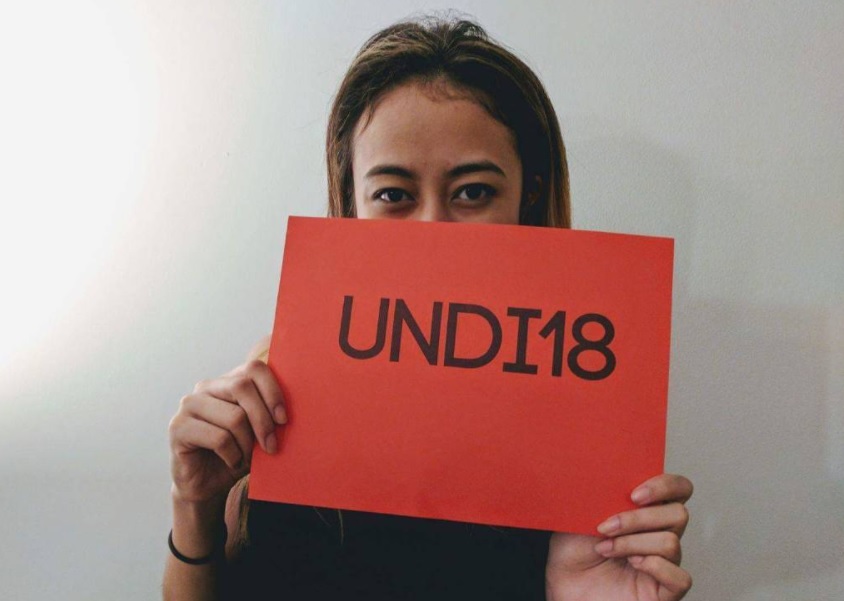
One theme dominates nearly every campaign circuit: young voters.
With Undi18 and automatic voter registration fully in effect, first-time and youth voters are now a significant bloc in several urban and semi-urban constituencies.
Campaign messaging has visibly shifted in response, with candidates focusing less on ideological framing and more on immediate concerns such as cost of living, job opportunities, housing affordability, and urban mobility.
However, while youth influence is widely acknowledged, turnout remains an open question.
Political fatigue and low engagement in urban areas continue to be a concern across party lines, making youth participation one of the most unpredictable variables in the election.
BN–PH relations tested on the ground
A defining feature of this Johor contest is the unusual political configuration at play: Barisan Nasional and Pakatan Harapan are coalition partners at the federal level, but direct competitors in Johor.
This has created a campaign environment where cooperation and competition coexist uneasily.
In many seats, both coalitions are fielding candidates against each other while maintaining a cautious tone to avoid undermining federal-level unity arrangements.
The result is a restrained but strategically competitive campaign atmosphere — one that prioritises local credibility, governance narratives, and candidate appeal over direct coalition conflict.

PN strategy and shifting content landscape
Perikatan Nasional’s presence in the race has also shaped the dynamics on the ground.
With a more selective contestation strategy compared to earlier expectations, several constituencies have seen reduced multi-corner fights, altering vote calculations in key battlegrounds.
Observers note that this narrower footprint has changed the competitive geometry in certain Malay-majority areas, while also raising questions about coordination and consistency within PN’s broader political alignment.
PAS directive adds unusual layer to campaign dynamics
One of the most discussed developments in the early campaign period is a reported instruction from a PAS leader encouraging supporters to back UMNO or Barisan Nasional candidates in constituencies where Perikatan Nasional is not contesting, while maintaining opposition to Pakatan Harapan.
The move reflects a longer-standing political narrative centred on Malay voter consolidation, but it also introduces a layer of complexity into the opposition landscape. In practice, it blurs conventional lines between rival coalitions and adds a tactical dimension to voter alignment in selected constituencies.
Analysts say such signals highlight the fluidity of ground-level political behaviour, where formal coalition boundaries do not always translate neatly into voter instructions.
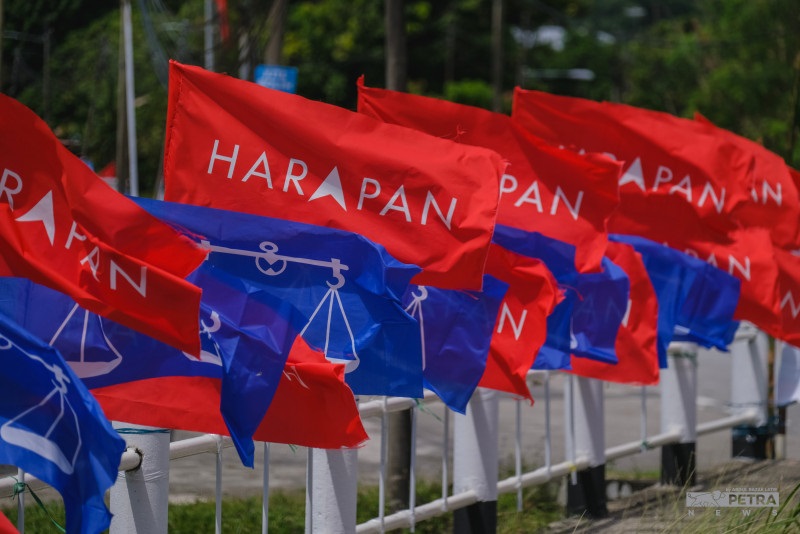
Local issues over national rhetoric
Despite the broader political implications, most campaigning in Johor remains firmly grounded in local issues.
Cost of living pressures, housing affordability — particularly in the Johor Bahru–Iskandar corridor — infrastructure demands, congestion, and employment opportunities dominate voter conversations.
Rather than ideological positioning, candidates are increasingly judged on perceived ability to deliver practical improvements, reinforcing a trend toward performance-based political evaluation.
As the campaign progresses, three core questions continue to shape strategic thinking across all major coalitions:
Can Barisan Nasional retain its traditional organisational strength in Johor?
Can Pakatan Harapan expand beyond urban strongholds into semi-urban and mixed constituencies?
And can Perikatan Nasional convert sentiment into seat gains despite a more limited contest map?
But beneath all of these lies a more uncertain factor — the actual turnout and influence of young voters, whose participation could quietly reshape several tight races.
For now, Johor’s campaign remains controlled, competitive, and carefully managed.
But as polling day approaches, the underlying volatility of voter sentiment may yet define the outcome. – July 3, 2026






.jpeg)