MALAYSIA kicked off its vaccination programme nationwide yesterday with Prime Minister Tan Sri Muhyiddin Yassin receiving the first shot, along with Health Director-General Tan Sri Dr Noor Hisham Abdullah and several medical frontliners.
With the Pfizer-BioNTech Comirnaty vaccine becoming available, we are all gearing up to receive vaccinations in terms of medical frontliners.
Unfortunately, there has been some confusion on the subject of vaccinations for people living with cancer, with varying statements put forth which may all seem different, but are factually correct when taken in the particular proper context.
This may be largely due to confusion over the use of the term people living with cancer itself. Here, the National Cancer Society of Malaysia (NCSM) would like to take the opportunity to make clear the terminology and the recommendations for each group.
The term people living with cancer actually applies to a large, diverse community. The term encompasses several different groups including:
- people recently diagnosed with cancer
- people on active treatment, be it chemotherapy, radiotherapy, or other forms of therapy
- people who have completed treatment, or who are transitional survivors
- people on extended survivorship where they are cancer-free, in extended remission, or are stable and living with cancer
- people who are permanent survivors who are cancer-free, people with late or long-term problems, as well as those with second or secondary cancers
- people who are caregivers of individuals diagnosed and being treated for cancer
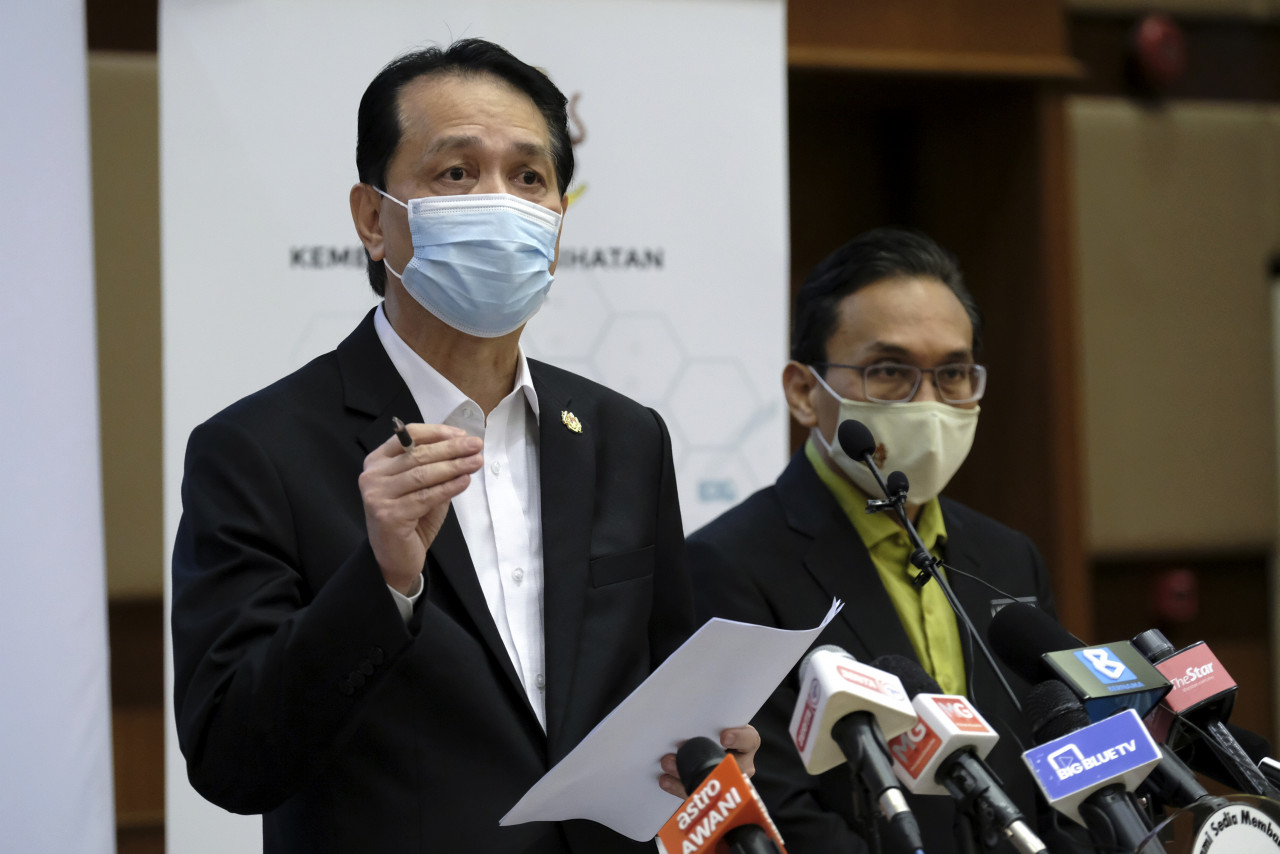
During a press conference on February 16, Dr Noor Hisham stated that cancer patients would be receiving the Covid-19 vaccine during the phase 2 roll-out involving 9.4 million people as they fall under the “vulnerable” group, alongside the elderly and individuals with mobility problems.
NCSM is in full support of this decision and lauds the government for its consideration in including cancer patients within this group to be vaccinated right after frontliners.
This statement was further clarified by Deputy Health Director-General (research and technical support) Datuk Dr Hishamshah Mohd Ibrahim on February 23 where he said that for cancer patients on active treatment, the recommendation is not to get vaccinated until their treatment is completed, and for those who have completed their treatment within the last three months to receive the vaccine.
Current global evidence and expert recommendations at this time fully support the Health Ministry’s recommendations where individuals on active treatment are not recommended to receive Covid-19 vaccines due to possible interference with ongoing cancer therapy.
There is no data that proves interference at this point of time, but this recommendation is based on current global data and expert advisory. This may, of course, change with subsequent availability of data.
Some experts have recommended vaccinations for those on active treatment, with the exception of individuals living with haematological cancers.
However, there are several challenges here to consider, including the need to examine each cancer patient on an individual basis, as each patient may have different treatment progress, surgical history, and even different types of cancer and comorbidities.
There is also a wide variation in terms of cancer treatment involving different drug regimens and changes between different modalities such as radiotherapy, targeted therapy, and chemotherapy.
Thus, it would be quite difficult to put out a blanket offer of vaccines for everyone on active treatment via inclusion into the national vaccination programme together with anyone else.
Rather, expert consensus here is to ask oncologists or treating physicians to assess each patient individually, weigh the risks and benefits of receiving the vaccine, and vaccinate that individual as part of their cancer management process as and when required.
This would be the best approach and is what the Health Ministry is working to organise, even if this has not been made as explicit as some would like.
Thus with the exception of the second group as defined above, NCSM strongly recommends vaccination for all other people living with cancer. For people living with cancer on active treatment, be it chemotherapy, radiotherapy, or other forms of therapy – individual assessments should be made and a decision reached together with the person and their treating provider. With the current data available, this is the best recommendation that we can offer.
We at NCSM have thus far been on the forefront, educating patients and caregivers on the benefits and importance of vaccinating against Covid-19, removing some of the stigma against the vaccine among the public.
NCSM pledges to continue working together with the government via outreach programmes and other avenues to get all people living with cancer to appropriately get vaccinated with government approved, Covid-19 vaccines. – The Vibes, February 25, 2021
This is issued by Datuk Dr Saunthari Somasundaram, Dr Murallitharan M., Mandy Thoo, Niranjni Jayabalan, Mahirah Ma’som, and Subashini Rajendran on behalf of NCSM