

I CHANCED upon a church friend yesterday while walking towards a pharmacy in town. We have not seen each other for many months following the closure of churches due to the Covid-19 pandemic.
This friend of mine has a younger sister, who is a nurse at Miri Hospital. Our greetings eventually turned into a conversation on the coronavirus, no surprise.
I asked her how her sister is coping, what with the surging number of Covid-19 patients and fatalities at the hospital.
My friend sounded sad when she described the anguish and fear that her mother and she herself feel every day when her sister leaves home for the hospital.
“We are so afraid for her, we cry and pray for her every day. We pray she will not get infected… she is my only sister,” said my friend as tears welled up in her eyes.
She told me her sister often breaks down at home when recalling heartbreaking appeals from Covid-19 patients about to be wheeled into the intensive care unit.
The patients always beg the doctors and nurses to allow them to talk to their children, parents, spouses. The answer is always the same... it cannot be allowed. It is so sad.”
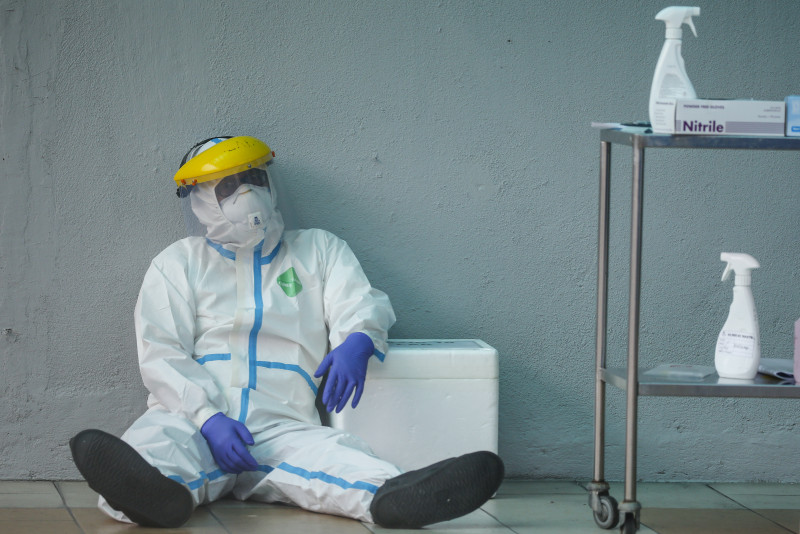
I can imagine the heartbreak that doctors and nurses in Covid-19 wards have to endure each day, seeing the pain and suffering and emotional anguish of patients in the advanced stages of the disease.
I can understand the anxiety and fear felt by the families of our medical frontliners, too.
I have heard many sad stories in recent weeks of nurses getting seriously infected with the coronavirus in the course of attending to patients. Several died after contracting the virus.
These nurses have parents, siblings, or children and families of their own. Many of the medical and health frontliners at Sarawak hospitals have been working around the clock for the past year, dealing with the pandemic.
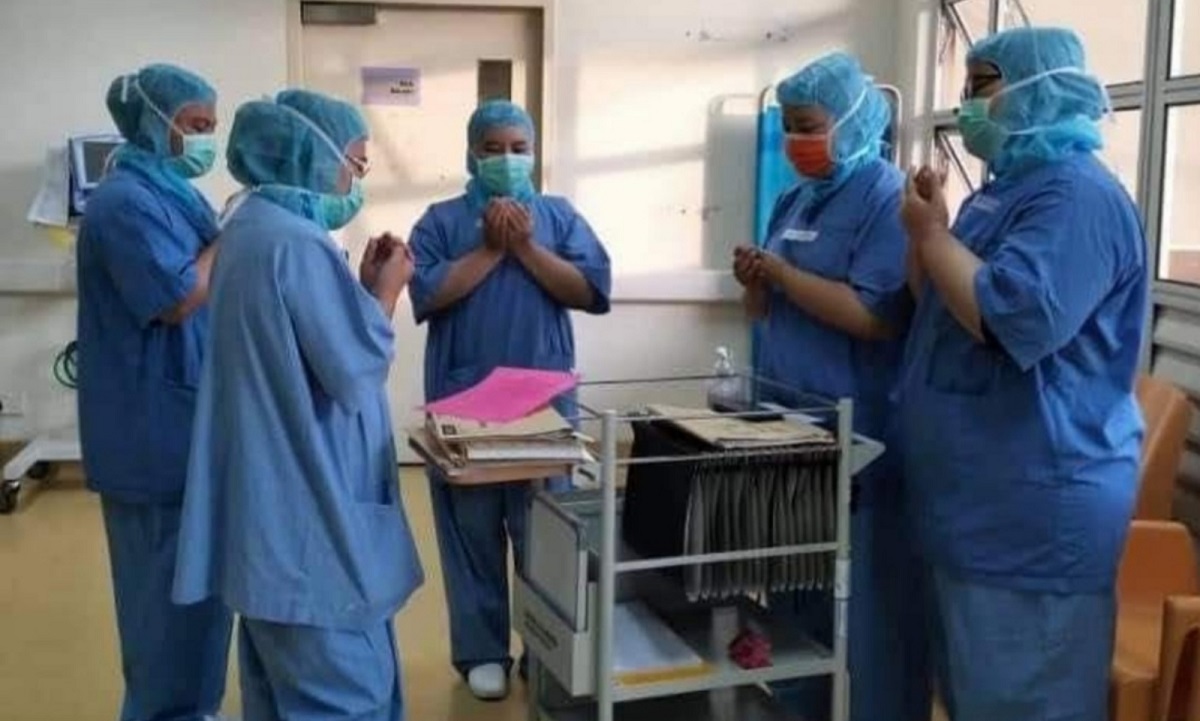
State Housing and Local Government Minister Datuk Dr Sim Kui Hian recently shared on Facebook several touching photos of nurses and medics praying before starting their duties in the Covid-19 ward.
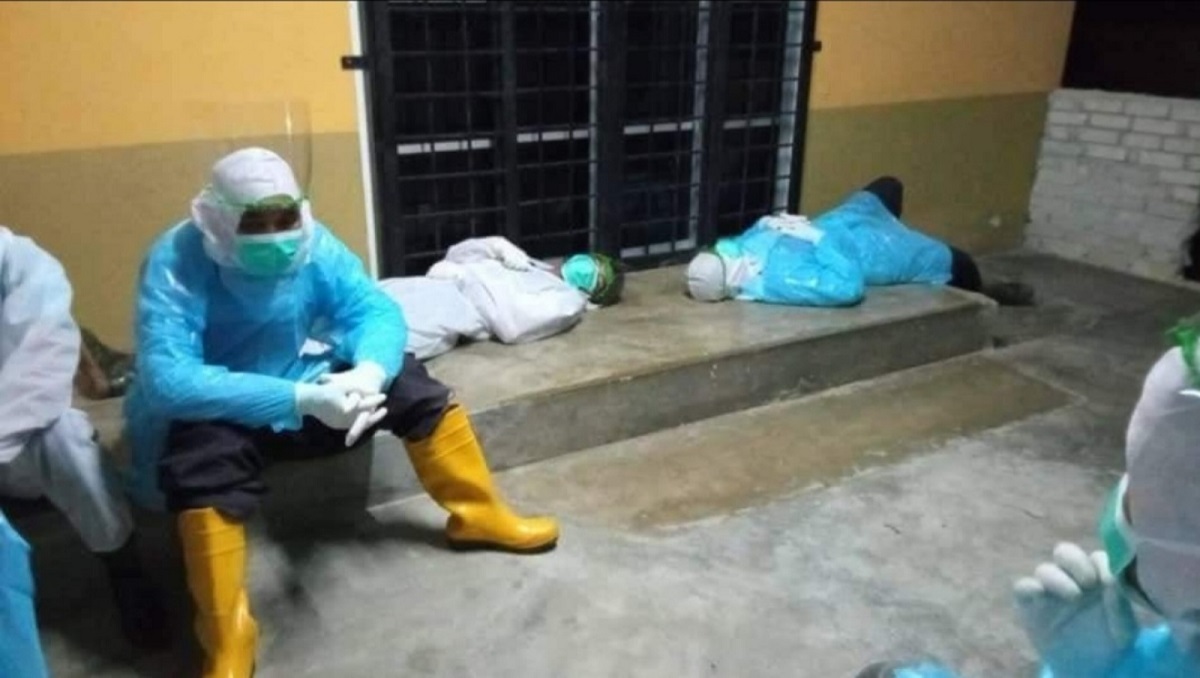
There is a photo of a group of exhausted-looking medics sitting and lying down on the steps near a door. They look physically and emotionally drained.
I have also heard very sad details from people who encountered the family members of Covid-19 victims. One particularly sad case brought tears to my eyes.
A 36-year-old single mother of two who worked at a coffeeshop in Miri city died of the virus more than a month ago.
Her children, aged 4 and 5, are crying for their mum day and night since her passing. These little ones are being cared for by their maternal grandparents, as their father had divorced their mother last year and left the family.
An uncle told me that the family do not know how to tell the two young kids that their mum is never coming home again.
We can only tell them that their mummy has gone to work and cannot come home yet. We don’t know how to tell these two little ones that they will never see their mummy again.”
It’s heartbreaking to hear such tragic stories. I recently watched a video of a young woman hospitalised for Covid-19, with tubes in her nose and mouth.
She begged a nurse to help her record a message for her children, telling them that she loves them very much. I was told that she was one of those who died in the past week, not long after recording the video.
These stories of anguish, pain, suffering and death have become a daily affair in Miri, Sarawak and many other parts of the country. It doesn’t look like there will be any good news soon, as infections and fatalities are surging without any sign of relenting.
Sarawak politicians and policymakers in the state Disaster Management Committee must get their act together in addressing the pandemic.
Stop making blunders on key policies, such as mandatory quarantine, travel ban, crowd control, and movement restrictions between districts. They must not ease up on the enhanced standard operating procedures, and enforcement must be strict.
Issue the maximum fines to SOP violators, especially those who refuse to wear masks and defy the ban on public gatherings. Our politicians and enforcement agencies have been too weak when it comes to enforcing the SOPs.
Another crucial thing that needs to be given priority urgently is the setting up of psychological support programmes for family members of Covid-19 victims.
This is seriously lacking in Sarawak. Counselling experts, psychologists, religious groups, women’s organisations, and welfare and charity bodies should look into this and start such programmes.
The elected representatives in all 82 state constituencies in Sarawak’s 40 districts should take proactive steps to provide emotional – and also material – support for families grieving the loss of their loved ones.
We ordinary citizens must play our part, too. If we know of any of these grieving folk, call them and comfort them, or visit them to give food aid if needed and if it is safe to do so, bearing in mind we must observe all SOPs without compromise.
We must also pray to God for protection and strength as we face these very difficult times. In the midst of all the suffering, anxiety and heartbreak we are encountering daily, we must turn towards God in prayer and hope. – The Vibes, May 9, 2021
Stephen Then is a reporter at The Vibes. He is based in Miri