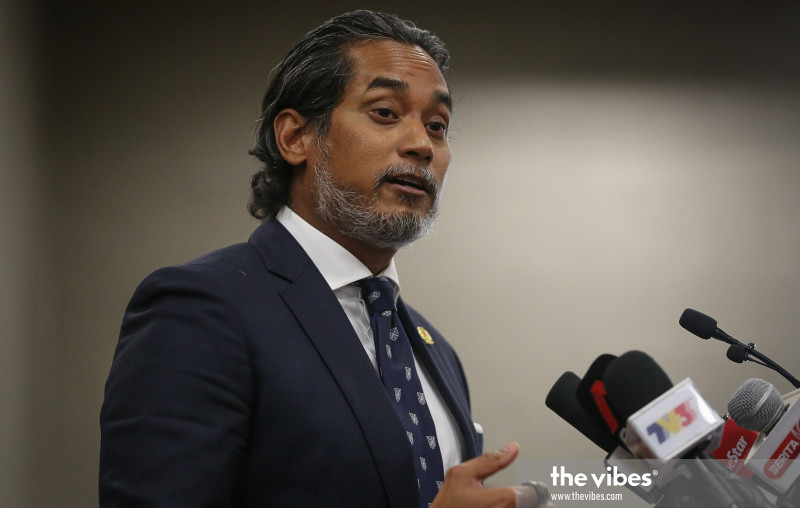
A FEW weeks ago, Khairy Jamaluddin was appointed as the health minister. Previously, he had helmed the Science, Technology and Innovation Ministry, and was responsible for the Covid-19 vaccine roll-out nationally.
That rollout has now quickly become very effective, and throughout the entire implementation period Khairy was often seen at several of the vaccination centres (PPVs) ensuring that he was at the front row of what was happening. There were times that disgruntled members of the public had vented on him, and you may find some of the incidents on social media where he stood, listened and even apologised where required.
This may not be a big deal to some, but we have to ask ourselves when was the last time a cabinet minister actually admitted his team could have done better and worked towards improvement.
It’s important that I point out now that in the nine years that I’ve been a WHO-trained patient advocate in Malaysia, I’ve had the experience of meeting and dealing with many top officials in both private and public healthcare here, and the best leaders have been from a non-medical background.
Many of these leaders that I’ve worked with, both locally and globally, have shown that their effectiveness as leaders comes from more than knowledge, but the ability to learn, adapt and engage others to create and develop improvement.
We have seen from sports that not all top-level athletes can manage successfully, and this is only too clear in healthcare when more than often only fellow clinicians are managing organisations. Unfortunately, as highly skilled these individuals are, leadership and management may not be their strengths.
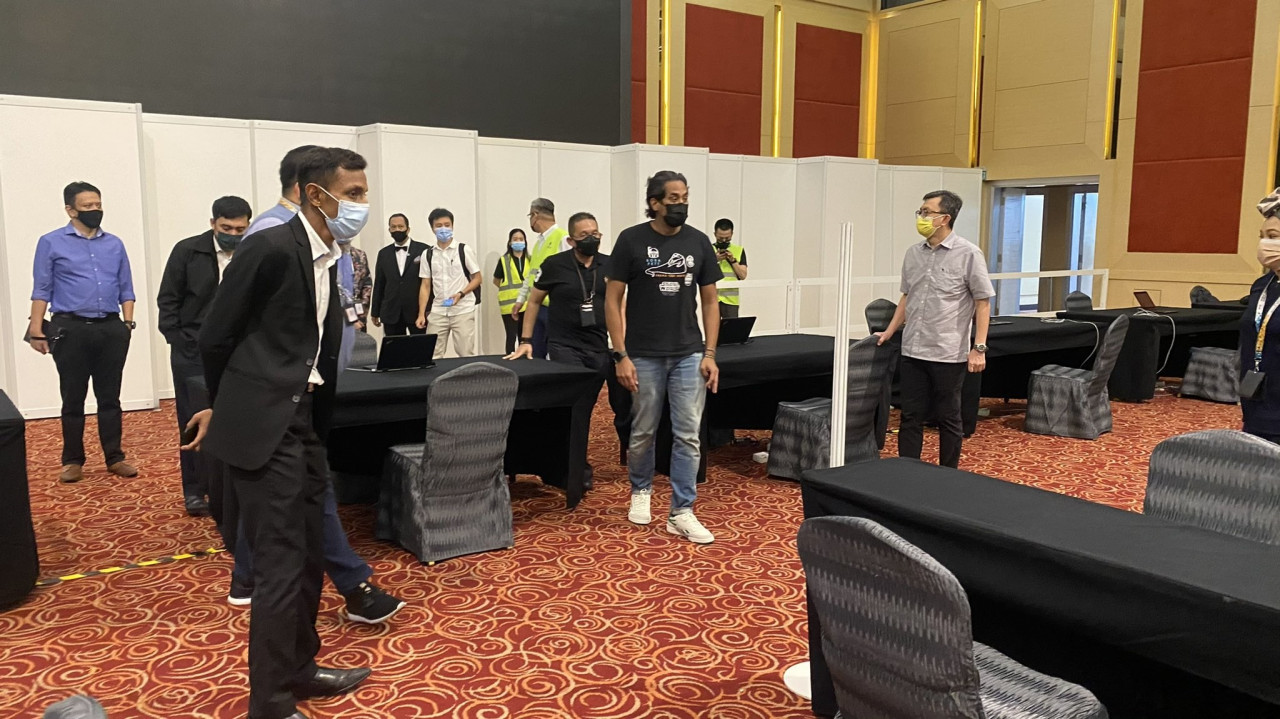
Hence, it’s a breath of fresh air to see a non-medical health minister take the hot seat to move us forward.
So here are five reasons that Khairy may succeed and achieve more than his predecessors:
1. He surrounds himself with subject matter experts from various backgrounds.
We have seen from his past ministerial posts how he always has managed to create and address issues with innovative ideas. Many of these have come from the circle of experts that he consults with. Case in point now is how quickly the Health Ministry (MoH) now has a credible website built in record time by young tech experts. Obviously, all this data was available, but no one thought that the rakyat should have access to it.
2. He values communication.
From his press conferences to all his social media, he is easily the best communicator from the current crop of ministers. He is quite engaging, and you find his ability to answer questions and get to the crux of matters an asset. He has grown into his role in front of the press and public, and this ability gives us confidence. The chances of a gaffe from him are minimal as well.
3. He always leaves a legacy of change.
Khairy has constantly improved his performance in public service while leaving an indelible mark in the ministries he has led. From the MyTeam programme to Fit Malaysia and the recent vaccine roll-out; he has led change and we as patients can only hope that our long-awaited computerisation of healthcare in Malaysia finally happens. For a developing country we seem to lag behind others in the inability to agree on a system to implement. With this pandemic, we have found lack of data and analysis leading to more disadvantages.
4. Other healthcare professionals are not his colleagues.
There has always been the suspicion that most complaints from patients and public are being processed and adjudicated by healthcare professionals within the system. Often, patients are allowed into organisations but as mere tokens, to be given a seat at the table and expected to just “go with the flow”. Change has been slow and tedious especially when compared to other countries. Khairy is an outsider and, as we have seen in the past few weeks, can change things for the good of the public.
5. An impressive record of getting things done
Above all, he has managed to deliver in whatever role he has helmed. A very disciplined system and process person, he seems to thrive in delivering when others have been wanting.
Managing healthcare is about looking for bright spots, building on them and creating synergies to share those successes. More often than now, those in it now seem to be bogged down with archaic systems and thought processes to effect change.
With a world population of 7.9 billion people, healthcare has only 59 million registered working in the industry. These numbers itself show it is a monumental task to deliver healthcare in both a healthy and care setting without engaging and understanding the needs of many. As a patient advocate, I’m hopeful that Khairy will open the doors to more discussion and strategies to move our healthcare system forward by effectively integrating experts from outside it.
There is a famous Portuguese quote that says, “They who only know about medicine, don’t know anything about medicine.” As part of the billions who need healthcare, we hope that change will happen sooner than later. – The Vibes, September 21, 2021
Manvir Victor is chairman of Patient for Patients Safety Malaysia and participates regularly in engaging and empowering patients to ensure safer care globally. He wishes to share that World Patient Safety Day is celebrated every September 17 with many global events showcasing patient involvement.



.jpeg)