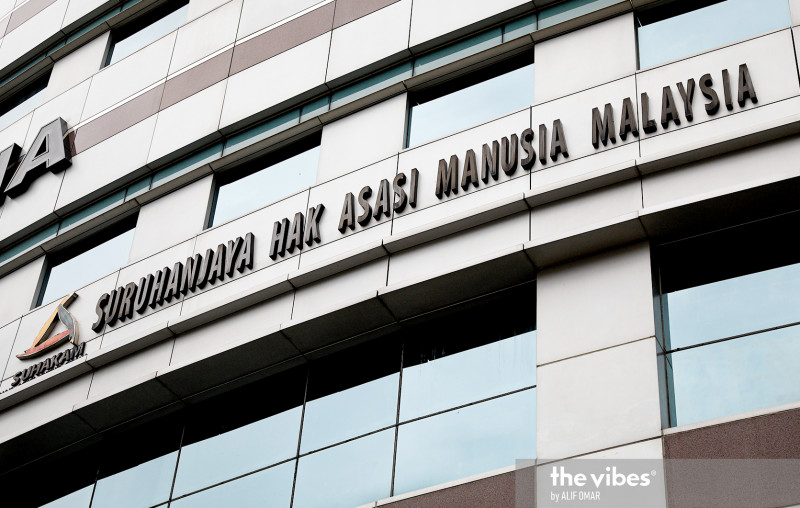
THE Human Rights Commission of Malaysia (Suhakam) is concerned about the longstanding forced labour issue in Malaysia that has been widely reported in local and foreign media.
Forced labour is a serious human rights violation and infringes the legal guarantee provided by Article 6 of the federal constitution of Malaysia, which prohibits all forms of slavery and forced labour.
In addition, such practices contravene the Anti-Trafficking in Persons and Anti-Smuggling of Migrants Act 2007 that criminalises forced labour, which is a form of exploitation of human beings.
The issuance of numerous withhold release orders by the United States Customs and Border Protection to Malaysian companies over alleged forced labour practices signal the urgent need for Malaysia to immediately put in place effective measures to circumvent and remedy forced labour practices that are occurring in Malaysia or involve Malaysian companies.
Suhakam commends the launching of Malaysia’s first-ever National Action Plan on Forced Labour (NAPFL) 2021-2025 in 2021 to address and eradicate compulsory labour.
The standards set forth by the International Labour Organisation Protocol of 2014 to the Forced Labour Convention 1930, which Malaysia has agreed to ratify, should anchor the NAPFL.
In addition, Suhakam urges for tangible outcomes, including law reform, and effective remedies to be in place at the earliest possible time. Suhakam looks forward to the NAPFL to critically address, among other things, more stringent requirements for companies to implement effective due diligence procedures and grievance mechanisms, particularly in their employment practices.
Notwithstanding the legal provisions to be enforced by the government, private companies have a responsibility to comply with national labour laws and international labour standards to ensure human rights compliance throughout their entire supply chain framework and must immediately take the lead in demonstrating that they can stand up to comply with international human rights and labour standards.
These should address the various sectors including the medical supplies industry, agricultural (including plantations), construction and manufacturing sectors.
Suhakam reiterates its call on the government to ensure transparency by making public the full report of the Special Independent Committee on Foreign Worker Management.
Notwithstanding this, Suhakam urges the government to expedite the implementation of the committee’s recommendations, which considered issues of unethical, unhealthy, and unfair practices in the recruitment of foreign workers, including the need to make worker recruitment transparent by introducing an end-to-end online system for hiring.
For long-term measures to be successful, the government is encouraged to have more meaningful consultations with the relevant stakeholders, including non-governmental organisations.
Suhakam also calls on the government to expedite the development of Malaysia’s National Action Plan on Business and Human Rights (NAPBHR) that will establish responsibility on the part of business entities to respect human rights that not only deals with labour issues but also impresses on the accountability of business practises to people and the planet.
The NAPBHR should be strictly guided by the UN Guiding Principles on Business and Human Rights. – The Vibes, February 19, 2022
Suhakam is an independent organisation dedicated to investigating complaints of human rights violations