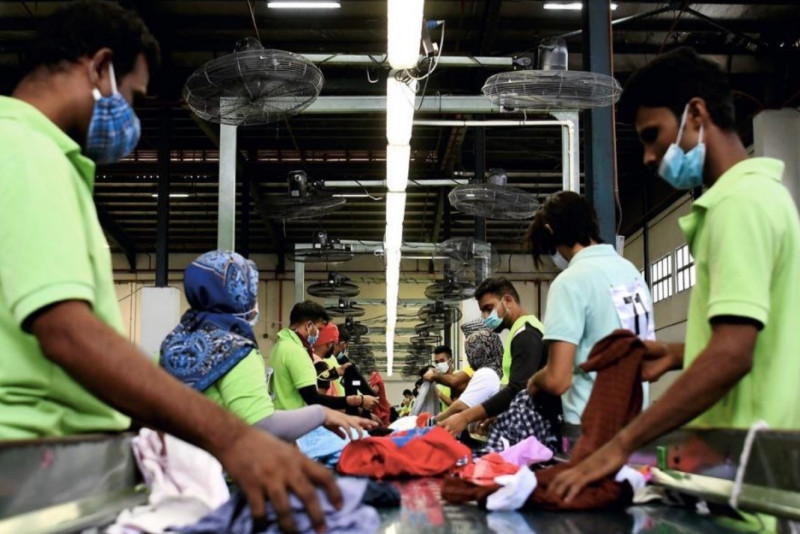
IT was on May 20, 1972 that the then deputy prime minister Tun Dr Ismail Abdul Rahman declared that Labour Day on May 1 shall be a public holiday for the working class to celebrate their contributions towards nation-building.
I don’t wish to delve into the historical past of how this “auspicious” Labour Day – also known as May Day – came into existence. The internet has enough information on its history.
But I would like to take this opportunity to venture into the Labour Day events and celebrations in Malaysia.
The origins of Labour Day as a holiday in Malaysia can be traced to the struggles and sacrifices of the Malaysian Trades Union Congress (MTUC), Cuepacs, and the affiliated unions under their respective national umbrella trade union centres to secure Labour Day as a public holiday.
It was a long and tedious struggle. Public rallies and demonstrations, meetings with government leaders of that time, and persistent campaigns won the day for the working class.
As usual, employers’ organisations like MEF, Mapa, and MCBA, to name a few, worked in cahoots with the Barisan Nasional government to oppose the demands of unions to declare May 1 as a Labour Day public holiday.
On securing the public holiday, workers were quick to hail and sing songs of praises of the government. Unfortunately, they forgot that it was through the tedious and hard struggles of trade unions and its leaders that the Labour Day public holiday was won.
The sacrifices and struggles of the trade union movement were swiftly forgotten. Workers, as usual, became victims of massive government propaganda and publicity on this key matter.
Need to mobilise for justice and rights
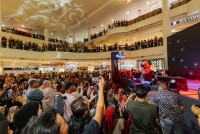
This day is a universal day for labour struggle and sacrifices. On this day, workers of all walks of life will mobilise and gather in public for various reasons.
Some treat it like a carnival, while others treat it as a day to remember the contributions, struggles, and sacrifices of labour and trade unions in nation-building, economy, socio-economic and socio-political struggle and development.
In some countries, massive noisy public demonstrations are held to drive home the message on labour demands.
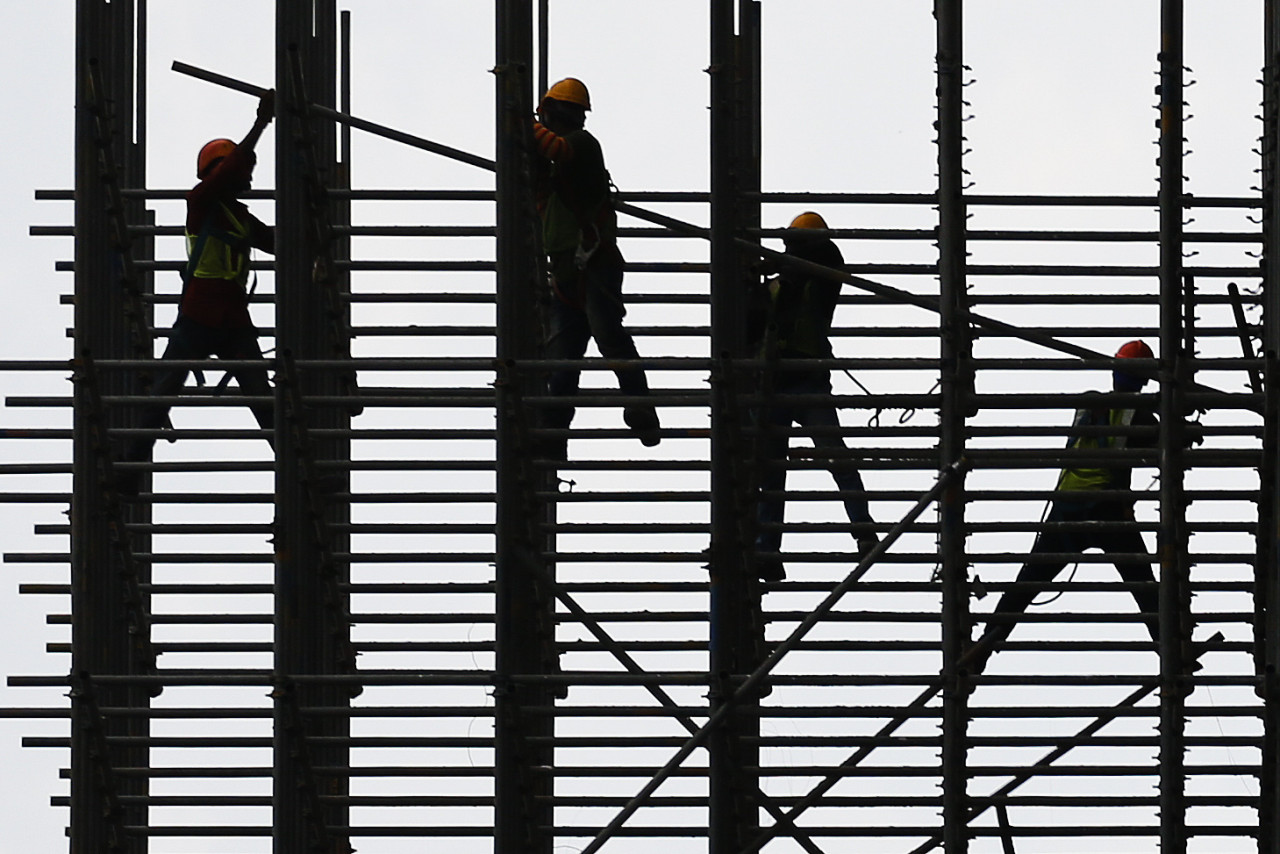
In Malaysia, Labour Day is generally treated as a public holiday for workers to stay at home, enjoy the day with their families, and have leisure and recreation.
But the Labour Day public holiday is held for workers to stand united and in solidarity for the cause of labour to fight for social justice, workers and trade union rights, freedom of association and liberty, and socio-economic and socio-political rights.
Workers should mobilise on the streets and in public places to peacefully march for their legitimate rights.
It’s a struggle for better-paid jobs, job security and safe working environments, gender equality, the fight against child labour, justice for migrant workers, and the overall improvement of livelihoods, social justice, and workers and trade union rights.
But tragically, most Malaysian workers are blind to these fundamental aspects of why Labour Day was declared as a public holiday and treat it as a day for leisure and recreation.
Decline of union movement in Malaysia
Why is the Malaysian trade union movement weak, fragmented, and vulnerable?
Chief among the various reasons is the low unionisation rate in Malaysia. The union density in Malaysia is among the lowest in the world.
With about a 6% unionisation rate, workers are poorly represented. To complicate matters, the 6% unionised workers are represented by a highly fragmented and divided trade union movement.
It was reported that there are about 591 unions representing about 800,000 unionised workers.
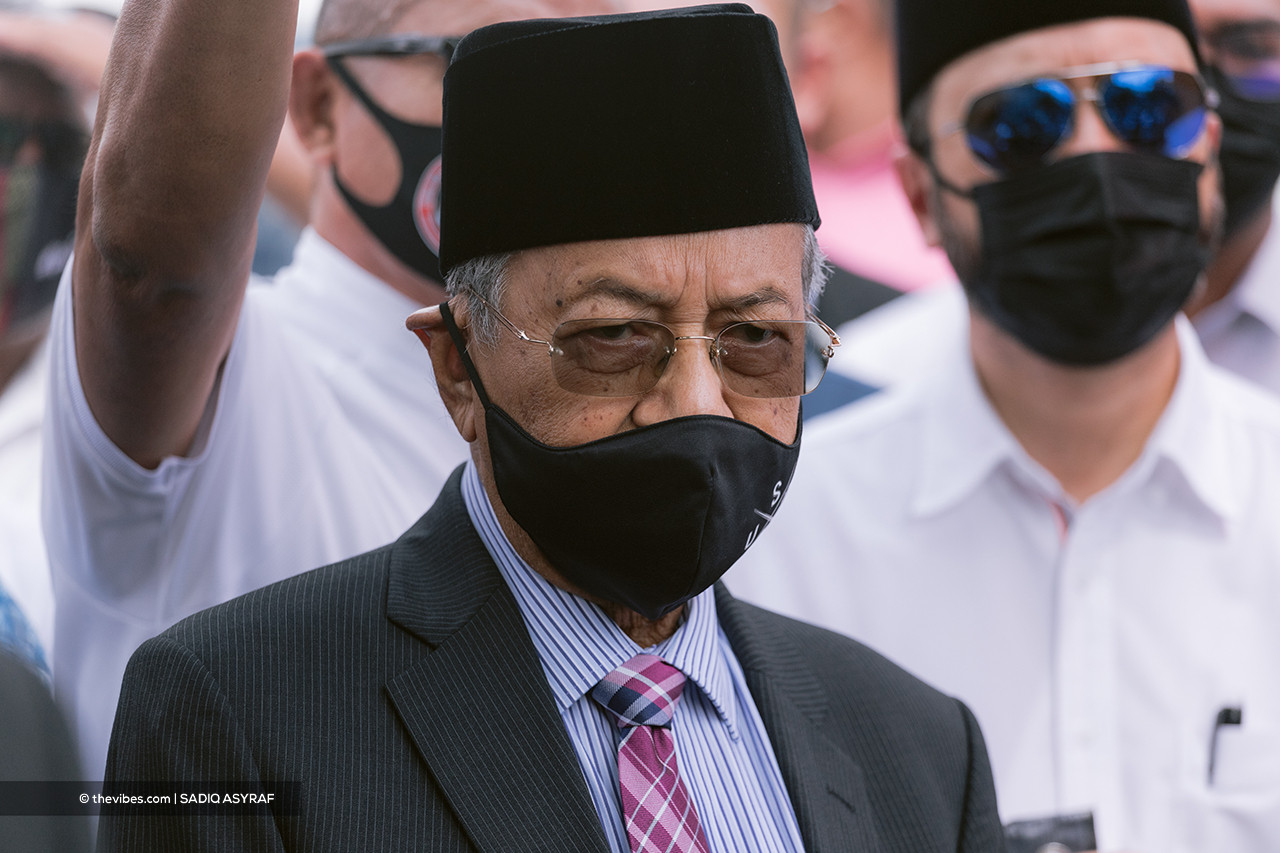
Trade union membership has been rapidly declining since Tun Dr Mahathir Mohamad’s first stint as prime minister of Malaysia.
In the 22 years of his premiership, he destroyed the very fabric of the trade union movement. He introduced the “Look East Policy” and aped the Japanese industrial relations system. He practically “Japanised” the Malaysian industrial relations system.
He spearheaded the proliferation of company-based “in-house unions” through abrasive changes to labour laws.
Dr Mahathir brazenly used the draconian colonial-era labour laws, Registrar of Trade Unions, Special Branch, Internal Security Act, and his political stooges and henchmen in the government to threaten, intimidate, harass, coerce, blackmail, and even charge unionists on trumped-up frivolous charges in the courts.
It was Dr Mahathir who destroyed the once-strong Malaysian labour movement that produced world-class trade unionists and was the engine of labour struggle.
Poor union leadership
It is from the above stipulated tragic situation that the Malaysian trade union movement is struggling to rise.
Unfortunately, as it stands today, the Malaysian trade union movement is highly fragmented, divided, weak and vulnerable. Infighting, factions, racial polarisation is the rot that has taken hold of the labour movement led by MTUC.
There is a gigantic leadership vacuum in the movement, be it at the national centres or affiliated unions. The rot has become a malignant cancer and appears incurable.
I would argue that the trade union leadership is at fault for not inculcating values and struggle of labour to their membership. The trade union movement is the catalyst of social justice, socio-economic and socio-political development.
Have union leaders imparted this cardinal knowledge to their rank and files? Shockingly, the answer is a definite “no”. It was the lackadaisical and selfish attitude of union leaders that impeded the struggle of labour in Malaysia. This led to the general weakening of the Malaysian labour movement.
What’s more, a pro-capital and pro-employer government in power is a double whammy against the working class.
Mother of trade unionism is socialism
For the Malaysian trade union to revive and strengthen, there should be serious soul-searching among unionists.
They should realise why the Malaysian labour movement is weak, fragmented and vulnerable. They should think out of the box to re-engineer and rebuild the Malaysian labour movement.
They should fight for labour law reform and the abolishment of all irrelevant draconian colonial-era labour laws that curtail and impede trade union growth.
They should fight to curtail the arbitrary powers of the Registrar of Trade Unions, which is often abused against workers and unions.
Above all, the Malaysian labour movement should transform itself into a social class trade union movement. Bear in mind that the mother of trade unionism is socialism.
Trade unions have been synonymous with social class struggle since inception decades ago. The fear of militancy in such labour movements should not be an impediment, as it is part and parcel of the trade union struggle. It is an accepted norm that detractors who oppose trade union freedom will continue to do so, irrespective of what “colour” the union bears.
So in conclusion, I wish to state that irrespective of the historical past and the present status of unions in Malaysia, hope shall never be lost.
Have hope and faith to revive the trade union movement. Face the challenges and struggles gallantly. Use the available tools and resources to reach the millions of unorganised workers who may be in dire need of trade union protection.
Only genuine social movement trade unionism can be the true catalyst of social and economic changes for the working class. The social and economic status of citizens symbolise a nation’s development.
Long live the struggle of labour. Happy Labour Day. – The Vibes, May 1, 2022
P. Arunasalam is a former deputy secretary-general of the Malaysia Trades Union Congress and regional representative of the International Metalworkers Federation