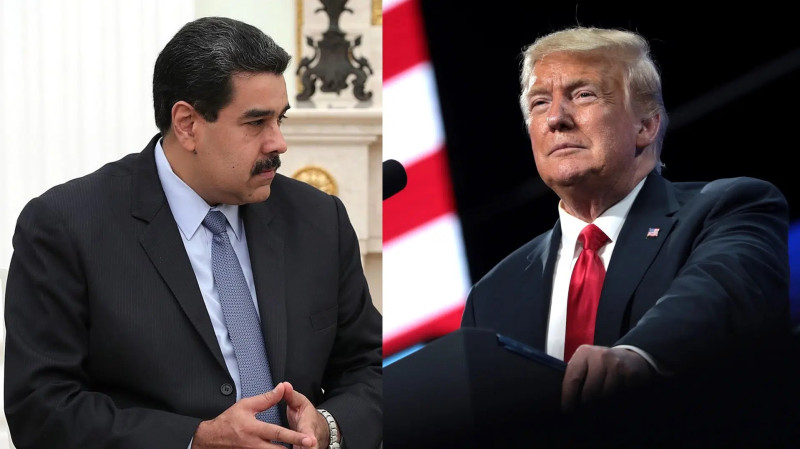
NICOLAS Maduro appeared in a New York federal court on Monday, shackled and wearing prison clothing, to plead not guilty to US narcotics charges days after American special forces seized him in Caracas, an operation that has jolted international diplomacy and triggered a hurried political reshuffle in Venezuela.
Speaking through an interpreter before being cut short by the judge, the 63-year-old said: “I am innocent. I am not guilty. I am a decent man. I am still president of my country.” His wife, Cilia Flores, also entered a not-guilty plea. The next court date was set for March 17.
Reuters reported today that the brief arraignment at the Daniel Patrick Moynihan United States Courthouse followed the couple’s transfer by helicopter from a Brooklyn detention centre under armed guard. Judge Alvin Hellerstein confirmed their identities, outlined the charges and advised them of their right to notify the Venezuelan consulate.
Outside the courthouse, dozens of demonstrators gathered, some denouncing the former president and others protesting his arrest.
Within hours, Caracas moved to fill the vacuum. Vice-president Delcy Rodríguez was sworn in as interim president, offering solidarity with Maduro while signalling no immediate challenge to Washington’s actions.
“I come with pain in my heart over the kidnapping of two heroes who are being held hostage,” she said, pledging to steer the country through “these terrible times.”
US prosecutors accuse Maduro of overseeing a cocaine-trafficking network that worked with Mexico’s Sinaloa and Zetas cartels, Colombia’s FARC rebels and Venezuela’s Tren de Aragua gang.
He faces four counts, including narco-terrorism, conspiracy to import cocaine and possession of machine guns and destructive devices.
Prosecutors allege his involvement dates back to his time in the National Assembly in 2000, through his tenure as foreign minister and his 2013 election as successor to Hugo Chávez.
Maduro has long rejected the accusations, casting them as a pretext for foreign designs on Venezuela’s oil wealth.
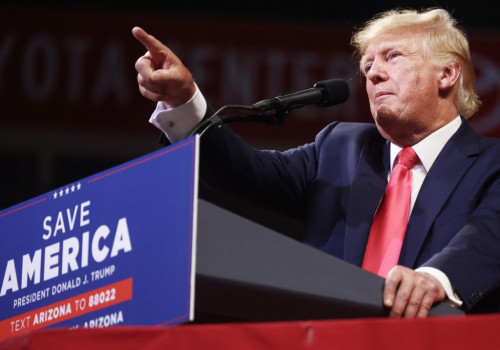
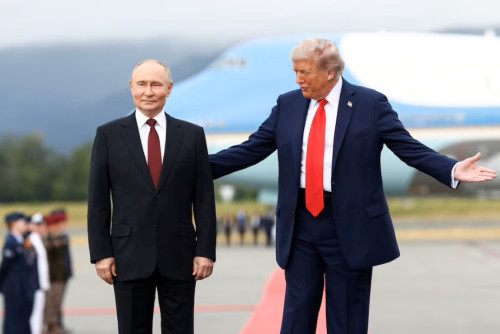
Those claims were sharpened by comments from President Donald Trump, who has openly expressed interest in reopening the country’s energy sector to US firms. “We’re taking back what they stole,” Trump said aboard Air Force One. “We’re in charge.”
Shares in US oil companies rose on Monday on speculation about access to Venezuela’s vast reserves, though industry executives said the administration had not consulted major firms such as Exxon Mobil, ConocoPhillips or Chevron before or after the operation.
Trump warned of further strikes if Caracas failed to cooperate on oil and drugs.
Venezuela holds about 303 billion barrels of crude, the world’s largest reserves, but years of mismanagement, underinvestment and sanctions have cut output to about 1.1 million barrels a day last year, roughly a third of 1970s levels.
Maduro’s lawyer, Barry Pollack, said the defence expected “voluminous and complex litigation” over what he described as a “military abduction”, adding that his client was not currently seeking release but might do so later. Flores’s lawyer, Mark Donnelly, told the court she had suffered significant injuries, including severe bruising to her ribs, and requested X-rays and a full medical evaluation.
In Venezuela, an emergency order authorised police to search for and detain anyone accused of supporting the US operation. Senior officials from the long-ruling government remain in place, oscillating between defiance and tentative engagement with Washington.
Jorge Rodríguez, the interim president’s brother, was reappointed head of the pro-government National Assembly and vowed “to use all procedures, forums and spaces” to secure Maduro’s return.
At the United Nations, Russia, China and left-leaning allies condemned the raid, while Secretary-General António Guterres voiced concern about instability and the legality of the action, described as the most dramatic US intervention in Latin America since the 1989 invasion of Panama.
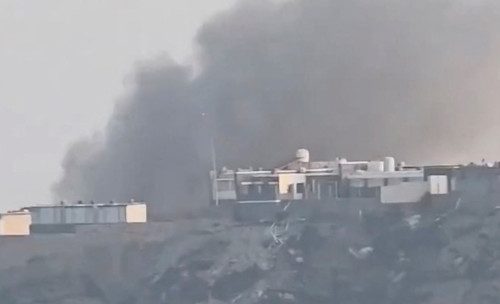
US special forces had flown into Caracas by helicopter on Saturday, breached Maduro’s security and removed him from a safe room.
Washington’s allies, many of whom had refused to recognise Maduro after the disputed 2018 election, reacted cautiously, stressing dialogue and adherence to law.
At home, the operation has stirred political controversy. Democrats said they were misled, and Secretary of State Marco Rubio was due to brief lawmakers.
A Reuters/Ipsos poll completed on Monday found that one in three Americans approved of the strike, while 72 per cent worried the United States would become too deeply involved in Venezuela.
Despite some conservative criticism that the move contradicted an “America First” aversion to foreign entanglements, most of Trump’s supporters hailed it as a swift victory. - January 6, 2025