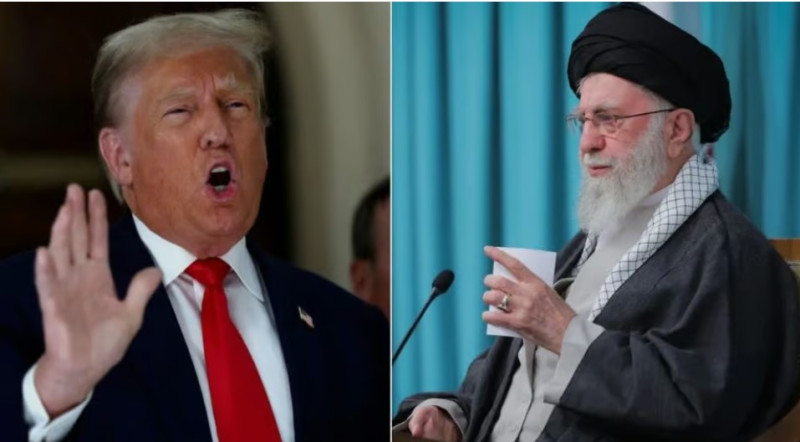
U.S. officials have revealed that the military is preparing for the possibility of extended, weeks-long operations against Iran, should President Donald Trump decide to escalate tensions with Tehran. This disclosure, made by two anonymous sources, underscores the gravity of the situation as diplomatic efforts continue to unfold.
Reuters reported on Sunday that U.S. envoys Steve Witkoff and Jared Kushner are set to meet with Iranian representatives in Geneva on Tuesday, with mediation assistance from Oman.
However, concerns over military action continue to loom large, as Trump has already amassed substantial military forces in the region, further raising fears of an impending conflict.
On Saturday, US Secretary of State Marco Rubio acknowledged that, while Trump remains open to reaching a diplomatic deal with Iran, such negotiations are “very hard to do.”
The President has been vocal about his preference for a deal but has also made it clear that military action remains an option.
“President Trump has all options on the table with regard to Iran,” said White House spokesperson Anna Kelly. “
“He listens to a variety of perspectives on any given issue, but makes the final decision based on what is best for our country and national security.”
The US military has already strengthened its presence in the region, sending an additional aircraft carrier along with thousands of troops, fighter jets, and guided-missile destroyers.
Trump, speaking at a military event in North Carolina, suggested that toppling the Iranian government might be the best solution.
While he did not specify who should take over, Trump remarked, “For 47 years, they've been talking and talking and talking.”
In a departure from his usual caution about sending ground troops, Trump has voiced support for aerial and naval strikes.
This follows his previous stance on avoiding ground forces. However, he has shown an increased willingness to use special operations forces, as demonstrated by the US operation in Venezuela to target President Nicolás Maduro last month.
While the Pentagon has declined to comment on the preparations for a sustained operation, the planning process has been described as more complex than past US military engagements with Iran.
This time, the US military may target not just Iran’s nuclear facilities but also its state and security infrastructures, according to one official.
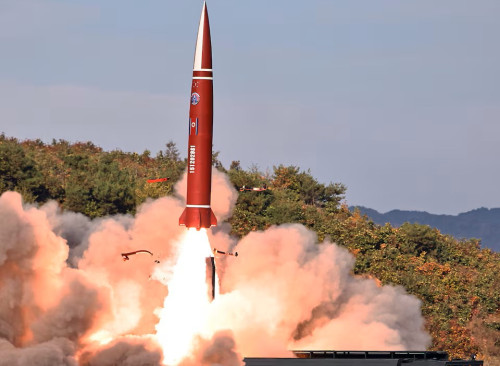
However, the risks associated with such a campaign are high, as Iran possesses a robust missile arsenal capable of retaliating.
The White House and Pentagon have not addressed the potential for Iranian retaliation or a wider regional conflict. Iran’s Revolutionary Guard has warned that it would strike any US military base in the region if Iran’s territory is targeted.
The US maintains numerous military bases across the Middle East, including in countries like Saudi Arabia, Qatar, Bahrain, and the United Arab Emirates.
Israeli Prime Minister Benjamin Netanyahu recently met with Trump, urging that any agreement with Iran must address vital security concerns for Israel.
While Iran has expressed a willingness to discuss curbing its nuclear program in exchange for the lifting of sanctions, it has rejected any link between the nuclear issue and its missile programs.
In the meantime, Iranian opposition figure Reza Pahlavi, the exiled son of Iran’s last shah, has spoken out in favor of US military intervention.
He believes such action could hasten the collapse of the current Iranian regime. “We are hoping that this attack will expedite the process, and the people can finally return to the streets to bring about the regime’s downfall,” Pahlavi told Reuters in an interview.
As the situation develops, the world watches with heightened concern over the risks of further escalation, with global stability hanging in the balance. - February 15, 2025