THE conflict between the United States and Iran has entered a dangerous new phase after both sides launched large-scale military strikes on Sunday, while Tehran announced it had once again closed the strategically vital Strait of Hormuz following renewed hostilities.
The latest escalation has cast serious doubt over the interim U.S.-Iran agreement signed last month, which sought to reopen the waterway and pave the way for a permanent ceasefire through a further 60 days of negotiations.
The United States said it had launched a fresh round of military operations against Iranian targets, with U.S. Central Command confirming that strikes began at 5 p.m. Eastern Time to further weaken Iran's ability to threaten commercial shipping and civilian vessels transiting the Strait of Hormuz.
According to the U.S. military, more than 300 Iranian military targets have been struck over the past three nights, including 140 targets hit on Saturday alone.
U.S. Central Command spokesperson Tim Hawkins said American forces also intercepted an Iranian cruise missile and a one-way attack drone during the latest exchange.
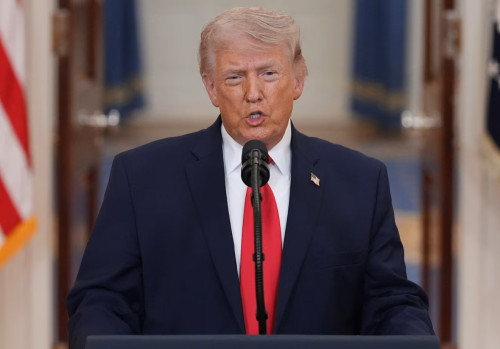
Speaking briefly to Reuters, U.S. President Donald Trump said: "We're beating them up."
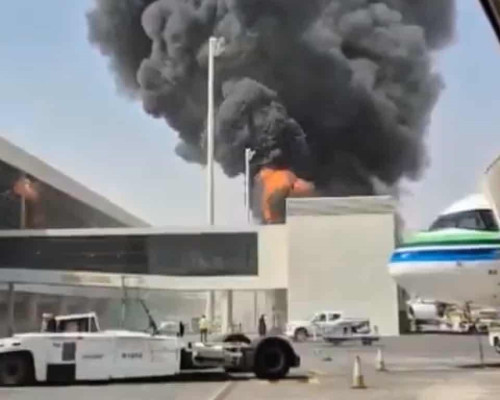
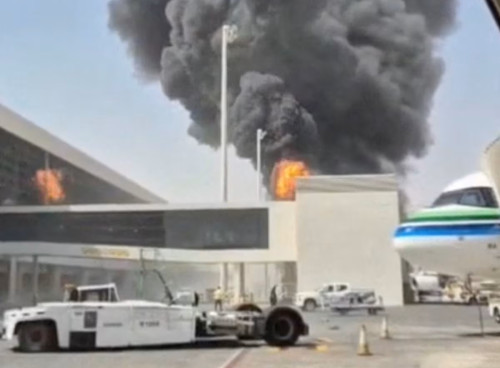
Iran responded by launching missile and drone attacks against multiple Gulf states hosting U.S. military assets, marking one of the widest regional offensives since the conflict began.
Qatar, which has served as a mediator in ceasefire negotiations, came under attack for the first time since April, while the United Arab Emirates said its air defence systems intercepted incoming Iranian missiles and drones. Bahrain, Jordan, Oman and Kuwait also reported Iranian strikes or attempted attacks.
Qatar said three people, including a child, were injured by falling debris and declared Iran "fully legally responsible" for the attack.
Iranian media reported explosions around the strategic port cities of Bandar Abbas and Sirik, as well as Qeshm Island, all of which host significant military installations overlooking the Strait of Hormuz.
Iran's Foreign Ministry condemned what it described as "aggressive" U.S. attacks and blamed Washington for the collapse of talks held in Muscat on Saturday with Omani officials over arrangements to manage maritime traffic through the strait.
Iran's chief negotiator, Mohammad Baqer Qalibaf, reinforced Tehran's position in a message posted on X.
"The era of one-sided deals is OVER. We told you: keep your word or pay the price. Reality is knocking."
The renewed conflict follows the war launched by the United States and Israel against Iran on 28 February, which has destabilised the Gulf region and triggered repeated attacks involving countries hosting U.S. military bases.
Iran has continued efforts to assert control over shipping through the Strait of Hormuz, through which around one-fifth of the world's oil and liquefied natural gas supplies passed before the conflict.
Tehran said it had shut the waterway after firing warning shots at vessels it claimed were travelling without authorisation, adding that a second ship had later been disabled.
India confirmed that one of its nationals remains missing after the container vessel GFS Galaxy was attacked off the coast of Oman, while Omani authorities said 23 crew members had been rescued.
Iran's newly established Persian Gulf Strait Authority said vessel permits would only resume once "stability and calm are restored", insisting navigation through the strait was currently impossible because of what it described as illegal U.S. military activity.
Washington rejected Tehran's claim, insisting that freedom of navigation remained intact despite heightened security risks.
"Iran does not control the strait. Traffic is flowing," the United States said.
The U.S. Navy-led Joint Maritime Information Center advised commercial shipping that, although the security threat remained severe, an expanded southern route near Oman was still available for two-way maritime traffic.
Iran's Revolutionary Guards claimed responsibility for attacks on what they described as U.S. military infrastructure across the region, including command centres, radar installations, drone facilities, logistics platforms and maintenance sites in Jordan, Kuwait, Oman and Qatar.
Meanwhile, Oman lodged a formal diplomatic protest by summoning Iran's ambassador over drone strikes on its territory, while the U.S. Embassy advised American citizens in Duqm and Musandam to shelter in place as tensions continued to escalate. - July 13, 2026