IRANIAN and American diplomats convene in Geneva for nuclear talks widely regarded as a last opportunity for diplomacy, as the United States positions warships and aircraft in the Middle East to exert pressure on Tehran. The discussions follow a bruising conflict last June in which U.S. strikes targeted three Iranian nuclear facilities, and the spectre of regional war looms if negotiations fail.**
AP cited Iranian Foreign Minister Abbas Araghchi warning today of the consequences of renewed hostilities, stating, “There would be no victory for anybody — it would be a devastating war. Since the Americans’ bases are scattered through different places in the region, then unfortunately perhaps the whole region would be engaged and be involved, so it is a very terrible scenario.”
Araghchi arrived in Geneva on Wednesday, meeting with Oman’s Foreign Minister Badr al-Busaidi to review proposals Iran intends to present to the United States, “based on the guiding principles agreed upon in the previous round of negotiations,” according to Oman News Agency.
Al-Busaidi will convey Iran’s offer to U.S. officials on Thursday. Observers noted a thumbs-up from the Omani minister when asked whether he was hopeful for progress.
The Geneva talks mark the third meeting since the June confrontation, with Araghchi again facing U.S. special envoy Steve Witkoff.
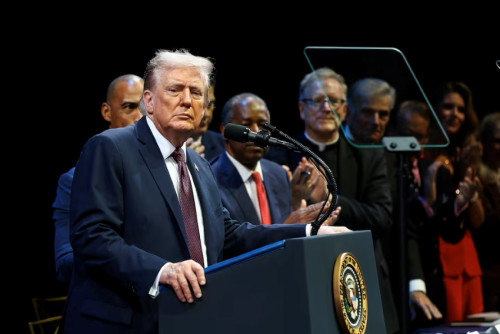
U.S. President Donald Trump seeks a deal to halt Iran’s uranium enrichment and address ballistic missile development and regional proxy activity, while Iran insists the discussions remain strictly limited to nuclear issues.
U.S. Secretary of State Marco Rubio emphasised Tehran’s ongoing intentions, stating that Iran “is always trying to rebuild elements” of its nuclear programme.
Rubio noted that while enrichment has not resumed, Iran is positioning itself “to get to the point where they ultimately can.”
Satellite imagery analysed by The Associated Press suggests ongoing activity at previously struck sites, indicating Tehran may be assessing and recovering nuclear material.
Vice President JD Vance underscored Washington’s position, saying, “The principle’s very simple: Iran cannot have a nuclear weapon.
The president is sending those negotiators to try to address that problem. He wants to address that problem diplomatically. But, of course, the president has other options as well.”
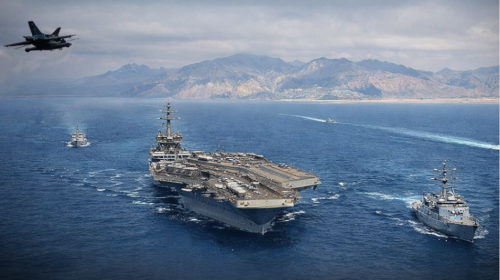
The United States has deployed a naval and aerial presence in the region as a precautionary measure, mirroring previous movements during June 2025, when the U.S. 5th Fleet scattered its ships at sea in response to Iranian attacks.
Analysts warn that any failure of the talks could trigger retaliatory strikes against U.S. bases, Persian Gulf allies, or Israel, raising the spectre of a wider conflict and contributing to recent rises in global oil prices, with Brent crude reaching approximately US$70 a barrel.
The negotiations, mediated by Oman, take place against a backdrop of domestic unrest in Iran and a complex regional security environment.
Observers caution that limited strikes could escalate into a protracted military campaign, with uncertain consequences for the Middle East and the global energy market. - February 26, 2026