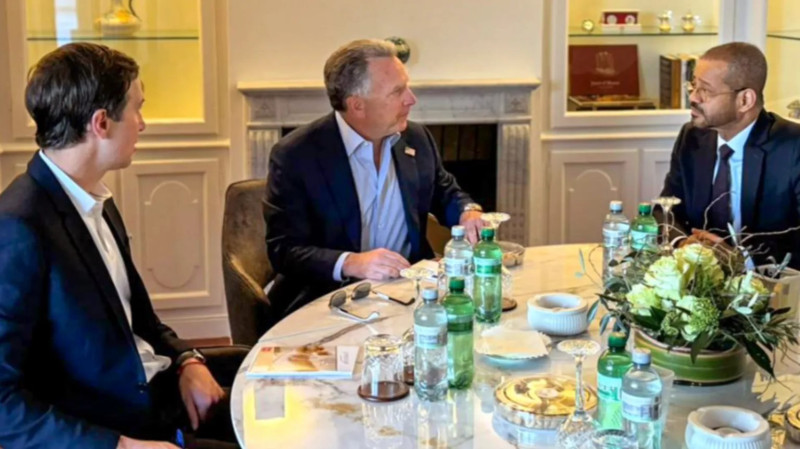
THE United States and Iran made headway in discussions over Tehran’s nuclear programme on Thursday, according to Omani mediators, though the talks concluded without a definitive breakthrough, leaving the region on edge amid a massive US military buildup.
Omani Foreign Minister Sayyid Badr Albusaidi, posting on X after the day’s meetings, said that significant progress had been achieved, with both sides planning to resume negotiations shortly following consultations in their respective capitals.
Technical-level discussions are expected next week in Vienna.
“We have finished the day after significant progress in the negotiation between the United States and Iran,” Reuters cited Badr Albusaidi saying, highlighting that the talks marked some of the most serious direct engagements between the two long-time adversaries.
Iranian Foreign Minister Abbas Araqchi told state television that while agreements had been reached on certain issues, differences remained on others.
“It was decided that the next round of negotiations will take place soon, in less than a week,” he added, emphasising Iran’s insistence on lifting US sanctions, which Washington maintains will only follow substantial concessions from Tehran.
A senior Iranian official said that discussions had produced “creative and positive ideas,” though gaps remain to be narrowed. Meanwhile, the US negotiating team has not issued an immediate statement, though Axios cited a senior US official describing the Geneva talks as “positive.”
The negotiations take place against a backdrop of escalating tensions, with US President Donald Trump threatening action if no agreement is reached. The United States has deployed fighter jets and aircraft carrier strike groups to the region, heightening fears of a broader Middle East conflict.
Trump warned on February 19 that Iran must reach a deal within 10 to 15 days, or face “really bad things.” While asserting a preference for diplomacy, he has emphasised that Tehran must not acquire a nuclear weapon.
Iran, for its part, has signalled willingness to show flexibility. Tehran has offered undefined concessions in exchange for sanction relief and recognition of its right to uranium enrichment. Supreme Leader Ayatollah Ali Khamenei has reiterated a religious decree banning weapons of mass destruction, underlining Tehran’s stance against nuclear armament.
The latest round of indirect talks in Geneva involved Iranian and US envoys, including Steve Witkoff and Jared Kushner. Observers caution that, despite progress, a durable agreement remains elusive, and the next week’s technical discussions will be critical in determining whether diplomacy can avert a potentially devastating confrontation. - February 27, 2026



_leader__Sanae_Takaichi.jpg)