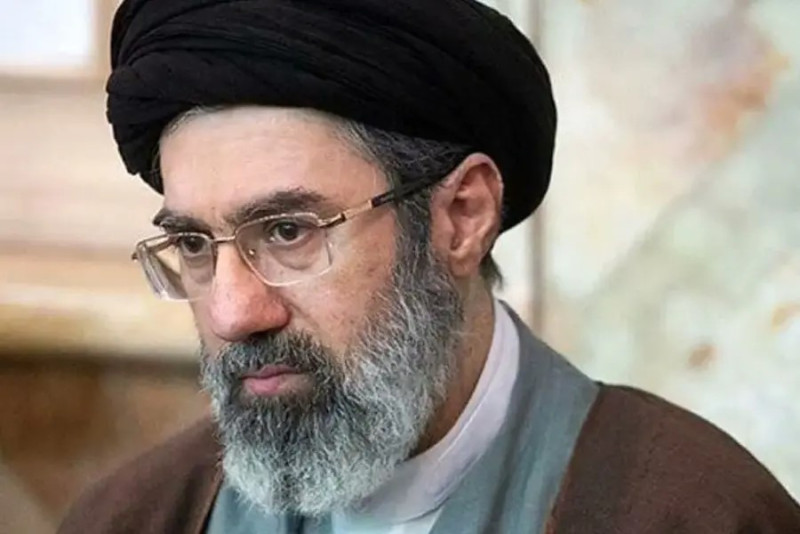
UNCERTAINTY surrounding Iran’s new supreme leader deepened on Friday after Mojtaba Khamenei marked Nowruz with a televised statement read aloud, rather than appearing in person or via video, prompting renewed questions over his health and authority.
Iranians had anticipated a public debut by Khamenei during the Persian New Year celebrations, but instead state television broadcast a written message alongside a still image of the leader and the national flag.
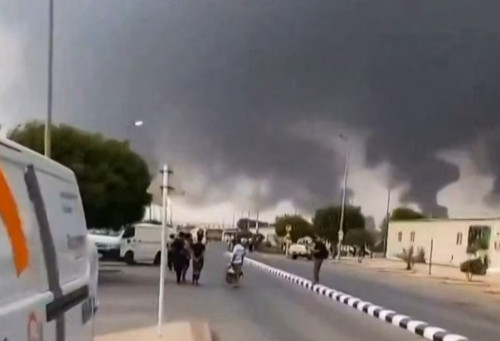
Bernama-dpa reported on Saturday that Khamenei has not been seen publicly nor issued any audio or video message since his appointment on March 8, following the death of his father and predecessor, Ayatollah Ali Khamenei, in an Israeli air strike on Tehran at the outset of the United States–Israel offensive on February 28.
Reports indicate that several members of his family, including his wife, mother and brother-in-law, were also killed in the attack, while United States officials have said he sustained injuries, though no further details have been disclosed.
In his Nowruz message, Khamenei expressed gratitude to Iran’s leadership, armed forces and citizens for their resistance in the face of ongoing attacks, while asserting that the country’s defensive posture extended beyond conventional military means.
“The enemy does not rely solely on military power such as missiles, drones and torpedoes,” he said, adding that Iran’s “front line” was broader than acknowledged by its adversaries.
He declared the new Persian year as one of “economic resilience in the spirit of unity and national security,” signalling a continued focus on internal strength amid mounting external pressure.
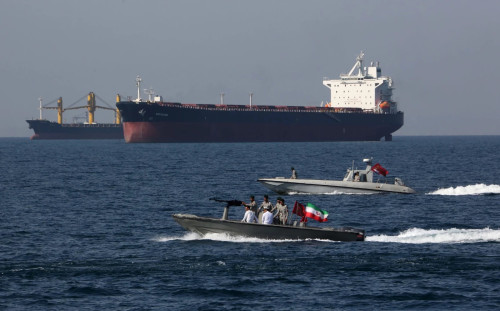
Khamenei also urged media organisations to exercise restraint, warning against highlighting weaknesses that could be exploited by opponents, and rejected claims that Iranian forces had launched attacks against Turkey and Oman.
Nowruz, meaning “new day”, marks the arrival of spring and symbolises renewal, coinciding with the vernal equinox when day and night are of equal length. However, this year’s observance has been overshadowed by conflict and uncertainty, both over Iran’s leadership and the wider regional situation. - March 21, 2026