EFFORTS to restore the flow of global energy supplies through the Strait of Hormuz intensified on Thursday as escalating hostilities between the United States and Iran drove oil prices sharply higher and heightened fears of a prolonged global economic shock.
Dozens of countries convened in urgent discussions led by Britain to address the disruption to one of the world’s most critical oil shipping routes, which typically carries around a fifth of global oil trade.
Reuters reported on Friday that, however, the meeting ended without concrete measures, underscoring the complexity of reopening the waterway amid ongoing conflict.
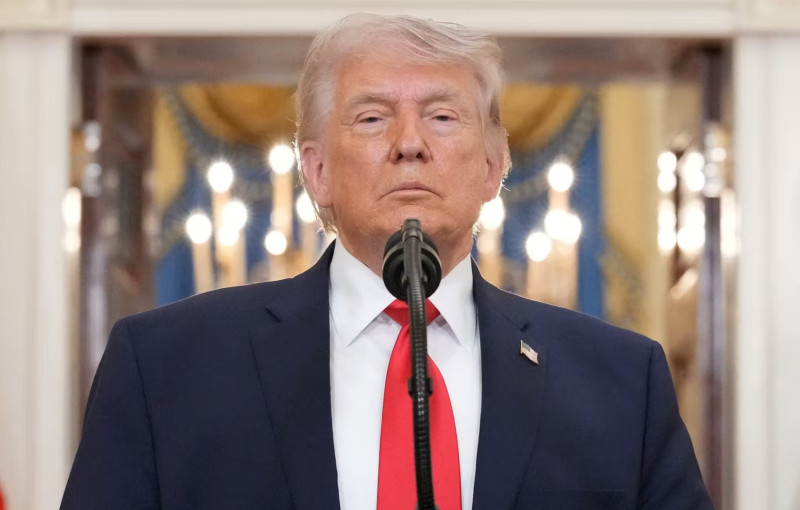
The crisis deepened after U.S. President Donald Trump renewed threats of intensified military action against Iran, dismissing speculation that he might signal a de-escalation. "IT IS TIME FOR IRAN TO MAKE A DEAL BEFORE IT IS TOO LATE".
Trump also shared footage of a U.S. airstrike targeting a newly constructed bridge linking Tehran to the suburb of Karaj. Iranian state media reported that eight people were killed and 95 injured in the attack.
"Striking civilian structures, including unfinished bridges, will not compel Iranians to surrender," Iran’s Foreign Minister Abbas Araqchi said.
In remarks delivered a day earlier, Trump indicated further escalation was imminent.
"We're going to hit them extremely hard over the next two to three weeks," he said. "We're going to bring them back to the Stone Ages where they belong."
The conflict, now entering its fifth week following a joint U.S.-Israeli aerial assault on February 28, has increasingly destabilised the region, sending shockwaves through global financial markets and placing mounting pressure on Washington to bring the fighting to an end.
Iran has effectively closed the Strait of Hormuz in retaliation, disrupting maritime traffic and proposing a new regulatory framework requiring vessels to obtain permits in coordination with Oman.
"These requirements will not mean restrictions, but rather to facilitate and ensure safe passage and provide better services to ships that pass through this route," Deputy Foreign Minister Kazem Gharibabadi said.
However, the proposal drew swift criticism from European leaders.
"International law doesn't recognise pay-to-pass schemes," said European Union foreign policy chief Kaja Kallas.
Iranian military officials signalled no immediate reopening of the strait, warning it would remain closed “long term” to the United States and Israel.
At the same time, Tehran threatened broader retaliation across the region.
The war will continue until the "permanent regret and surrender" of Iran's enemies, said Ebrahim Zolfaqari, spokesperson for Iran’s Khatam al-Anbiya central headquarters.
Iranian-linked media identified potential targets across the Gulf, including infrastructure in Saudi Arabia, Kuwait, Abu Dhabi and Jordan, while the Revolutionary Guards claimed responsibility for an attack on a cloud computing facility in Bahrain.
Global markets reacted sharply to the crises, with Brent crude prices jumping approximately 7% to around US$108 per barrel, while bond yields rose and equity markets retreated.
"The key question in all investors' minds is 'When is this going to be over?'" said Russel Chesler of VanEck Australia.
Despite calls from Washington for international intervention to secure the shipping lane, European leaders stressed that any such effort would require diplomatic coordination.
"It can only be done in consultation with Iran," French President Emmanuel Macron said.
Meanwhile, Aljazeera reported today that the humanitarian toll across the region continues to mount, with thousands reported dead and tens of thousands injured since the conflict began.
In Lebanon, at least 1,345 people have been killed, including 125 children, with more than 4,040 others reported injured.
In Israel, 28 people have lost their lives, all but one of whom were civilians, while 10 Israeli soldiers were killed in Lebanon. Hospitals have treated over 3,200 injured individuals.
In the United States, 13 military personnel have died in combat, with an additional two deaths from non-combat causes, and more than 200 service members wounded.
The occupied West Bank has reported four fatalities. The United Arab Emirates has recorded 12 deaths and 169 injuries, while Bahrain has seen three fatalities, and Saudi Arabia two, along with 20 injured.
Kuwait has reported six deaths, Oman three, and Jordan 20 injured. In Qatar, 16 people have been injured, and Syria has reported four fatalities. Iraq has suffered more than 107 deaths since hostilities escalated.
The mounting casualties underscore the widespread human cost of the conflict, which continues to affect civilian populations across multiple nations.
Aid agencies warn that medical supplies are dwindling as needs rise sharply.
The conflict has also expanded geographically, with missile activity reported over Israel and involvement from Iran-aligned forces in Yemen.
Energy shortages are already straining economies across Asia, with Europe expected to feel similar pressure soon.
United Nations agencies have warned that the war could trigger a wider economic slowdown and a cost-of-living crisis, particularly in vulnerable regions such as Africa.
As tensions persist, fears are growing that Iran’s demonstrated ability to disrupt the Strait of Hormuz could grant it lasting leverage over global energy supplies, raising the stakes for a conflict that shows little sign of resolution. - April 3, 2026