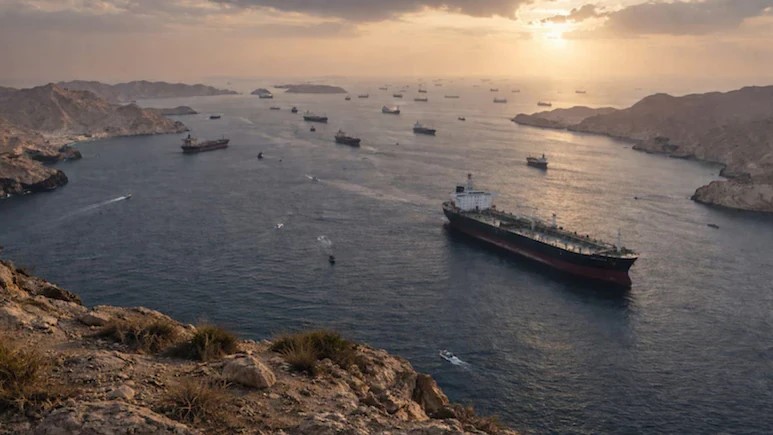
IRAN has reopened the Strait of Hormuz on a temporary basis under a U.S.-brokered truce, but warned the critical waterway could be shut again if Washington maintains its naval blockade of Iranian ports.
Reuters reported on Friday that the announcement by Foreign Minister Abbas Araqchi came as part of a 10-day ceasefire linked to fighting between Israel and Lebanon, raising cautious hopes for wider diplomatic progress while exposing persistent divisions between Tehran and Washington.
Araqchi said the strait would be open to commercial vessels for the duration of the truce, but Iranian officials swiftly underscored that the measure was conditional.
Parliament speaker Mohammad Baqer Qalibaf warned that the passage, through which roughly a fifth of global oil supply has historically flowed, “will not remain open” if the U.S. blockade continues.
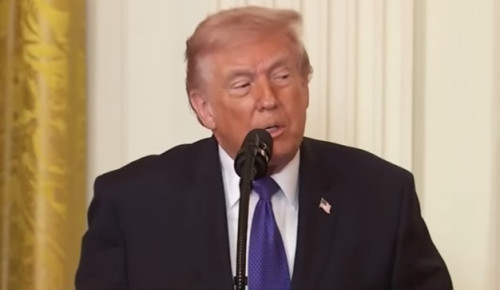
U.S. President Donald Trump, who has framed the unfolding diplomacy in transactional terms, welcomed the reopening, telling supporters in Arizona that it marked “a great and brilliant day for the world.”
He added that restrictions on vessels heading to Iranian ports would remain in place until “our transaction with Iran is 100% complete”.
Despite the nominal reopening, maritime traffic showed signs of disruption. Vessel tracking indicated that a flotilla of around 20 ships approached the strait but many turned back, reflecting uncertainty among shipping operators.
Iran has also imposed new requirements for vessels to coordinate with the Islamic Revolutionary Guard Corps, while barring U.S.- and Israel-linked ships entirely.
Shipping companies reacted cautiously, seeking further clarification on safety conditions, including the potential presence of naval mines.
The U.S. Navy separately warned that the extent of mine risks in parts of the waterway remained unclear and advised caution.
The reopening triggered an immediate reaction in global markets, with oil prices falling by about 10 per cent and equities rallying on expectations that energy flows might resume.
However, the durability of that recovery hinges on whether safe passage can be guaranteed.
Diplomatic prospects remain uncertain. While Trump suggested further talks could take place within days, logistical constraints and unresolved disputes — particularly over Iran’s nuclear programme — cast doubt on the timeline.
Washington has proposed a 20-year suspension of Iranian nuclear activity, while Tehran has countered with a shorter three- to five-year pause.
Trump told Reuters the United States would remove Iran’s enriched uranium stockpiles, but Iranian officials rejected any transfer.
Foreign ministry spokesman Esmaeil Baghaei said the material would not leave the country, underscoring the gap between the two sides.
“There had been an agreement on unfreezing billions of dollars in Iranian assets as part of the accord,” a senior Iranian official said, though no timeline was provided. Trump later contradicted that suggestion, stating at his rally that “no money will exchange hands in any way, shape or form.”
Iranian officials nonetheless expressed cautious optimism that a preliminary framework could emerge in the coming days, potentially extending the ceasefire and allowing further negotiations on sanctions relief and war reparations. Yet insiders acknowledged that “gaps remained to be resolved”.
On the ground, the truce between Israel and Lebanon appeared largely intact, though sporadic violations were reported. The conflict, reignited after Hezbollah launched attacks in support of Iran, has resulted in heavy casualties and widespread displacement.
Religious leaders in Iran struck a defiant tone. Cleric Ahmad Khatami said during Friday prayers: “Our people do not negotiate while being humiliated.”
With maritime security, nuclear constraints and regional hostilities all intertwined, the reopening of the strait offers only a temporary reprieve in a crisis that remains far from resolved. - April 18, 2026