THE United States is seeking to revive stalled diplomacy with Iran through indirect talks in Pakistan, even as escalating conflict in the Middle East continues to disrupt global energy supplies and heighten geopolitical tensions.
US President Donald Trump has dispatched envoys Steve Witkoff and Jared Kushner to Islamabad for discussions linked to ceasefire efforts, with Pakistan acting as an intermediary.
AP reported on Saturday that Iranian Foreign Minister Abbas Araghchi arrived in the Pakistani capital late Friday, though Tehran has ruled out direct engagement with American officials during the visit.
Foreign ministry spokesman Esmael Baqaei said, “No meeting is planned to take place between Iran and the U.S.”
He added that Pakistani officials would relay messages between both sides, thanking Islamabad for its “ongoing mediation & good offices for ending American imposed war of aggression.”
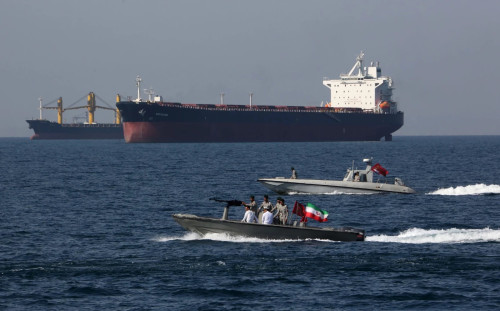
The planned talks come against the backdrop of a widening regional conflict that has choked vital oil and gas shipments through the Strait of Hormuz, a key global energy artery, and sent shockwaves through international markets.
White House press secretary Karoline Leavitt confirmed the US initiative, expressing cautious optimism over the diplomatic effort.
“We’re hopeful that it will be a productive conversation and hopefully move the ball forward to a deal,” she said, adding that Vice President JD Vance remains “deeply involved” and could travel to Pakistan if necessary.
Leavitt said senior officials, including Vance, Secretary of State Marco Rubio and members of the national security team, remain on standby to join the effort should conditions warrant.
Previous indirect talks between Araghchi and US representatives in Geneva on February 27 failed to yield an agreement, with hostilities escalating shortly thereafter as the United States and Israel launched military operations against Iran.
Leavitt said Trump had authorised the latest outreach “to hear the Iranians out,” noting, “We’ve certainly seen some progress from the Iranian side in the last couple of days,” though she did not elaborate.
Pakistan has intensified its diplomatic efforts to bring both sides back to the negotiating table, following Trump’s decision to extend an existing ceasefire arrangement at Islamabad’s request.
Despite these efforts, tensions remain acute in the Strait of Hormuz, through which roughly a fifth of global oil and gas supplies typically pass. Iran has continued to target maritime traffic, while the United States maintains a blockade on Iranian ports and has escalated its military posture in the region.
“Iran has an important choice, a chance to make a deal, a good deal, a wise deal,” US Defence Secretary Pete Hegseth said, confirming that additional naval assets would be deployed.
The United States currently has three aircraft carriers operating in the region, marking the first such concentration of naval power since 2003, alongside hundreds of aircraft and thousands of personnel.
Separately, the White House announced a 90-day extension of a waiver to the Jones Act, allowing foreign vessels to transport oil and natural gas to US ports in a bid to ease supply constraints following disruptions in the Gulf.
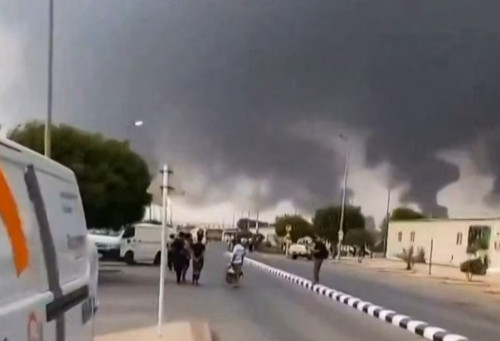
The conflict has exacted a heavy human toll. Authorities report at least 3,375 deaths in Iran and more than 2,490 in Lebanon, where fighting involving Israel and the Iran-backed Hezbollah group has intensified. Additional casualties have been recorded in Israel, Gulf Arab states and among US forces deployed in the region.
The United Nations peacekeeping mission in southern Lebanon has also suffered losses, with multiple personnel killed since the outbreak of hostilities.
Meanwhile, a fragile ceasefire between Israel and Lebanon remains under strain despite a recent extension. Israeli Prime Minister Benjamin Netanyahu described ongoing efforts as “a process to achieve a historic peace between Israel and Lebanon,” even as military exchanges and evacuation warnings continue in southern Lebanon.
The situation underscores the fragile state of regional stability, with diplomatic channels struggling to keep pace with an increasingly volatile conflict. - April 25, 2026