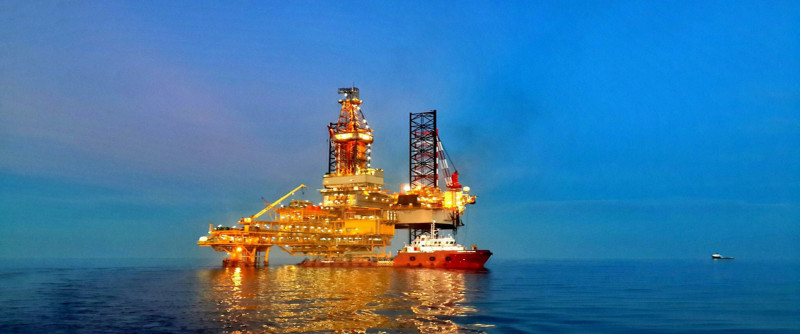
OIL prices fell sharply for a second consecutive session as investors weighed the prospect of a diplomatic breakthrough between the United States and Iran that could pave the way for the gradual reopening of the Strait of Hormuz and ease concerns over global energy supplies.
International benchmark Brent crude dropped 3.5 per cent to US$97.50 a barrel by 0715 GMT, while US benchmark West Texas Intermediate (WTI) declined more than three per cent to US$92 a barrel.
Bernama-Anadolu reported on Thursday that the market retreat followed reports that Washington had delivered a one-page memorandum of understanding to Tehran via Pakistan, outlining a framework aimed at formally ending the conflict and enabling a phased reopening of the Strait of Hormuz.
Iranian authorities are expected to respond within days after confirming they are reviewing the US proposal, although broader negotiations concerning Tehran’s nuclear programme are reportedly expected to take place at a later stage.
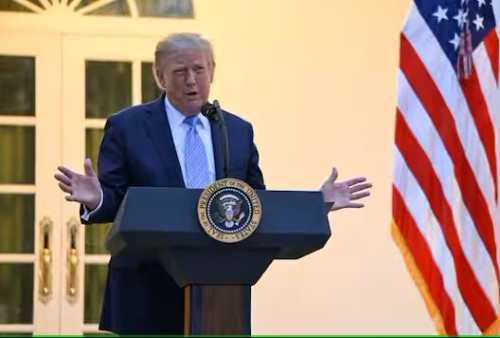
However, US President Donald Trump cautioned that no agreement had yet been finalised, warning that it was a “big assumption” to believe Iran would ultimately accept the proposal.
He also warned that Washington could resume military strikes should Tehran fail to comply with the conditions set out by the United States.
Oil prices were further pressured after Trump temporarily shelved plans to support commercial vessels transiting the Strait of Hormuz.
According to NBC News, citing unnamed sources on Wednesday, the abrupt policy shift came after key Gulf allies suspended the use of their bases and airspace by US forces for operations linked to the corridor.
The development strengthened market expectations that Washington may be shifting away from a military posture in favour of diplomacy, helping to calm fears of further disruption in one of the world’s most critical energy transit routes.
The Strait of Hormuz remains a vital artery for global crude oil and liquefied natural gas (LNG) flows. Weeks of conflict across the region had previously driven prices sharply higher amid concerns over tightening supplies. - May 7, 2026
.jpg)





_director_Datuk_M._Kumar.jpg)