COLOMBIAN private military contractors were allegedly deployed to Sudan to support the Rapid Support Forces (RSF) during the Darfur conflict, around the time the group seized El Fasher, North Darfur’s capital, in October 2025, according to Human Rights Watch (HRW).
In an 83-page report titled From Bogotá to El Fasher, HRW detailed how these contractors operated alongside RSF fighters, who have been engaged in a prolonged conflict with the Sudanese Armed Forces since April 2023.
The rights group said its findings indicate that foreign contractors were present in El Fasher during the RSF’s takeover of the city, which followed an 18-month siege.
The period was marked by widespread reports of killings, sexual violence, starvation, and attacks on civilians.
The report comes as international concern deepens over Sudan’s humanitarian crisis, which has displaced millions and pushed large segments of the population into severe hunger.
In Malaysia, where public discourse often centres on civilian protection and international law, the findings are likely to intensify debate over foreign involvement in internal conflicts.
HRW said the contractors were believed to have been recruited by Global Security Services Group, a security firm based in Abu Dhabi, before being deployed to Sudan.
Some reportedly transited through facilities in the United Arab Emirates, including sites in Ghiyathi and Al Wathba.
The UAE has consistently denied backing any party in Sudan’s war, maintaining that its involvement is strictly humanitarian and focused on ceasefire efforts, civilian protection, and accountability.
HRW said its investigation drew on interviews with two Colombian contractors who had been deployed to Sudan, a former employee of the security firm, residents of El Fasher, and other sources, including former Colombian military officers.
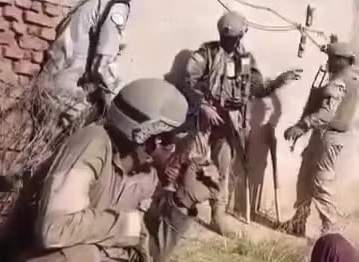
The organisation also examined corporate documents and verified online images and videos, some of which were posted by the contractors themselves.
These materials appeared to show foreign fighters operating alongside RSF units and undergoing training in the UAE.
One contractor told HRW that his passport was not stamped upon arrival in the UAE and that he was later transferred to a training facility in Ghiyathi, where he received instruction from Emirati personnel.
HRW said it identified at least four other contractors who transited through the UAE based on verified visual evidence.
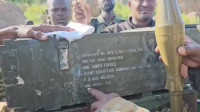
According to the report, the first publicly available indication of Colombian fighters in Sudan surfaced in November 2024, when social media videos showed a convoy intercepted after entering Sudan from Libya.
Documents recovered from the convoy reportedly included Colombian identification papers.
HRW said the group was found with Bulgarian-made 81mm shells, which media reports suggested may have originated from UAE military stockpiles.
The organisation noted that the transfer of such equipment could breach end-user agreements, citing findings from HRW, Amnesty International, and France 24.
The report also said HRW verified footage showing Spanish-speaking contractors fighting in El Fasher during the RSF’s capture of the city in late 2025.
HRW said Global Security Services Group was founded in 2016 by Ahmed Mohammed al-Humairi, a senior official in the UAE Presidential Court, before ownership was later transferred to businessman Mohamed Hamdan al-Zaabi.
The company has described itself as the first private firm in the UAE to obtain an armed security licence and has previously listed key government ministries among its clients.
HRW said it sought responses from the company, UAE authorities, and other parties linked to the alleged deployment but did not receive any replies.
The organisation has called on the UN Security Council to direct its Panel of Experts on Sudan to investigate the company and its leadership, including whether any actions may have violated the UN arms embargo on Darfur.
The Sudan war has increasingly drawn attention as a complex conflict involving armed groups, foreign networks, and private military actors, raising broader questions about accountability and civilian protection. – June 11, 2026
.jpeg)