IRAN has announced that its ballistic missile capabilities will be strictly excluded from all impending diplomatic negotiations with the United States, immediately drawing a hard line following a newly minted framework agreement designed to bring a definitive end to their recent military conflict.
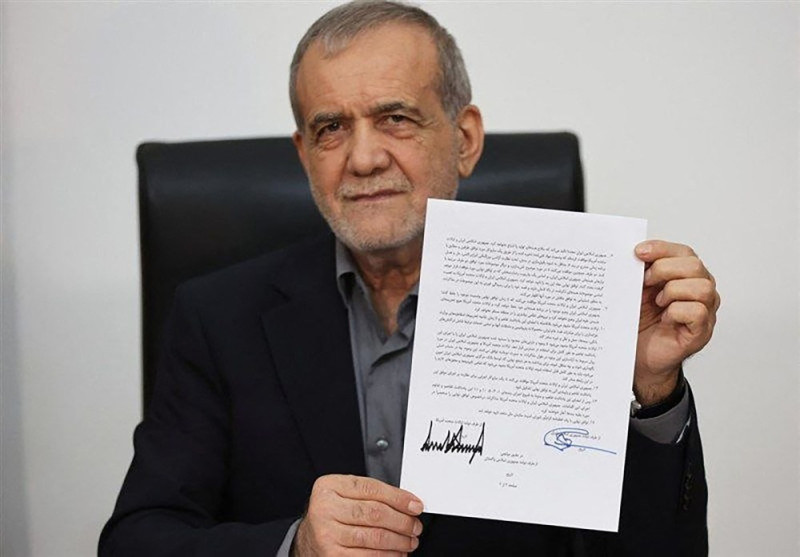
The declaration followed the signing of a memorandum of understanding early today by US President Donald Trump and Iranian President Masoud Pezeshkian, which successfully halted a regional war that erupted on February 28 with joint US-Israeli strikes.
AFP reported on Thursday that while the accord establishes a formal architecture for upcoming talks regarding Tehran's nuclear ambitions and the potential unwinding of economic sanctions, it remains completely silent on the status of Iran's conventional missile arsenal.
Washington and its regional ally, Israel, have long regarded the missile stock as a critical security threat, but Tehran has moved swiftly to shut down any expectations of disarmament or military concessions.
"Our missiles do not like at all to be talked about by anyone," foreign ministry spokesman Esmaeil Baqaei stated during a broadcast interview with Iranian state television.
"Iranian missiles are only for firing, not for negotiations. Iran’s defence capability will not be discussed in any way, in any process or with any party."
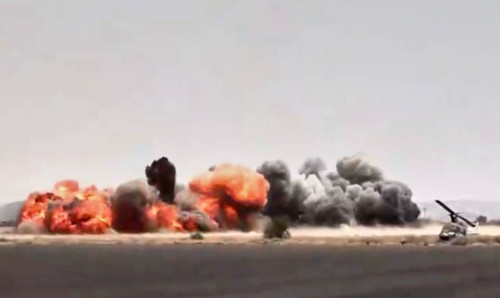
The steadfast position comes in the wake of an intense forty-day conflict during which Iran's missile infrastructure sustained heavy bombardment from US and Israeli forces.
Despite the scale of the attacks, Tehran maintained a persistent campaign of missile and drone retaliations across the region until the ceasefire was reached.
Prior to the outbreak of hostilities, US Secretary of State Marco Rubio had explicitly warned that any comprehensive settlement would require Iran to negotiate terms over its ballistic weaponry, which Washington categorises as a direct threat to American military bases and Israeli territory.
Iran has consistently rejected these demands, maintaining that its hardware serves a purely defensive purpose.
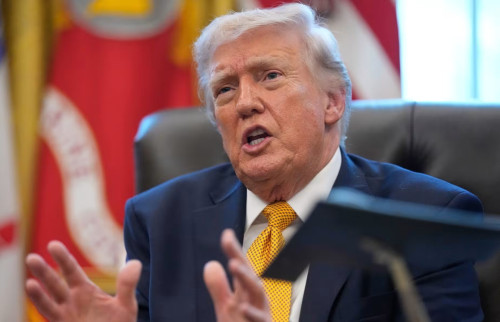
However, a potential diplomatic opening appeared yesterday when President Trump seemed to moderate the traditional American stance during public remarks, suggesting that denying Tehran conventional missiles altogether might be unreasonable.
"I’m saying that if other countries have them, it’s a little bit unfair for them not to have some," Trump remarked. "A ballistic missile is not the same thing as what we are talking about when we talk nuclear."
Whether this apparent shift in presidential rhetoric will translate into formal policy remains to be seen, as negotiators prepare to navigate the complex diplomatic process laid out in the post-war roadmap. - June 18, 2026