IRAN has warned that any further US attacks on its assets could trigger retaliation against energy infrastructure across the Gulf, including American oil and gas interests, as tensions escalate following renewed strikes at sea.
"Iranian Parliament Speaker Mohammad Baqer Qalibaf said on Monday: "Strike our assets and you get struck," after US and Iranian forces traded attacks on shipping over the weekend.
Reuters reported that his warning came as oil prices climbed to near six-week highs amid growing concerns that further escalation could disrupt global energy supplies.
Qalibaf, who is also Iran’s top negotiator, later reinforced the threat in an apparent response to US Defence Secretary Pete Hegseth, who had described Iran’s oil tanker fleet as "defenceless".
"It's simple: the oil and gas production chain here is sprawling, accessible, and exposed. American oil and gas companies across these waters and facilities share that exposure," Qalibaf wrote on X.
The latest warning underscores the risk of further escalation after the two sides exchanged attacks over the weekend, with diplomatic efforts showing little sign of progress towards ending more than six months of conflict.
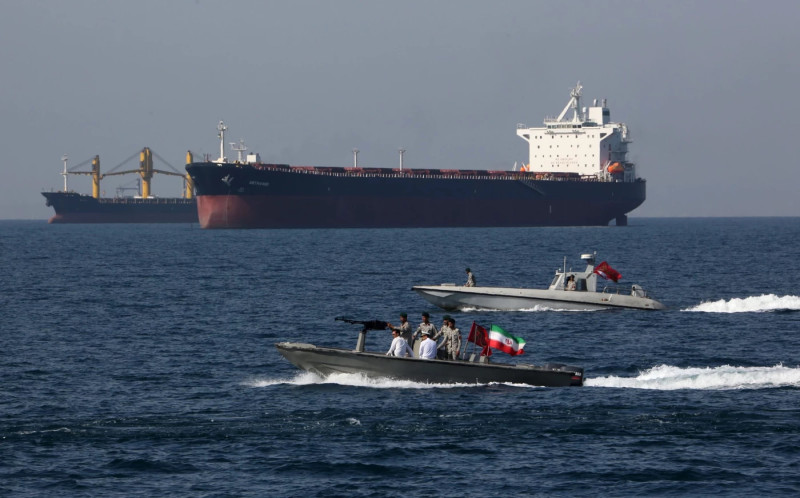
Iran has tightened restrictions on shipping through the Strait of Hormuz, a critical route for global oil and liquefied natural gas supplies, since the conflict began with US and Israeli strikes on Feb 28.
Senior Iranian security official Mohsen Rezaei said on Sunday that Tehran would soon announce a new restricted zone in the Gulf and introduce a new shipping corridor through the Strait of Hormuz.
Rezaei said the zone would begin where the US naval blockade of Iran starts and extend into parts of the Gulf, with vessels entering the area to be placed on an Iranian sanctions list.
"We will only commit to the Strait of Hormuz being open when they (the Americans) stop the sabotage, threats and attacks on Iran," Rezaei said.
The latest escalation has also heightened tensions in Lebanon, where Israeli strikes on a town in the south killed at least 12 people on Monday, according to the Lebanese Health Ministry.
The attacks have raised fears of a renewed Israeli military campaign despite a June ceasefire with Iran-backed Hezbollah, while Tehran has insisted that any lasting agreement with Washington must include an end to Israeli attacks in Lebanon.
The conflict has already severely reduced shipping through the Strait of Hormuz, with shipping data showing an average of only 10 commodity vessels a day transited the waterway over the past 10 days — the lowest level since May.
The Strait carried about a fifth of global oil and liquefied natural gas shipments before the war.
On Saturday, US forces struck three Iranian oil tankers, including one near Kharg Island, Iran’s main oil export hub, according to US Central Command. The attacks followed strikes by Iran’s Revolutionary Guards against US warships operating in the region.
Meanwhile, US sanctions and efforts to restrict Iranian oil exports are placing further pressure on Tehran’s economy, with senior Iranian sources telling Reuters that Washington’s campaign to curb sanctions evasion is becoming increasingly difficult for Iran to withstand.
Qalibaf acknowledged over the weekend that Iran’s challenges extended beyond the battlefield, citing inflation, unemployment, currency volatility and market instability.
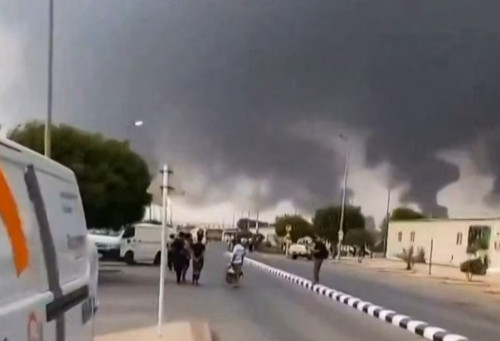
The conflict has also affected oil-producing Gulf states, including the United Arab Emirates, which has faced Iranian missile attacks and attacks on its oil tankers in the Strait of Hormuz.
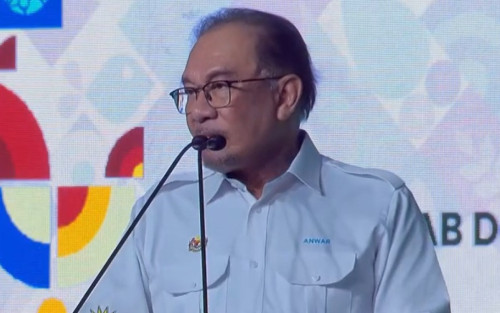
UAE presidential adviser Anwar Gargash said on Monday that the country was developing alternative routes for energy exports and trade to ensure they were not "held hostage" by the conflict.
The disruption has also contributed to higher fuel prices in the United States, adding to economic pressures facing the administration of President Donald Trump ahead of November’s midterm elections. - September 8, 2026