World

Dozens of dead pigs wash up in northern China river

Swines believed to be diseased

Updated 5 years ago · Published on 22 Mar 2021 8:00PM

Dozens of dead pigs wash up in northern China river
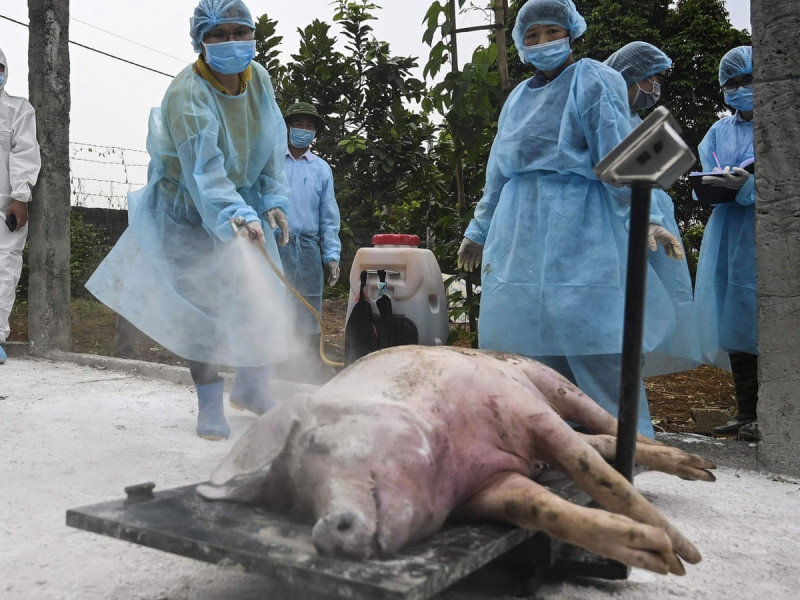
It is unclear what caused the deaths of the 26 pigs found along the banks of the Yellow River last week, but there is speculation of the swine carcasses being pumped full of illicit chemicals. – AFP pic, March 22, 2021

BEIJING – Dozens of dead pigs mysteriously emerged on a riverbank in northern China, state media reported Monday, sparking an investigation and social media speculation about how they perished.

China has seen similar scandals in the past, which have exposed some of the unsavoury practices in its food industry, including the shocking 2013 incident in which thousands of dead pigs were pulled out of a Shanghai river.

The country’s pig population is slowly recovering after a widespread African swine fever outbreak killed or forced the culling of 100 million animals.

But it was unclear what caused the latest incident – at least 26 pig carcasses were found along the banks of the Yellow River last week near the city of Ordos in inner Mongolia, according to a state media report.

Some were still floating, and local villagers said they had no idea where they had come from, said the report on the Banyuetan website.

The discovery brought back memories of the 16,000 dead pigs that were pulled out of a river in Shanghai, sparking widespread fears about food safety and pollution.

Those pigs – believed to be diseased – were dumped in the water by farmers.

Many users on China’s Twitter-like social media platform Weibo demanded harsh punishments for those responsible.

Others speculated that the pigs may have been diseased, or pumped full of illicit chemicals.

The local government said yesterday that the dead pigs were safely disposed of, and the agricultural disease control department had collected samples as they started to try and trace the carcasses and investigate the circumstances.

The African swine fever crisis caused China’s pig herd to drop by nearly half, according to official data.

One pig farmer told AFP at the height of the outbreak that some affected farmers were quietly selling or disposing of dead pigs rather than declaring them to the government. – AFP, March 22, 2021


Related News

Malaysia / 5mth

Teresa Kok denies issuing statement that 'halal certification for pigs is appropriate'

Animals / 3y

Study: We still find it difficult to grasp that animals are sentient beings (just like us)

Malaysia / 3y

African swine fever: govt to finalise compensation for pig farmers soon

Malaysia / 3y

23 Penang pig farms hit by ASF, says CM

Malaysia / 3y

Report wild boar, pig deaths immediately: Veterinary Dept

Malaysia / 3y

Four more Penang pig farms affected by ASF, bringing total to 11

Spotlight

Malaysia

Anwar congratulates BN on Johor victory, assures federal government support

Malaysia

Johor PRN: BN officially forms state government, wins 29 seats

Malaysia

Malaysia-Thailand open historic border crossing to deepen trade, regional integration

By Ian McIntyre

Malaysia

Gerak Khas drama actress, Tisha Samsir denies drug involvement

Malaysia

Student stabbing: Teenage girl sent to Hospital Bahagia for psychiatric evaluation

Malaysia

Anwar wishes Tun M a happy 101st birthday

World

Israel shares intelligence with US over alleged Iranian plot to assassinate Trump

You may be interested

World

Fifteen Indian tourists killed after boat capsizes off Vietnam’s Phu Quoc Island

World

Iran Foreign Minister to hold Oman talks on Strait of Hormuz security

World

315 earthquake victims remain unidentified as Venezuela death toll exceeds 4,300

World

Venezuela earthquake death toll climbs to 4,118 as relief efforts intensify

World

Iran closes Strait of Hormuz after vessel strike as Gulf tensions escalate

World

Minor earthquake shakes northern Thailand, no damage reported

World

France under highest heat alert as Paris landmarks close and Tour De France route cut

World

Gaza's post-war plans take shape as security and governance challenges remain unresolved