World

Japan to release treated Fukushima water into sea

Environmental activists have expressed strong opposition to the proposal

Updated 6 years ago · Published on 16 Oct 2020 10:54AM

Japan to release treated Fukushima water into sea
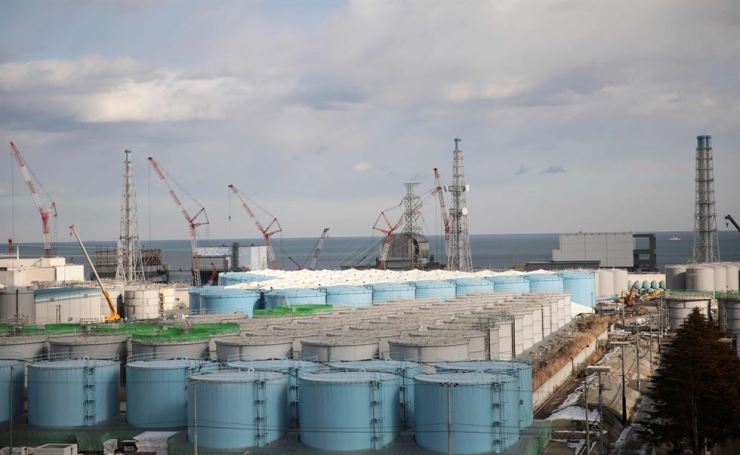
Reactor units 1 to 4 and storage tanks for contaminated water at the Fukushima Daiichi Nuclear Power Plant in Okuma, Fukushima Prefecture. — AFP file pic, October 16, 2020

TOKYO — A government panel said earlier this year that releasing the water into the sea or evaporating it were both "realistic options".

As of last month, there were 1.23 million tonnes of wastewater at the facility, the Nikkei reported.

Environmental activists have expressed strong opposition to the proposals, and fishermen and farmers have voiced fear that consumers will shun seafood and produce from the region.

South Korea, which bans imports of seafood from the area, has also repeatedly voiced concern about the environmental impact.

Japan's government has been deliberating the issue for more than three years, but a decision is becoming urgent as space to store the water — which also includes groundwater and rain that seeps daily into the plant — is running out.

Most of the radioactive isotopes have been removed by an extensive filtration process — but one remains, called tritium, which cannot be removed with existing technology.

The expert panel advised in January that discarding the water into the sea was a viable option because the method is also used at normal nuclear reactors.

Tritium is only harmful to humans in very large doses, experts say. The International Atomic Energy Agency argues that properly filtered water could be diluted with seawater and then safely released into the ocean.

The Yomiuri reported that the water would be diluted inside the facility before its release so it is 40 times less concentrated, with the whole process taking 30 years.

The treated water is currently kept in a thousand huge tanks at the Fukushima Daiichi site, where reactors went into meltdown nearly a decade ago after the earthquake-triggered tsunami.

Plant operator TEPCO is building more tanks, but all will be full by mid-2022. — AFP, October 16, 2020

Related News

World / 3y

AFP journalist killed in rocket attack in Eastern Ukraine

World / 3y

Turkiye-Syria quake deaths to top 50,000: UN relief chief

Entertainment / 4y

'Strange' reigns but 'Downton' shows class on N.America screens

Entertainment / 4y

Depp lawyers wrap up cross-examination of Amber Heard

Tech / 4y

'Like family': Japan's virtual YouTubers make millions from fans

Entertainment / 4y

Will Smith banned from Oscars ceremonies for 10 years

Spotlight

Business

Ringgit gains as oil prices plunge on hopes of Iran conflict de-escalation

Events

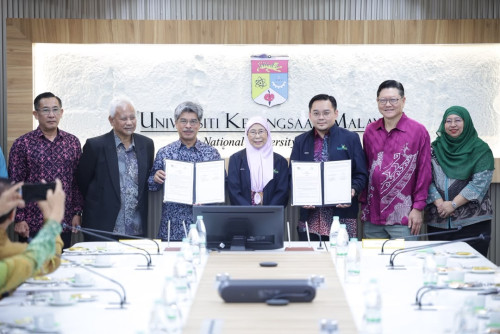
UKM to establish academic research platform named after Dr Wan Azizah

Malaysia

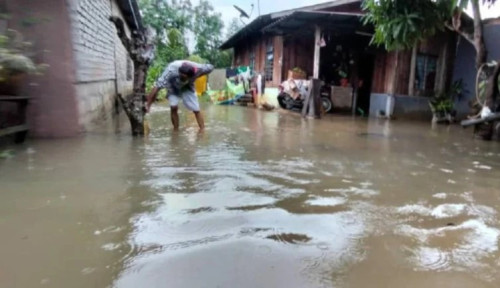
Deepavali preparations destroyed as flash floods inundate Sungai Buloh homes

Malaysia

Melaka polls: Calm campaign puts focus on what parties can offer voters

Malaysia

Anwar challenges Hadi over ‘Dajjal’ label

Malaysia

Shuhaily remains AKPS chief pending official transfer order, says lawyer

Malaysia

Najib's former wife Tengku Puteri Zainah passes away

Malaysia

Matrade exposes scam involving fake procurement orders, advance payment demands

By Alfian Z.M. Tahir

Malaysia

“Don’t panic,” Govt assures stable essential goods supply amid geopolitical tensions, monsoon threat

You may be interested

World

Israeli President certifies election results

World

Iran warns countries aiding US military action will become 'legitimate targets'

World

Trump faces Republican revolt after midterm rout puts Democrats in control of Congress

World

France braces for nationwide strikes and protests as Macron seeks to avert fresh unrest

World

Democrats seize control of Congress in sweeping midterm gains across Republican strongholds

World

Trump faces Iran war dilemma after Republican midterm losses

World

Wave of hoax bomb threats disrupts European flights, prompts fighter jet escorts

World

Nearly 90 million displaced people exposed to climate risks, UNHCR warns