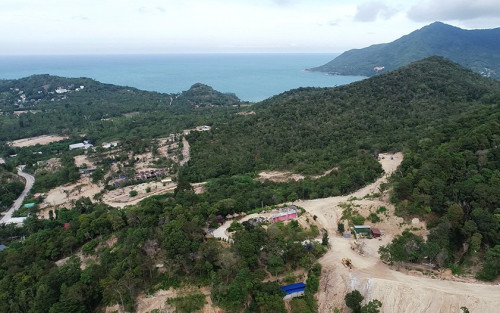
LONDON – England and Scotland have revised their Covid-19 travel rules yesterday, placing greater restrictions on travellers arriving from the Balearic Islands, Spain, over fears of rising case numbers.
The Transport Department here said after a “sharp rise in cases”, a decision was taken to move the Balearic Islands and British Virgin Islands to England’s “amber” list – the middle ranking for Covid-19 incidence.
The Scottish government, which sets its own transport policy, announced it will be making the same changes.
Under the “amber” restrictions, which will come into force after 4am on July 19, travellers will have to isolate at home when they arrive in the United Kingdom (UK).
However, changes that come into effect on the same day mean that those who have had both Covid-19 vaccines as part of the UK’s inoculation campaign will not have to isolate after they return.
The Spanish islands, which include Ibiza, Menorca, Majorca and Formentera, were only moved to the UK’s green list at the end of last month.
“Unfortunately, when we put them on the green watch list… we have seen the rates double, and also the positivity rates of these tests double, meaning that we are going to have to move quickly,” said Transport secretary Grant Shapps.
Revisions in restrictions were also announced for Bulgaria, Croatia, Hong Kong and Taiwan, which have been moved to the “green” watch list, the lowest ranking for Covid-19 cases, which means that travellers do not have to isolate in the UK, but still have to test for the virus before and after arrival.
Cuba, Indonesia, Myanmar and Sierra Leone will be added to the “red” list from July 19, with the strictest travel measures imposed, meaning those who have departed from or transited through the countries will be refused entry.
British and Irish citizens, or UK residents, must quarantine in a government-approved hotel for 10 days when returning from red-list countries. – AFP, July 15, 2021