ANKARA – UN International Children’s Emergency Fund (Unicef) has denied claims promoted by a section of baby food marketers that breastfeeding could transmit Covid-19.
Speaking to Anadolu Agency, officials associated with the Unicef’s Turkey office said it was safe to continue breastfeeding even if the mother is suspected of or confirmed positive for the coronavirus.
The officials, who do not want to be named as they are not authorised to speak to the media said the women currently breastfeeding or providing expressed milk can also take the vaccine, which has been recommended by the World Health Organisation (WHO) as well.
“The numerous benefits of breastfeeding substantially outweigh the potential risks of illness associated with the virus,” they said.
Unicef Turkey also called on businesses and employers to implement family-friendly policies that support mothers by giving them time, space, and support for breastfeeding. They also asked for employers to provide at least 18 weeks of paid maternity leave.
According to new research published in JAMA Pediatrics, a monthly peer-reviewed medical journal, last month the vaccine, which includes the mRNA of the virus, does not transfer to infants through breastfeeding.
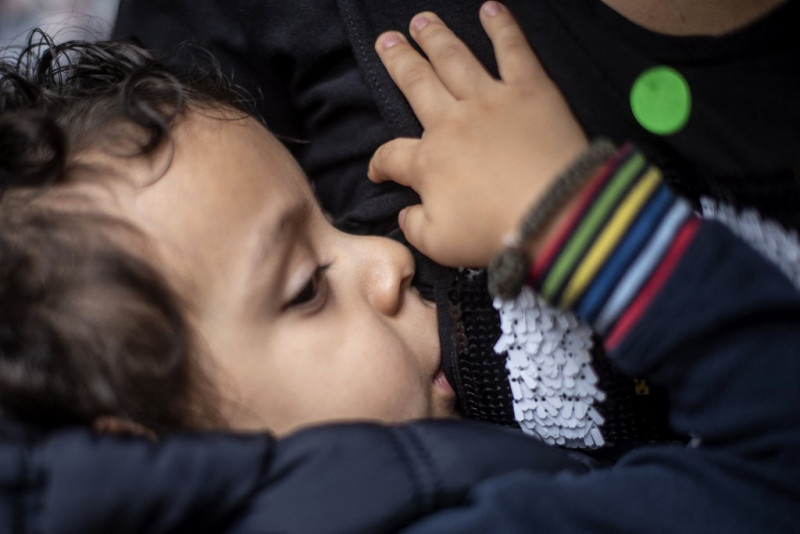
“Breastfeeding provides children the best start in life. It is a baby’s best source of nutrition, bolstering brain development with lifelong benefits for babies,” said the officials.
World Breastfeeding Week is observed every year from August 1-7 to raise awareness and galvanise action on themes related to breastfeeding. This year’s theme is Protect Breastfeeding: A Shared Responsibility.
Unicef experts said early initiation of breastfeeding (in the first hour of birth), exclusive breastfeeding (between 0-5 months), and continued breastfeeding (from 6-23 months) offers a powerful line of defense against all forms of childhood malnutrition including wasting.
Breastfeeding saves lives
Stressing that breastfeeding saves lives and protects children from deadly infections, they said infants who are not fully or partially breastfed have a higher risk of diarrhea and are more likely to die particularly in low-income countries.
“Breastfeeding is singularly the most effective public health intervention. We have to give all children everywhere the best start in life. It is a human right for mothers and their babies, and it should be protected and promoted,” they added.
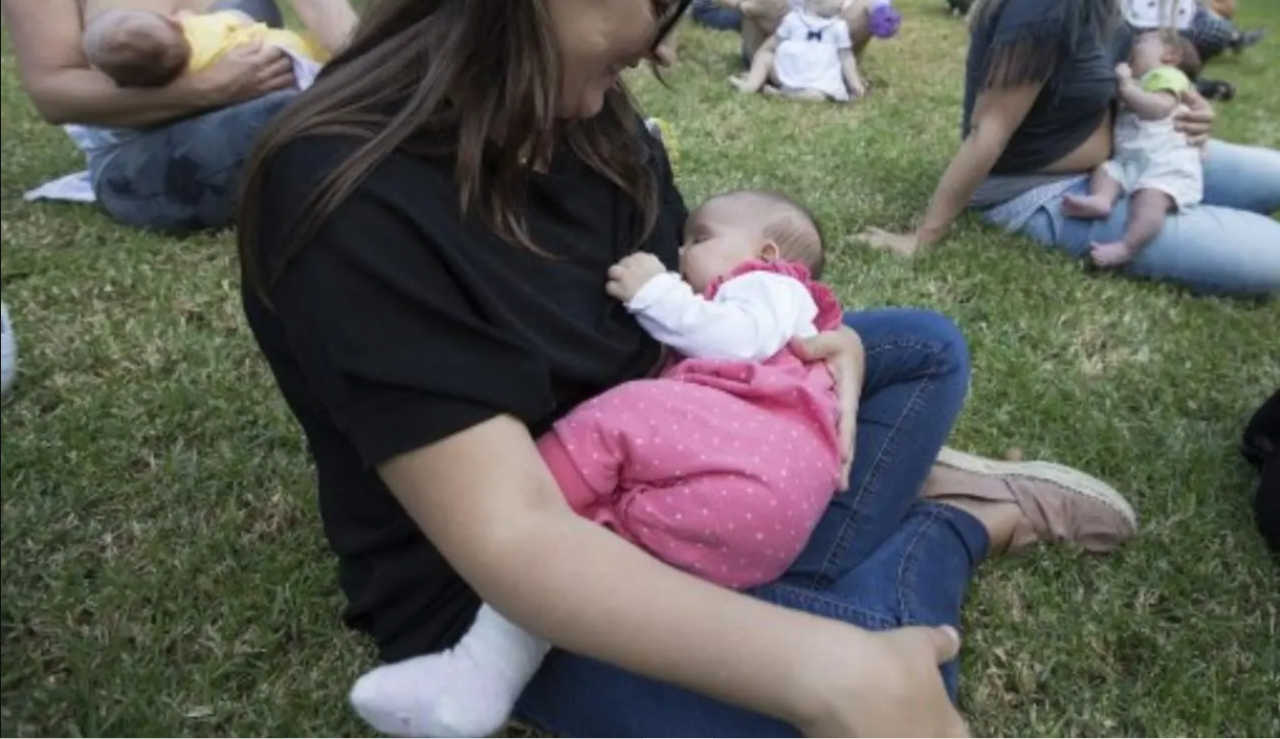
Praising the efforts in improving breastfeeding rates around the world, sources said there is still significant work to be done to promote, protect and support breastfeeding.
“In the last four decades, there has been a 50% increase in the prevalence of exclusive breastfeeding. As a result, an estimated 900 million infants globally have enjoyed the survival, growth, and development benefits of exclusive breastfeeding in infancy,” the officials said.
The officials lamented that breastfeeding rates are low in many countries. They said that only 44% of infants are exclusively breastfed in the first six months, far short of the global targets of 50% by 2025. They said that more than half of newborn babies completely miss out on the benefits of breastfeeding to survive and thrive.
The officials also warned against aggressive marketing of breastmilk substitutes, which undermine breastfeeding and puts the health of mothers and children at risk.
Over 820,000 children’s lives could be saved every year among children under five years, if all children 0–23 months were optimally breastfed, according to the WHO. Undernutrition is estimated to be associated with 2.7 million child deaths annually or 45% of all child deaths.
Infant and young child feeding is a key area to improve child survival and promote healthy growth and development, the WHO said.
Implement code of marketing
Officials urged governments to fully implement the International Code of Marketing of Breast-Milk Substitutes through strong legal measures.
The International Code was adopted by the World Health Assembly on May 21, 1981, so that families would be protected from the infant formula industry’s aggressive marketing tactics aimed at promoting breast-milk substitutes, which was contributing to declining breastfeeding rates and increasing child morbidity and mortality.
The aim of the code is “to contribute to the provision of safe and adequate nutrition for infants, by the protection and promotion of breastfeeding, and by ensuring the proper use of breast-milk substitutes, when these are necessary, based on adequate information and through appropriate marketing and distribution”. – Bernama, August 6, 2021