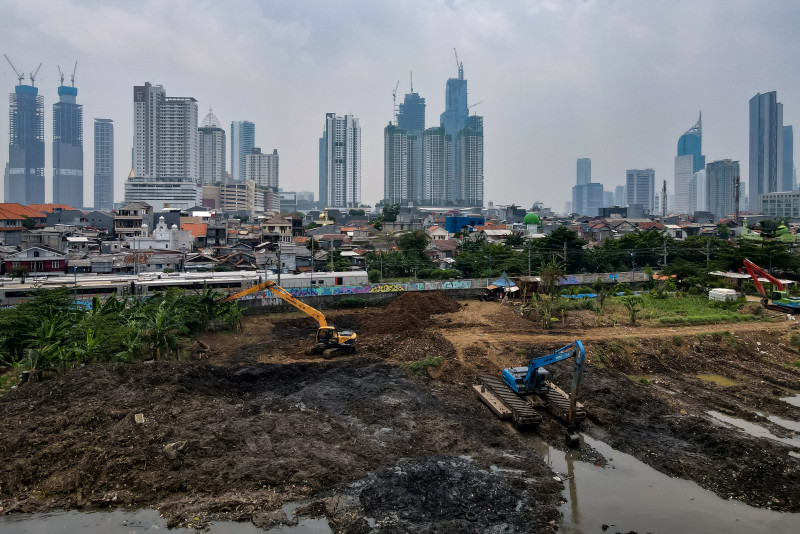
JAKARTA – Flood control solutions are expensive, but the cost of inaction is far greater.
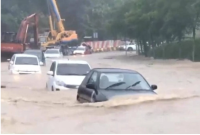
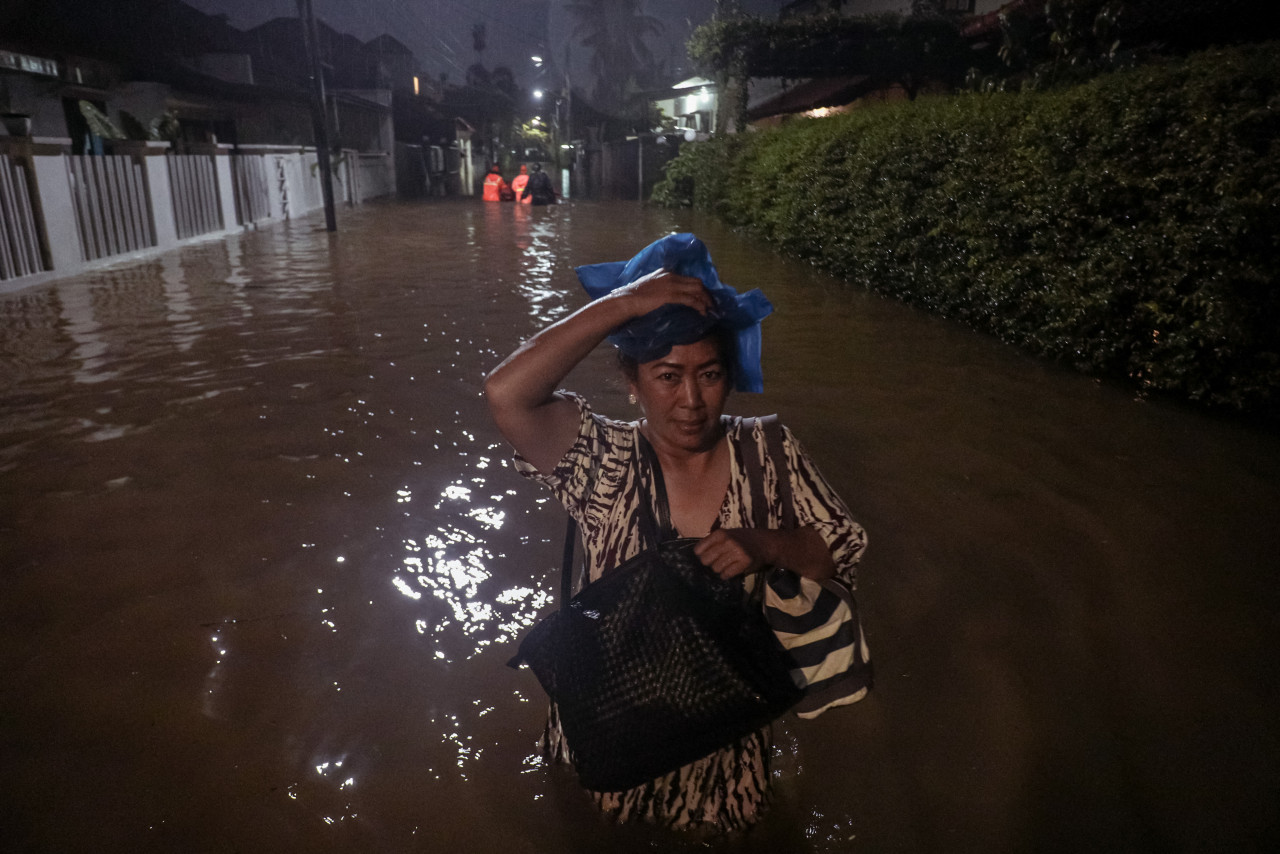
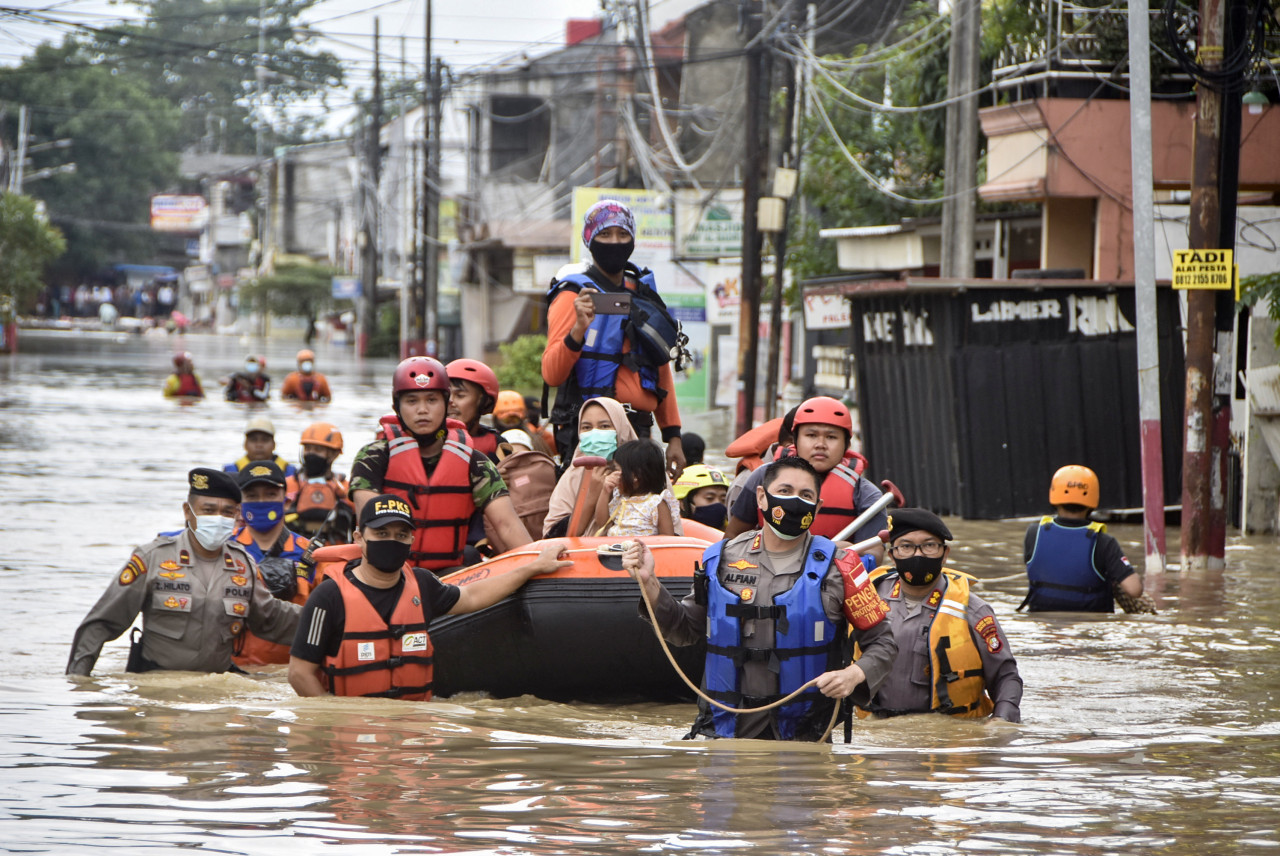
Jakarta has faced large-scale severe flooding repeatedly over the past three decades, most recently in 2020. The 2007 floods were the worst to date, with inundation in some parts of the capital reaching five metres. Dozens died, thousands were displaced, and the city was paralysed for days, suffering a damage bill that reached an estimated Rp5.2 trillion (RM1.58 billion).
And the rate of flooding is occurring more frequently, in Jakarta and elsewhere.
Jakarta’s flood warning system makes use of water level monitoring observed by automatic water level recorders at 21 locations. Based on readings, one of four flood alert statuses will be stated, ranging from “normal” to “dangerous”.
The system is quite effective at regulating the distribution of flood discharge according to the planned discharge on each segment of the macro system. But flood inundation still happens. Ordinary natural events can turn into disasters. Without adopting localised, specific solutions tailored to the area, the damage won’t relent.
Tailored flood control solutions in Jakarta have been on the cards since 1973, originally planned for completion in 1985. The completion of the Eastern Floodway was delayed almost by a quarter of a century as the government baulked at the enormous, ongoing budgetary support the project demanded. This was as high as Rp5 trillion, including the land acquisition.
The solution from Netherlands Engineering Consultants (Nedeco) was a sophisticated combination response to flooding that consisted of a macro-system diversion of upstream flood water directly into the Java Sea (floodway), and a micro-drainage system of Jakarta, protected by the floodway. The draining system would consist of a gravity system and a polder system.
The gravity system is designed for the area where the excess rainfall flows by gravity into the drainage channel, while the polder system consists of a drainage channel, retention basin, and pumphouse. All are specifically designed to account for Jakarta’s terrain, where elevation is lower than the mean sea level.
City built around swampy area
Jakarta has developed into a megapolitan city with a population of around 12 million, from a population in the 1940s of just 540,000 residents. There is less than 10% of green open space left. The rest is built-up and impervious.
The water bodies that were originally swamps turned into areas ordained with various names starting with “Rawa” (swamp) – for example, Rawamangun, Rawasari, Rawabelong, Rawabuaya, and many more. Sites of runoff storage have been converted into residential blocks and industrial areas.
The drainage system is not properly designed and implemented. They are subject to inundation due to local rainfall and worsen when combined with overflows from the river due to flooding from upstream, or high tides that hamper flow to the sea.
In some locations, this is exacerbated by the occurrence of land subsidence due to uncontrolled groundwater extraction. Flood overflows from rivers generally happen because of silting and narrowing of river channels, which is caused by illegal settlements encamping along the riverbank. These factors all feed into a greatly reduced capacity for Jakarta’s infrastructure to respond when flood-like conditions arise, such as the 2007 flood disaster.
That disaster saw an alignment of conditions – days of rainfall in the upper Ciliwung sending flooding to Jakarta, overflows, and high tides in the Java Sea that hindered the flow of water to the sea. In 2020, extreme rain – between 335mm and 377m of rainfall in one day – was the driving force. In the Nedeco document, daily rainfall of 210mm is projected to be exceeded once in 100 years. And, at the time, the micro-drainage and polder systems had not been fully completed, preventing the flood control solution from functioning optimally.
The conventional approach to flood control is to back in hard structures, such as the solutions offered by Nedeco (floodway, drainage channels, polder systems), also known as grey infrastructure. This view assumes that the issue can be managed if the cause of the inundation can be identified. But solely embracing grey infrastructure cannot completely solve a problem as multi-dimensional as flood disasters.
Challenges impeding reforms
Nature-based solutions – a combination of blue and green infrastructure – could be integrated alongside grey infrastructure to complement or enhance flood control measures. It cannot replace grey infrastructure. Nature-based solutions utilise water elements, such as retention/detention basins and wetlands, and green elements, like parks, urban forest and green roofs, to build strong environmental resilience against extreme weather.
Non-structural changes have already been made to better protect Jakarta – laws and regulations that regulate matters such as water utilisation, conservation, and management of water-related disasters. However, enforcement of the rules is still very weak.
Standing in the way of successful reform is Indonesia’s rigid, sectoral system of state administration: it is difficult for authorities to access the budget to empower them to adequately focus on solving region-specific issues such as floods.
For example, the Ciliwung-Cisadane River Basin Authority is tasked with managing water resources – including programme preparation, implementation of construction, operation, and maintenance in the context of conservation and utilisation of water resources. The authority also oversees the control of water in all kinds of bodies – rivers, coastal, reservoirs, urban drainage and more. The authority also has jurisdiction over 13 trans-provincial rivers.
But there are many other parties with a say in Jakarta’s flood problems. Local governments manage drainage micro-systems across the capital, which are not always aligned in the realisation of the required infrastructure development budget. The Watershed Forum, an independent group who works with local politicians to coordinate regulation of watersheds, also wants input.
But overarching, unified collaboration between all the major players has yet to happen. The basin authority and local greater Jakarta government struggle to work within the infrastructure development budget, while the forum doesn’t hold much power as a volunteer-based organisation that is often more concerned with smaller scale acts (planting trees, cleaning up rubbish in rivers etc.).
Unity would help mobilise action on Jakarta’s flood problem, but so too would increase spending and urgency on infrastructure. The issue is multi-faceted and, after decades of lethargy and inaction, time is running short to prevent another disaster in the vein of 2007. The solutions are, it seems, out there – it is now just a matter of implementing them in time to prevent more unnecessary tragedy. – The Vibes, October 8, 2022
Dwita Sutjiningsih is a professor in the Civil Engineering Department at Universitas Indonesia, and teaches water resources management, stormwater management, engineering hydrology, ecohydrology, and watershed health auditing. Her research interests are mainly on ecohydrology and watershed health auditing.
Published under Creative Commons and in partnership with 360info.org