
THE country needs a fiscal Budget for next year which can cushion it from external shocks such as the worsening threats in the Middle East and Europe.
The Budget must propel domestic consumption, development and future planning in anticipation of more global disruption, said economist Tan Sri Dr Kamal Salih.
Kamal, who was on the committee of economic advisors and founding executive director of the Malaysian Institute of Economic Research (MIER), said that the global economy is now teeming with more uncertainty due to the Israel - Gaza - Lebanon - Iran escalation and the growing conflict between Russia and Ukraine.
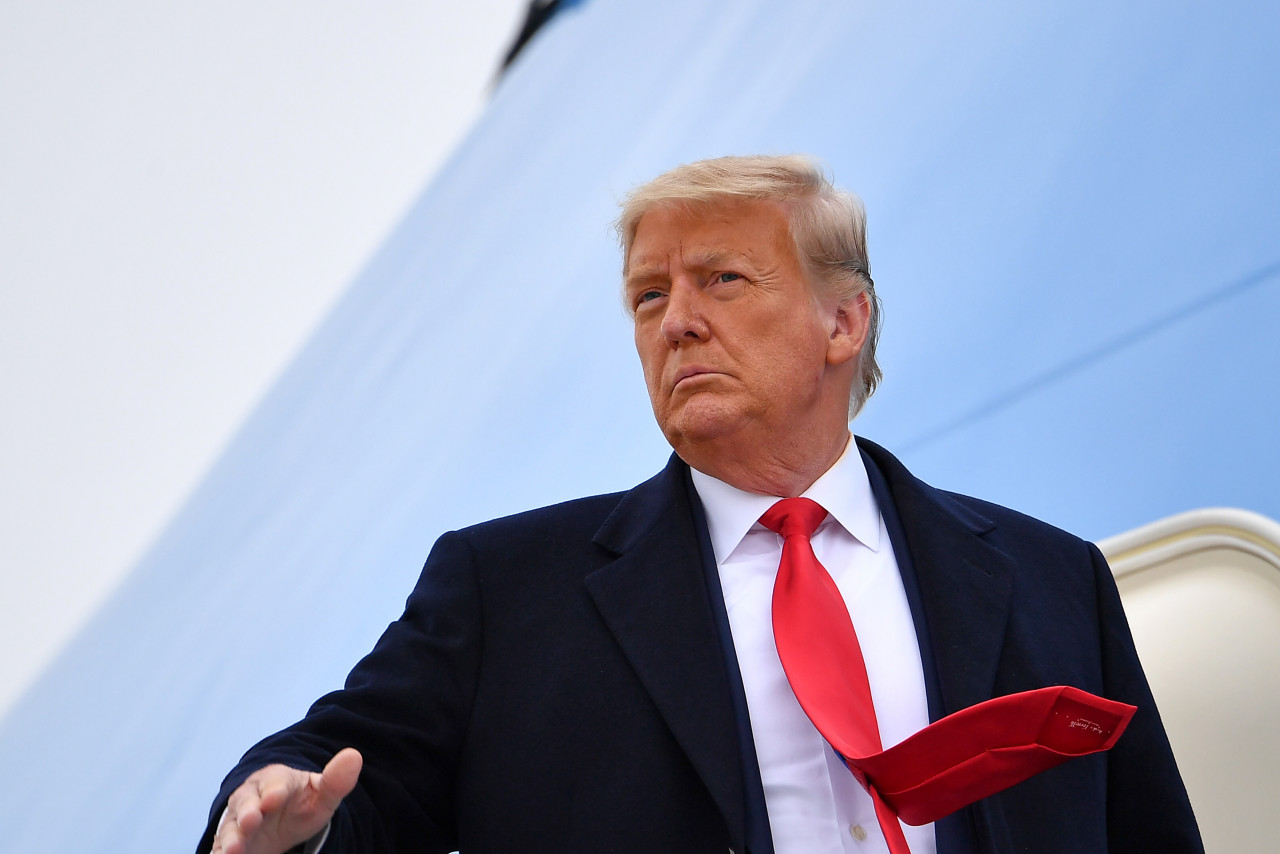
There is also the tight US presidential election, which may see sweeping policy changes if tycoon Donald J Trump regains the presidency he lost in 2020.
On top of it, are concerns over the supply chain and inflation which may have dipped for some food items but still high for healthcare items and a need to upskill Malaysian workers.
Given such external challenges and unrest, Kamal suggested a budget-driven to protect the economy better and cushion the downside to external wars. However, it is easier said than done due to the country's reliance as a trading nation.
He said that domestic pillars of growth such as housing need to be consolidated, and he offered support to the scheme to provide down payment incentives to first-time young home buyers and to roll out critical infrastructure to alleviate congestion and fight the severity of climate change.
"Investments in technology are also crucial. More allocations are needed here."
Need for alternative markets
In an interview, the former deputy vice-chancellor (academic) of Universiti Sains Malaysia said that the country also needs to locate alternative markets and logistic routes if the current conflicts get in the way of trade and investments.
Already, the Penang Port Sdn Bhd, the operator of the nation's oldest port has cited that the Middle East conflict has hampered its shipping industry and container traffic.
He also said that the country needs to boost domestic consumption, which is about 50% of the national economic output, but it cannot rely on the unpopular pension funds or handouts to stimulate spending.
Instead, Kamal urged the authorities to seek new forms of funding and to entice employers to hike the wages of their workers to cope with the living costs.
Kamal does not expect the living costs issues to be mitigated immediately, as it is a fundamental issue with the country's reliance more than ever on food imports to sustain its gastronomic cravings.
"But efforts to ensure better food security must be in place to ease the burden of reliance on imports," Kamal said.
"Although the budget is for one - year, we must plan. Planning is crucial in trying to sustain growth and in weathering the unexpected risks such as the conflicts now."

Focus on healthcare
This includes focusing on healthcare by trying to rein in runaway costs, he stressed.
One area is to continue the need for reforms in various economic sectors, especially in ensuring that the civil service is tuned to meet the needs of the private sector and to reduce wastage - optimising the value of returns from efficient expenditure, he said.
He underscored the need for a National Economic Reset or Reform Council to serve as a navigational guide and referral point for the country.
This, said a veteran economist, would help to execute essential reforms to steer it from the horrors of a stagnant economy.
He said the council or even a task force can ensure the implementation is carried out comprehensively at the macro and micro levels of the economy.
While there are signs that the country is moving out of the rut following the pitfalls of the Covid-19 pandemic legacy of supply chain bottlenecks and record high inflation, Kamal nonetheless cautioned that more needs to be done now. - October 15, 2024.