By Murray Hunter
IN the world of international relations and business, Memorandums of Understanding (MOUs) are often hailed as flexible tools for cooperation.
They allow parties, governments or corporations to signal intent, outline frameworks for collaboration, and move forward without the immediate rigidity of formal treaties.
Yet their fundamental weakness is glaring; MOUs are not legally binding agreements. They represent goodwill, political expediency, or strategic posturing rather than enforceable commitments.
The recent flare-up in the Gulf starkly illustrates this reality.
An MOU, as the saying goes, is not worth the paper it is written on when interests clash and power dynamics shift.
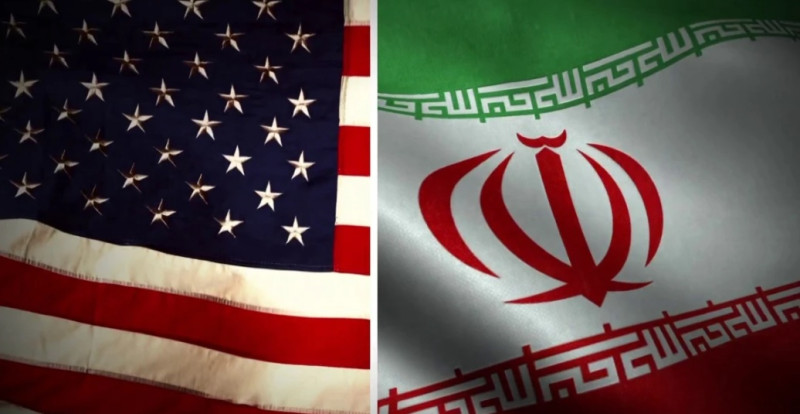
Just weeks after the United States and Iran signed a 14-point MoU on June 17, 2026, which was intended to end hostilities, ensure safe passage through the Strait of Hormuz, and set the stage for broader de-escalation, the agreement has unravelled.
Iran allegedly attacked commercial tankers in the Strait, prompting US retaliatory strikes on targets in southern Iran, including ports and infrastructure.
Iran then responded by targeting US military sites in Bahrain and Kuwait. Blasts were reported, oil prices spiked, and global markets trembled.
What began as a tentative framework for peace has dissolved into familiar cycles of accusation and retaliation.
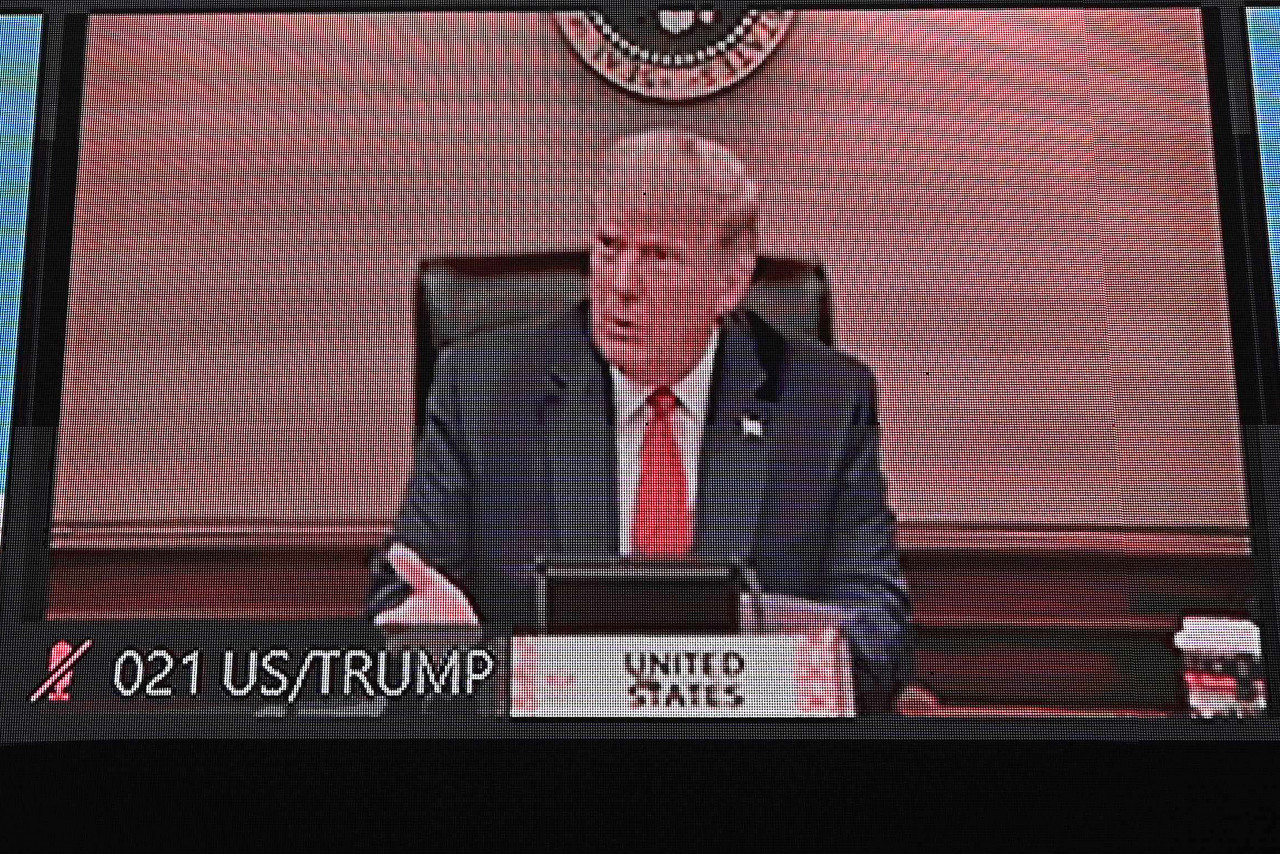
At a NATO summit, President Donald Trump was blunt.
Asked about the situation, he declared the US-Iran MOU “over.”
“I don’t want to deal with them anymore. They’re scum. They’re led by sick people… As far as I’m concerned, it’s over.”
His language was characteristically unfiltered, dismissing further engagement.
Iran condemned the US strikes as a “blatant act of aggression,” vowing a “crushing response.”
Iranian Foreign Minister Abbas Araghchi pushed back against Trump’s “vulgar” remarks, emphasising Iranian resolve: “We do not answer vulgarity with vulgarity, but with action.”
Parliament Speaker Mohammad Baqer Qalibaf echoed this, declaring, “The era of bullying and extortion is over.”
This episode reveals deeper truths about MOUs in high-stakes geopolitical contexts.
Unlike treaties ratified by legislatures with clear enforcement mechanisms, MOUs rely on mutual self-interest and the threat of consequences for violation.
In business-government or government-government dealings, they serve as low-commitment starting points, only really useful for testing waters or buying time.
However, when one side perceives advantage or provocation, they evaporate. The Strait of Hormuz, which handles around 20% of global crude oil and natural gas, was a core element of the June MOU. Iran agreed to facilitate safe passage while asserting rights to regulate traffic and potentially collect fees.
Interpretations diverged immediately.
Ships attempting passage without “authorisation” became targets, in Tehran’s view.
The US saw this as an outright violation.
The US strategy appears aimed at gaining leverage.
By striking Iranian targets, Washington seeks to deter interference with shipping and pressure Iran on broader issues, including charges or “services” for vessels transiting the Gulf.
This fits a pattern of using military posture to enforce compliance where diplomatic paper falls short.
Yet the risks are immense and multifaceted.
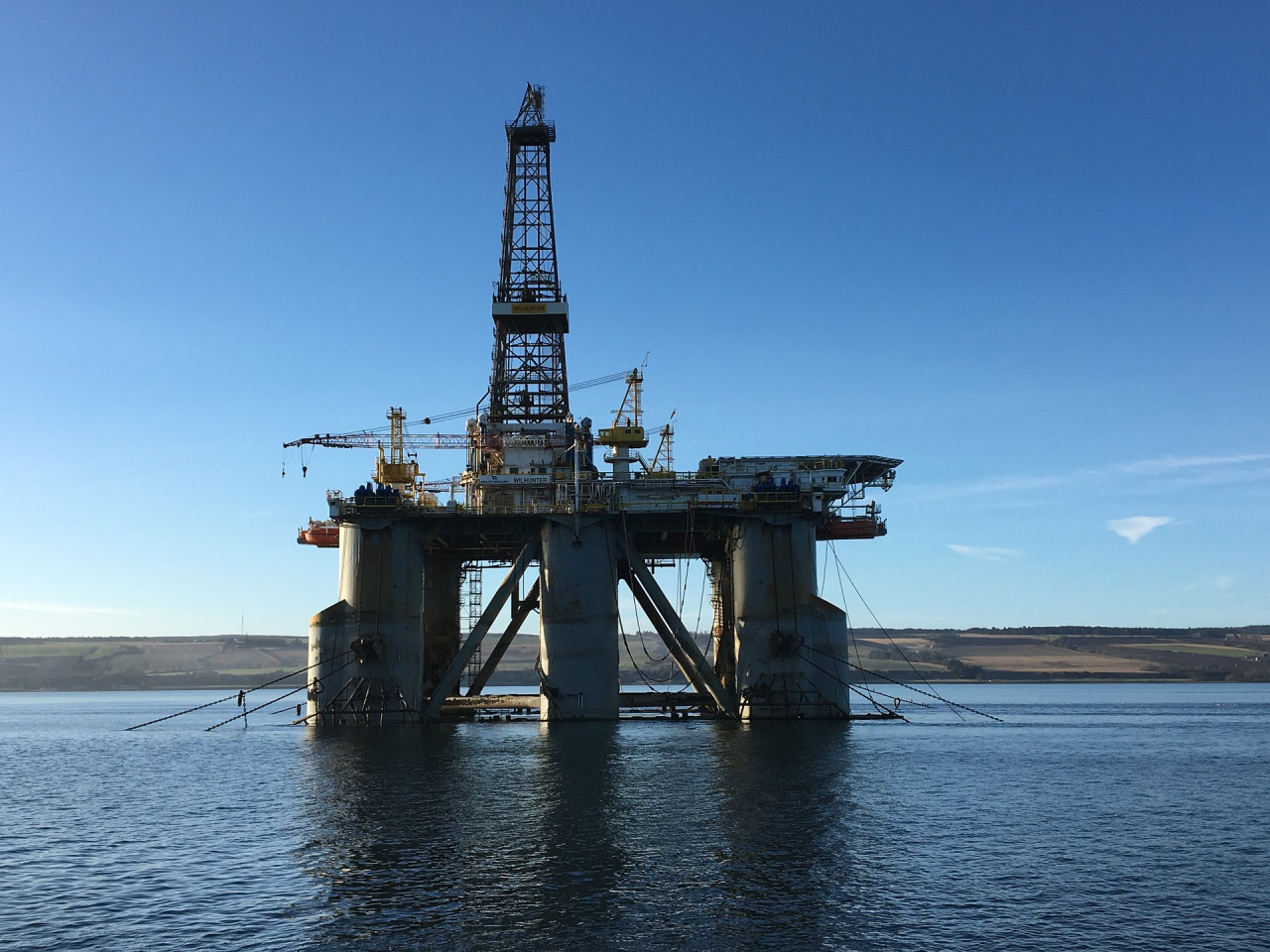
Oil prices surged 5% initially toward USD78 per barrel, with potential to revisit USD120 levels seen in earlier phases of conflict.
A prolonged disruption could trigger broader economic pain.
Houthis or Iranian proxies might intensify Red Sea disruptions.
Critical oil facilities across Iran and Gulf states could face destruction.
Undersea internet cables in the region remain vulnerable.
Escalation could draw in other actors, destabilising energy markets and global supply chains.
The timing of the attacks adds another layer of provocation.
They occurred amid sensitive moments for Iranian leadership, potentially agitating hardliners and complicating internal politics.
For Trump, with US midterm elections looming, a firm stance against Iran projects strength to domestic audiences wary of perceived weakness.
However, this brinkmanship carries domestic costs if energy prices spike and inflation returns.
Meanwhile, China’s influence as a constraint on Iran through economic ties and diplomatic channels may now be viewed differently in Washington.
Beijing has stakes in regional stability for its own energy imports, but shifting alliances could alter the calculus.
Iranian responses draw on narratives of resistance and sovereignty, rooted in decades of perceived external interference. US actions reflect a transactional worldview where deals are tools until they are not.
Both sides operate in environments where signalling matters more than legal niceties. MOUs thrive in stable, trust-building phases but crumble under pressure because they lack the teeth of binding arbitration or automatic sanctions regimes.
This Gulf episode is a textbook case study in the limitations of informal agreements. They allow movement where full treaties are politically impossible, yet they foster ambiguity that breeds misunderstanding.
Parties can claim adherence while interpreting terms to suit immediate needs. When push comes to shove, raw power through either military, economic, or rhetorical means, outcomes are decided through actions, not signatures on paper.
The broader lesson extends beyond US-Iran relations.
In an era of multipolar tensions, from trade disputes to regional security pacts, MOUs will proliferate as pragmatic shortcuts. Businesses negotiating with governments, or nations forging temporary alignments, should treat them as what they are: expressions of intent, not guarantees.
Due diligence, contingency planning, and clear exit ramps are essential.
Verifying interests that align with events time matters more than drafting elegant language.
As markets digest the latest volatility and diplomats scramble, the fragility of the June MOU stands exposed.
It was never a robust peace but a pause button.
The current strikes and counterstrikes confirm what practitioners have long known in geopolitics, especially in volatile chokepoints like the Gulf.
MOUs are sketchy documents at best.
They buy time, but rarely buy security. True stability demands deeper alignment or overwhelming deterrence, neither of which the paper alone can provide.
The Gulf has once again taught this lesson the hard way. – July 10, 2026