FREMANTLE – Even in the scorching Australian summer sun, long queues of customers snake around the harbour here – a soothing sight for beleaguered local fishermen trying to replace lost business with China.
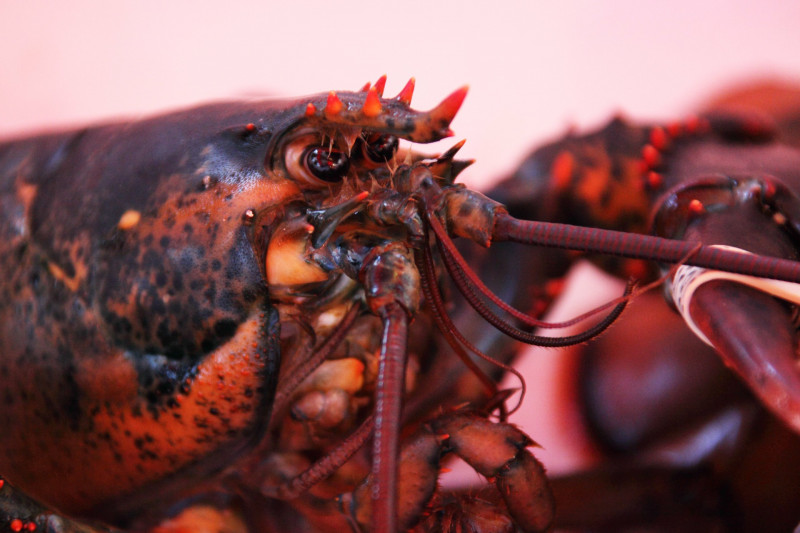
Australia’s rock lobster exports are worth half a billion US dollars a year – and in normal times, 94% of them go to China.
But all that changed a few weeks ago, when Beijing imposed a near-total import ban on lobster, part of a broader politically charged “shadow trade war”.
“It has affected us drastically,” third-generation fisherman Fedele Camarda told AFP.
“Our income has been reduced considerably.”
Relations between Canberra and Beijing have been in free-fall for most of the year, with China hitting out at a list of issues including Australia’s call for an inquiry into the origins of Covid-19 and a ban on Huawei’s participation in the nation’s 5G network.
The row has seen more than a dozen Australian sectors hit with import levies, with the barley and wine industries particularly badly hit. Exporters stand to lose as much as US$2 billion to US$4 billion (RM8.1 billion to RM16.2 billion) worth of sales.
So far, the broader Australian economy has weathered the storm. The economy returned to growth in the last quarter, exiting a Covid-19-induced recession.
But, individual businesses have been forced to find new customers and markets overnight to avoid red ink, job cuts or bankruptcy.
Close to home
Some barley farmers have planted other grains or rerouted shipments to the Middle East, and winemakers have focused on selling more in Japan.
However, the lobster industry is looking closer to home.
In a bid to help the ravaged sector, local authorities recently changed legislation to allow commercial rock-lobster fishermen to sell large quantities from the back of their boats during December and January.
So far, the public has responded enthusiastically, offering a much-needed lifeline to Camarda and his fellow vendors.
Before the Covid-19 pandemic, prices topped US$80 per kilogramme in Western Australia, and usually averaged around US$53.
On one muggy pre-Christmas weekday, sweat-drenched customers bought the world-renowned western rock lobster direct on the quay for US$34 a kilogramme – a 36% markdown.
“That’s just enough to break even,” said Camarda.
“But we have been selling out almost every day. We are taking pre-orders as people want it for Christmas.”
Ensuring they were set up to manage orders and make the product available to the public had been “a crash course”, he said.
Such is the demand across Australia that some supermarkets have had to place limits on the number of lobsters customers can buy.
Nick Van Niekerk, a resident of nearby Mosman Park, was one of those braving the heat to stand in line for 30 minutes.
“I came down to support the local fishermen and show that we, as a community, care.
“It’s important to be able to get lobsters directly from the boats and know what you’re actually getting.
“Lobsters are usually really expensive, so to get them at an affordable price I think is great for the local community.”
The long haul
But, everyone acknowledges that back-of-the-boat sales are a short-term fix.
In the longer term, Australia’s fishermen are looking to get a higher price again in markets like Japan, the United States and Europe, and not just rely on one, politically fickle, customer.
“China was willing to pay more, and the whole market was essentially moved there,” said Keith Pearce, former president of the local Professional Fishermen’s Association.
“The market needs to be diversified, so you don’t end up with the problem we have today.”
Camarda is optimistic that the sector can pull though, despite the continued uncertainty.
His grandfather began dropping craypots here in 1912, having come from Italy four years earlier, and he hopes that the tradition can continue.
“My family have been in the industry for generations, but this is the sort of thing, we have to endure from time to time.”
His 21-year-old son, James, has begun fishing by his side on the Neptune III.
“It would be nice if he has the opportunity to make a career out of this, if he wants to go down that route.
“But, we are here for the long haul. We will find ways to survive.” – AFP, December 27, 2020