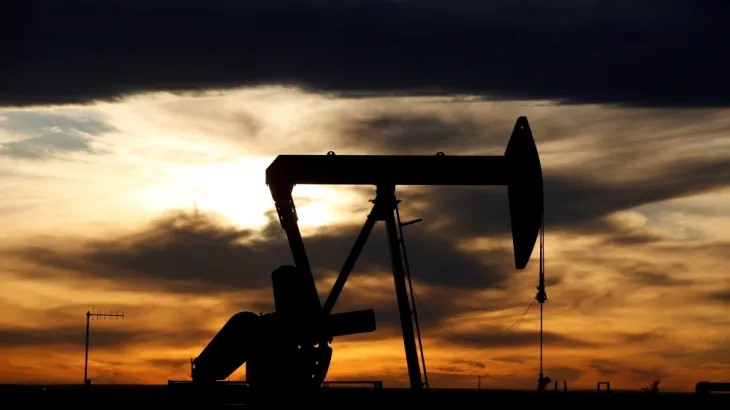
GLOBAL crude oil prices held firm on Thursday, with benchmark prices remaining elevated as persistent geopolitical tensions in the Middle East continued to fuel concerns over energy supplies and maritime trade.
Crude oil was trading above US$84 a barrel, while Brent crude hovered near US$92 a barrel, following weekly gains of more than 3 per cent as markets remained on edge over the stalled dialogue between the United States and Iran and tensions surrounding the Strait of Hormuz.
US President Donald Trump said oil shipments through the strategic waterway remained operational, while indicating that Washington could resume discussions with Tehran at a later stage.
Geopolitical risks were further heightened after the United Arab Emirates suspended economic and financial transactions with Iran following allegations that ballistic missiles had been fired towards its territory.
Despite the escalation, Gulf oil producers have continued exporting crude through alternative transport routes and less exposed shipping channels, helping to mitigate immediate supply concerns.
Meanwhile, the latest data from the US Energy Information Administration showed domestic crude inventories rose by 4.4 million barrels last week.
The increase came despite a 1.5 million-barrel decline in distillate inventories, which fell to a multi-week low and provided some support to oil prices.
In currency markets, the US dollar index fell below 99 on Wednesday, reaching its weakest level since late May.
The decline followed the US Treasury’s announcement that it would double the scale of its long-term debt buyback programme, a move aimed at managing long-term Treasury yields while improving liquidity in global dollar markets.
The currency weakness comes amid broader efforts to ease pressure in foreign exchange markets, including reported coordination between Japan and the United States.
US Treasury Secretary Scott Bessent has also backed an expansion of the Federal Reserve’s Foreign and International Monetary Authorities (FIMA) repo facility as a means of strengthening international dollar liquidity without requiring direct currency-market intervention.
At the same time, minutes from the latest Federal Open Market Committee meeting showed that some policymakers continued to see a case for higher interest rates, underscoring uncertainty over the US monetary policy outlook.
The combination of heightened geopolitical risks, resilient oil prices and a softer US dollar is expected to keep global energy and financial markets sensitive to developments surrounding the Middle East and the Strait of Hormuz. - August 20, 2026
.jpeg)