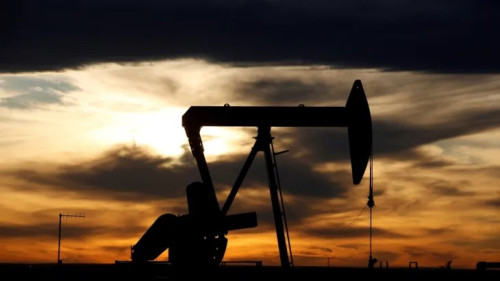
A MARITIME expert has urged Prime Minister Datuk Seri Anwar Ibrahim to position Malaysia as a regional marine-fuel hub to generate greater economic value from the country’s petroleum and palm oil resources.
Datuk Seri R. Jeyenderan said Malaysia was well placed to develop the industry given its access to petroleum and palm oil, established storage facilities and ports, as well as its strategic location along major international shipping routes.
“Indonesia is similar to Malaysia. It has petroleum and palm oil, while the Philippines has coconut oil. These are resources that can be explored for the marine-fuel industry,” he said in a statement today.
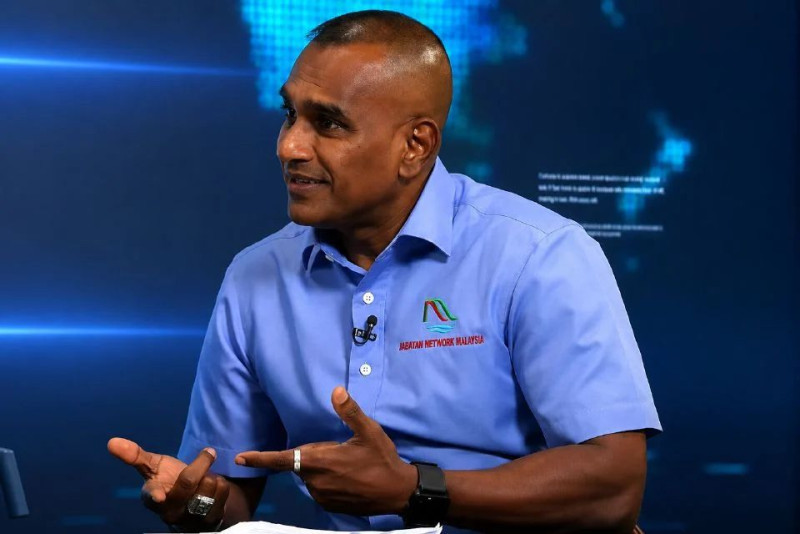
The chief executive officer of Maritime Network Sdn Bhd, who has more than 30 years of experience in the maritime and shipping industry, said disruptions to oil supplies had increased demand for fuel in Asia, creating an opportunity for Malaysia to supply more petroleum and marine fuel to countries in the region.
He said Malaysia had the resources and infrastructure needed to produce and supply Very Low Sulphur Fuel Oil (VLSFO), a cleaner-burning marine fuel containing very little sulphur.
“We could make more money from oil cargo by doing more of the work locally, including mixing the fuel, storing it and selling it to ships, instead of simply receiving and moving the cargo. We have petroleum, palm oil, storage facilities and ports.
“We should make better use of these resources and create more value for Malaysia. It was reported that Malaysia’s direct tax collection last year reached RM203.991 billion, while our neighbouring country collected RM310.38 billion in tax revenue. Actually, we can make more as we have all the resources,” he said.
Jeyenderan said developing Malaysia as a regional VLSFO blending and bunkering hub could create more business opportunities in fuel storage, trading, shipping, transportation and bunkering.
He said Malaysia’s strategic location along major international shipping routes was another major advantage, with large numbers of vessels passing through the country’s waters.
However, Jeyenderan said clear rules were needed to ensure petroleum cargo entering Malaysia, particularly cargo declared under Customs Form No. 8 (K8), was properly recorded and tracked when stored, transferred or blended.
“We need clear rules on what can be done with the cargo after it enters a storage tank, especially when different petroleum products are mixed. This is important to protect government revenue and give businesses certainty,” he said. – September 6, 2026