COLOMBO – An import ban in cash-strapped Sri Lanka is leaving a bad taste in the mouths of its curry lovers, depriving them of vital turmeric supplies and encouraging budding smugglers to take their chances with the spice.
With no foreign cash coming in as Covid-19 cripples the tourism industry, the government last March imposed a ban on many imports to stop money leaving the country, so that it can pay US$4.5 billion (RM18.2 billion) this year to service its international debt.
Cars, floor tiles and machinery parts are among the items prohibited, but it is a ban on turmeric that has the Indian Ocean island simmering with anger.
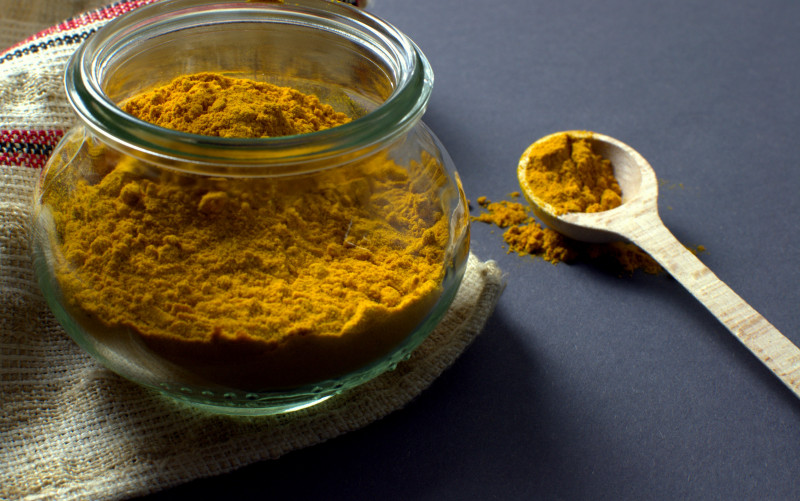
The aromatic root is a vital ingredient in curries and other local cuisine, and increasingly sought after as a health supplement.
However, only a fifth of the 7,500 tonnes that Sri Lanka consumes every year is produced locally.
Since the pandemic, demand has increased so much that prices have shot up by 20 times to an eye-watering US$48 a kilogramme – a week’s wages for many Sri Lankan workers.
“Our home-cooked curries are not the same since the pandemic,” said health worker Prarthana Weerasinghe, adding that many market varieties are now “adulterated”.
“We never thought turmeric would be such a big issue. We had taken it for granted. Now, we can’t afford to use it in our daily cooking.”
Customs agents recently found 25 tonnes of the spice smuggled into the country from India in containers marked “onions”, while navy patrols have seized several tonnes from Indian fishermen.
Those seeking the spice have watched on helplessly as officials burn seized turmeric at crematoriums, claiming they do not want to flood the market and depress prices.
The government said it wants to promote local production over cheap imports, as hundreds of thousands have lost their jobs and the economy recorded its worst-ever contraction of 3.9% last year.
On the skids
Prime Minister Mahinda Rajapaksa’s ban on “non-essential” items has also seen a surge in prices for other goods, including car tyres, floor tiles – and even toilets.
“There are no foreign-brand tyres available for small cars,” said a dealer here.
“Those who have stocks, have jacked up prices.”
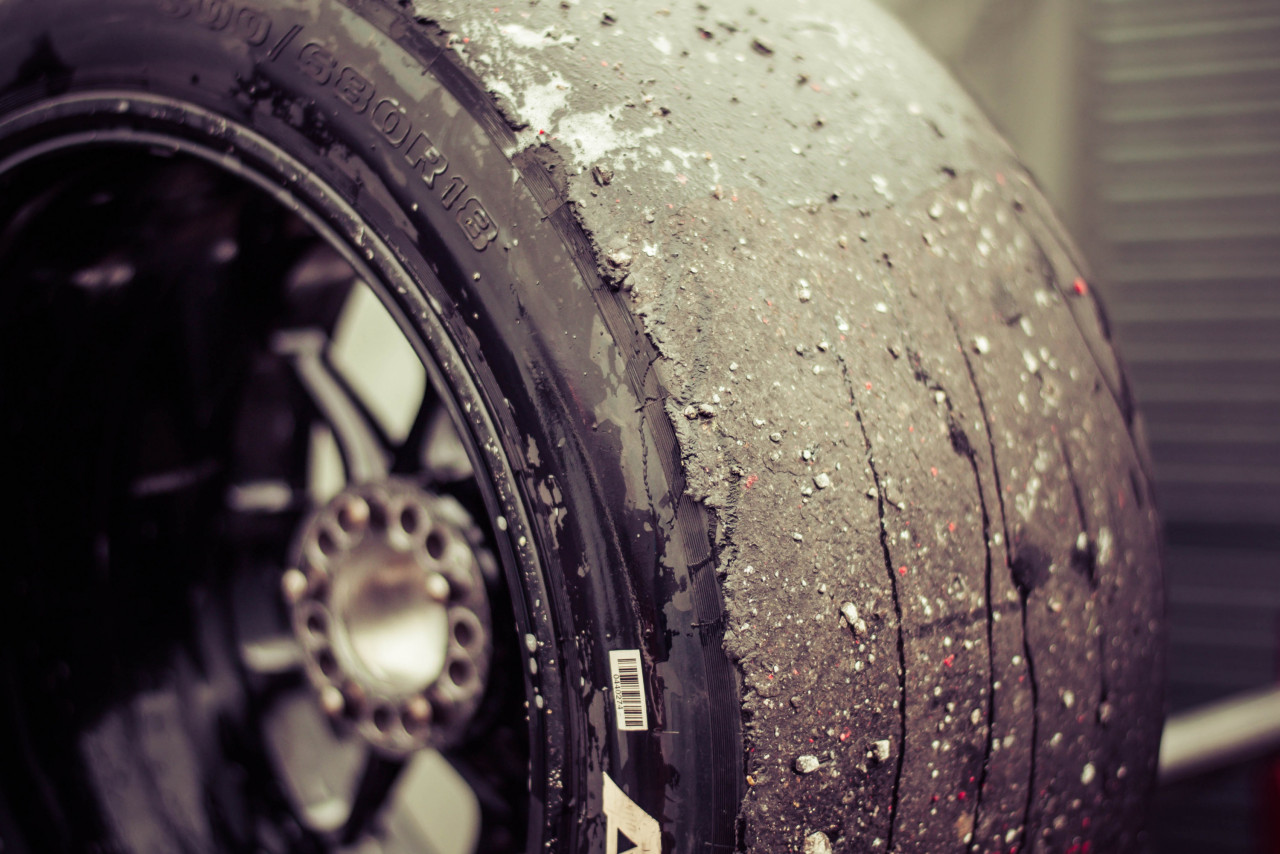
Kasun Chaminda said he has lost regular customers for his taxi operation because he is unable to buy new tyres.
“When they realised that I was unable to replace the worn tyres, they cancelled the (regular) hire. It is dangerous to run with worn tyres, but I have no choice.”
With no foreign competition, the share prices of local tile producers and makers of sanitary wear have soared fivefold in less than six months – making the tiny Colombo stock exchange a star performer during an economic crisis.
And with banks prevented from releasing dollars to finance car imports since March, the second-hand car market has also shot up, with the prices of used vehicles almost doubling.
Locally assembled cars, which are generally shunned as being of lower quality, are also suddenly sought after.
There are still those seeking foreign rides on the sly – customs seized 12 smuggled cars hidden in containers last month, with forged documents saying the containers were for a diplomatic mission.
EU warning
And, it looks like things will not get better anytime soon.
The initial three-month halt has now been extended until at least the end of 2021, and Sri Lanka’s trading partners are warning of possible retaliation.
The European Union, Colombo’s second-largest export market after the United States, said it could report the country to the World Trade Organisation.
But, the central bank’s economic research chief, Chandranath Amarasekara, told reporters on Friday that it is better to risk trade retaliation than lose foreign exchange to finance imports, and having to default on debt repayments.
Central bank governor W.D. Lakshman said the government is in talks with undisclosed foreign sources to raise between US$4 billion and US$5 billion needed for debt repayments this year.
The import ban led to a 20% fall in imports in the first 11 months of 2020, but they have eased Sri Lanka’s currency crunch and steadied the rupee, which tumbled against the dollar last year as reserves dwindled.
However, economic analyst W.A. Wijewardena said the “arbitrary” import ban could retard growth and spawn corruption.
He told AFP that it is draconian and “anti-poor, because it is they who have to go without”.
“It is not desirable to continue the ban for long.”
For Weerasinghe, sick to her stomach of adulterated turmeric on the market, “it is better to cook without”. – AFP, February 14, 2021