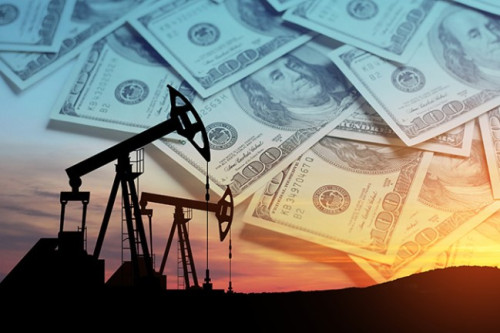
VIENNA – The world’s leading oil producers meet later today, with observers expecting an agreement to modestly boost output from August, after the United Arab Emirates (UAE) blocked a deal earlier this month.
Days of negotiations of the Organisation of the Petroleum Exporting Countries and its allies (Opec+) to continue to further ease production cuts ended without agreement on July 5, exposing a row between the world’s largest oil exporter Saudi Arabia and its neighbour.
Since May, the 23-member grouping, which also includes Russia, has raised oil output bit by bit, after slashing it more than a year ago when the coronavirus pandemic crushed demand.
A fresh deal would have seen the top oil producers raise output by 400,000 barrels per day (bpd) each month from August to December to help fuel a global economic recovery as the pandemic eases.
It also sought to extend a deadline on capping output from April 2022 to the end of 2022.
But in a rare challenge to Opec leader Saudi Arabia, the UAE slammed the proposed deal as “unjust”, leading to a stalemate.
The Opec+ meeting starts at 1000GMT with a post-meeting press conference scheduled just an hour later, according to the group’s Vienna-based secretariat.
Observers say that the fact that the press conference has been scheduled so soon is an encouraging sign that a deal is close.
“(The) Opec+ press conference is scheduled for 1pm Vienna time, just an hour after the start of the meeting, indicating a deal is close, if not already agreed. A flurry of talks were held on Saturday to try and close the gap,” tweeted Herman Wang, an editor of S&P Global Platts, which specialises in coverage of the energy industry.
Oil prices – which had already been sliding owing to concerns about the global economy – plummeted in April 2020 as coronavirus spread around the world and battered global consumption, transport and supply chains.
Opec+ decided to withdraw 9.7 million bpd from the market and to gradually restore supplies by the end of April 2022. Benchmark oil prices rebounded as a result.
Economic rivalry is at the heart of the feud between Opec members as the Gulf states try to cash in on their vast oil reserves as they face the beginning of the end of the oil era.
Disagreements between Saudi Arabia and UAE – once inseparable allies – are usually resolved behind palace walls and rarely spill into the open. – AFP, July 18, 2021