Business

BHP, workers’ union reach deal to avoid strike at major Chile copper mine

Local media reports agreement includes US$23,000 bonus per member, US$4,000 for extra days worked

Updated 5 years ago · Published on 14 Aug 2021 10:30PM

BHP, workers’ union reach deal to avoid strike at major Chile copper mine
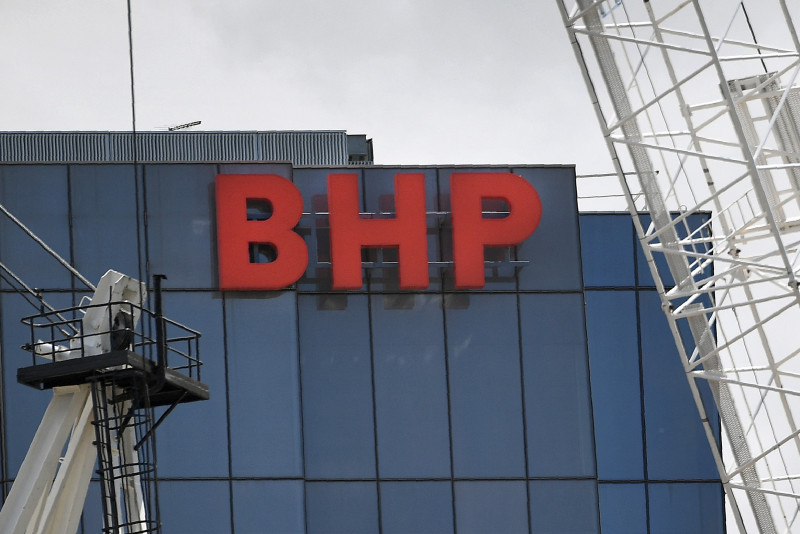
Anglo-Australian giant BHP says the conditions negotiated with the main workers’ union at the world’s biggest copper mine, Chile’s Escondida, will be in force for 36 months. – AFP pic, August 14, 2021

SANTIAGO – The main workers’ union at the world’s biggest copper mine, Chile’s Escondida, yesterday announced that it has reached an agreement with Anglo-Australian giant BHP to avoid a strike.

The union, which counts more than 2,000 members, said it has obtained “almost unanimous” approval for a new collective agreement proposed by the management, cancelling a strike notice it filed on July 31.

BHP earlier this week said negotiations have ended, “resulting in the final content of the collective contract and closing conditions”. However, the deal had then yet to be accepted by the union.

Neither BHP nor the union published the financial details of the agreement, although the company confirmed in a bulletin that the negotiated conditions will be in force for 36 months.

“This afternoon, after almost unanimous acceptance by our base, we formalised the signing of our new collective contract, which includes the gains obtained during collective bargaining,” said the union.

Local media reported that the deal includes a bonus for each union member of US$23,000 (RM97,460), as well as nearly US$4,000 for extra days worked, in addition to other provisions.

Workers at the Escondida mine announced their intention to strike after insisting their demands for a one-off bonus to recognise their work during the Covid-19 pandemic had not been met.

In 2017, workers staged a 44-day strike – the longest ever in the Chilean mining industry – that caused BHP to lose US$740 million and provoked a 1.3% fall in the country’s gross domestic product.

Chile is the world’s largest copper producer, with 5.6 million tonnes a year that make up 28% of global output, much of which is sold to China, the world’s biggest consumer.

Mining makes up 10% to 15% of Chile’s GDP and half of its exports. – AFP, August 14, 2021

Related News

Malaysia / 10mth

RM4.9b lost due to illegal electricity connections for cryptocurrency mining, bitcoin

Malaysia / 11mth

Homeowner slapped with RM300,000 bill after former tenant uses power for cryptocurrency mining

Malaysia / 1y

Sabah DCM I denies RM1.78m mining scandal claim, calls it political smear

Malaysia / 1y

MACC detains Sabah assistant minister linked to mining licenses issue 

Malaysia / 1y

Sabah mining scandal: Individual not protected under Whistleblower Act

Malaysia / 1y

Three to be charged in mining scandal, says MACC chief

Spotlight

Trump’s North Korea gamble deepens Asia’s doubts over US alliances

Malaysia

Rayer denies involvement in 'Maha Kali Red Rally', claims name and photo misused

Malaysia

E-Hailing driver charged with attempted murder after allegedly setting worker on fire

Business

Nation’s economic outlook strengthens as leading index signals continued growth

Malaysia

‘No parent wants her child to be remembered this way,’ says mother of 14-year-old Keziah

Malaysia

RM1.96m Penang land probe: Two ‘Datuks’ remain in custody

Business

K8 cargo: Businessman seeks clarification from MOF, Customs, Petronas

Malaysia

PH leaders hold talks as Melaka election plans take shape

Malaysia

Bersama rejects political alliances, vows to go solo in Melaka state election

You may be interested

Business

Nation’s economic outlook strengthens as leading index signals continued growth

Business

Govt rules out RM7.5b Datasonic takeover amid identity security concerns

Business

Oil prices pull back after rally as markets brace for tougher Iran sanctions

Business

K8 cargo: Businessman seeks clarification from MOF, Customs, Petronas

Business

Matrix Concepts records RM416.7m in 1Q27 sales as geographic diversification gains traction