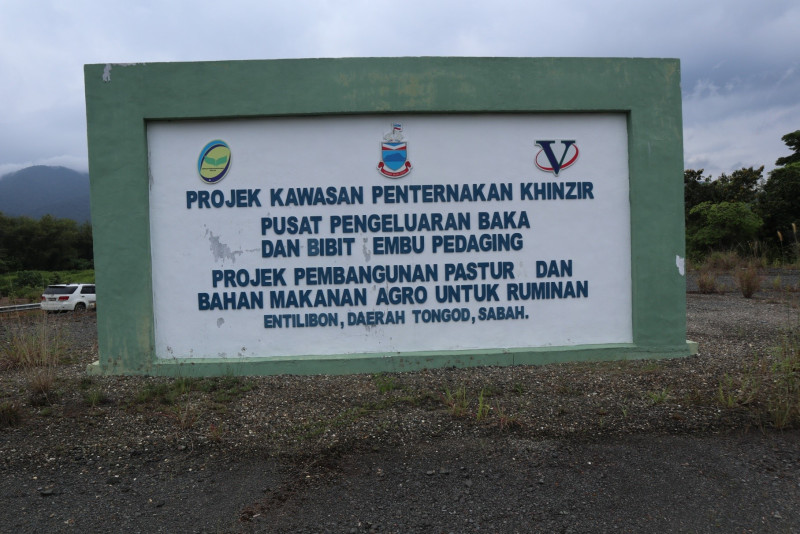

SANDAKAN – Within five years, the Sabah government will gradually relocate all 44 pig farms throughout the state to a centralised pig farm, which is the Pig Farming Area (PFA) in Tongod.
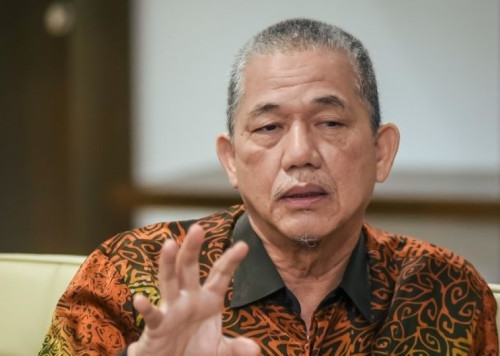
Sabah Agriculture and Fisheries Minister Datuk Seri Jeffrey Kitingan said that the 500-acre modern pig farm is expected to be completed next year, and pig farms from across the state will be moved to the PFA, under the Sabah Department of Veterinary Services.
“I was made to understand that once completed, PFA will become the most advanced pig farm in Malaysia. With its advanced technology (in treating waste) and clean environment, PFA will be able to solve the problem of pollution from pig farms all across the state.
“With PFA, the processing and production of pork in Sabah will be more organised, clean, and productive.
“It will give Sabah value-added and better quality pork, both for domestic consumption and export,” he told a press conference after he visited the PFA project site in Tongod yesterday.
The PFA project was planned since 2018 but was suspended due to the pandemic. With the project resumed, it is expected to be completed next year.
It is expected to create 500 new job opportunities and once fully operational, the facility could generate up to RM223 million (203,000 pigs) per year.
Currently, only the entry road has been constructed.
Other infrastructure that are still pending include the laboratories, farms, quarantine centres, butchering house, and processing plant.
Meanwhile, Jeffrey later told The Vibes that centralising pig farms in Sabah will not cause the pork price to increase in other parts of the state, including its west coast territories, which are further away from Tongod, located in the east coast’s Kinabatangan constituency.
“The price of pork will depend on demand and supply. I believe that once PFA is fully operational, better quality pork meat will become available.
“The cost of production may be reduced due to integration of facilities, economies of scale, among others; it may actually help to reduce the price of pork in Sabah,” he said.
Kitingan also said that the PFA will help the locals in Tongod as it will create job opportunities and at the same time provide other business opportunities related to the industry, which he expects to mushroom once it begins.
These opportunities include animal feed supplier, accommodation for the workers, services required for and by the workers as well as other logistics needs for the farms.
According to the briefing presented to Jeffrey, the PFA will be friendly to the environment as it will produce zero-waste discharge (utilising biogas digester to process its wastes), and it is located far from residential areas.
Pork from Sabah is in high demand for export to Sarawak and Singapore. Currently, the state is producing 8,642 tonnes of pork valued at about RM155 million per year.
Also present during Jeffrey’s visit were Telupid rep Jonnybone J Kurum, Sabah Agriculture and Fisheries Ministry’s permanent secretary Datuk Mariana Tinggal and the director of the Sabah Veterinary Services Department Dr. Normah Yusop.
On separate matter, Jeffrey said that he is confident that the Sabah government will be able to stop the spread of African swine flu, which has been devastating the population of wild boars or bearded pigs in the state.
“I am sure the problem can be tackled, and the population of wild boars, as well as domestic pigs in Sabah, will increase soon,” he said.
The bearded pigs in Sabah are reportedly under threat as their numbers dwindled significantly due to the African swine flu’s decimation of the state’s pig population since December 2020.
The Sabah Veterinary Services Department had also conducted mass culling of domestic pigs in certain districts to prevent the spread of the disease last year. – The Vibes, March 13, 2022