Business

Volvo Car Malaysia to assemble EVs in Shah Alam facility

Carmaker will be country’s first automotive brand with a completed plug-in hybrid line for all car models

Updated 4 years ago · Published on 18 Mar 2022 10:09PM

Volvo Car Malaysia to assemble EVs in Shah Alam facility
Volvo Car Malaysia managing director Charles Frump says that the XC40 Recharge Pure Electric model was just one of Volvo Car Malaysia’s many steps to encourage consumers to adopt EVs for a more sustainable future. – AFP pic, March 18, 2022

KUALA LUMPUR – Volvo Car Malaysia Sdn Bhd has unveiled its electrification plan, announcing that it will produce its first assembled electric vehicles (EV) by manufacturing completely knocked down EV units at its facility in Shah Alam, Selangor.

The carmaker will be the first automotive brand in Malaysia that has a completed plug-in hybrid line for all car models.

Volvo Car Malaysia managing director Charles Frump said the company is ready to implement its global plan for a fully electric line-up by 2030, starting with the launch of the XC40 Recharge Pure Electric model.

He noted that the XC40 Recharge Pure Electric model was just one of Volvo Car Malaysia’s many steps to encourage consumers to adopt EVs for a more sustainable future.

“By mid-decade, Volvo aims to reduce its overall carbon dioxide (CO2) lifecycle emissions per car by 40%. This means more than simply reducing tailpipe emissions – electrification is not enough. We must also reduce CO2 emissions across our operations and supply chain,” he said in a statement today.

Malaysia is the third largest automotive market in Asean, making the automotive industry a strategic part of the country’s manufacturing sector.

There are currently 28 manufacturing and assembly plants in Malaysia producing motor vehicles as well as automotive parts and components.

Malaysian Investment Development Authority (Mida) chief executive officer Datuk Arham Abdul Rahman said Volvo Car Malaysia’s project would encourage similar investments in line with the government’s National Investment Aspirations and environmental, social, and governance goals.

“Moving forward, we hope to develop our very own EV industry and its ecosystem,” he added.

As of 2021, MIDA had approved 36 projects within the energy-efficient vehicle ecosystem with approved investments amounting to RM1.9 billion.

Most of the approved investments were from foreign sources amounting to RM1.1 billion (58%), while the remaining RM0.8 billion (42%) were from domestic direct investments. – Bernama, March 18, 2022

Related News

Malaysia / 2w

Dozens of trees fall in Damansara; several vehicles damaged

Off beat / 1mth

Time to look beyond manufacturing and tourism sectors, says Penang CM

Malaysia / 5mth

NS crisis: Umno-BN Excos told to vacate offices, return official vehicles today

Malaysia / 6mth

Heatwave: Public advised to limit outdoor time, stay hydrated - MOH

Malaysia / 6mth

New hire purchase rules to benefit borrowers, minimal impact on banks

Business / 6mth

US investigates manufacturing overcapacity in 15 economies, including Malaysia, EU

Spotlight

Malaysia

Five fatal helicopter crash victims honoured in Sarawak state awards

Malaysia

No Malaysian is left behind; Budget 2027 puts people first - Anwar  

Malaysia

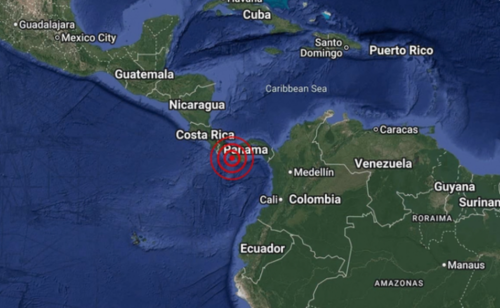
Panama hit by 6.4-magnitude earthquake

Malaysia

Haze blankets 33 areas with unhealthy air

Malaysia

Malaysia’s 2027 Budget is a steady one: people-oriented continuity rather than bold reform

Malaysia

Budget 2027: What is in it for me?

Malaysia

Budget 2027 steps up Sabah, Sarawak funding by RM2.2b amid push for development parity

Malaysia

Budget 2027: Maternity leave entitlement increased, minimum pension raised to RM1,350

You may be interested

Business

Budget 2027 targets foreign e-commerce platforms, channels billions into local firms and startups

Business

Oil slips on Trump’s Iran remarks, but supply risks and strong US dollar keep markets on edge

Business

Budget 2027 channels RM270m to SMEs through crowdfunding, P2P financing

Business

Malaysia draws US$9.5b in orders for US$1.5b sukuk, cuts borrowing costs