
GEORGE TOWN – The Finance Ministry should look into tax relief for parents who enrol their children in technical vocational training and education (TVET) and STEM (science, technology, engineering, and mathematics) studies, said InvestPenang ahead of the budget tabling at year end.
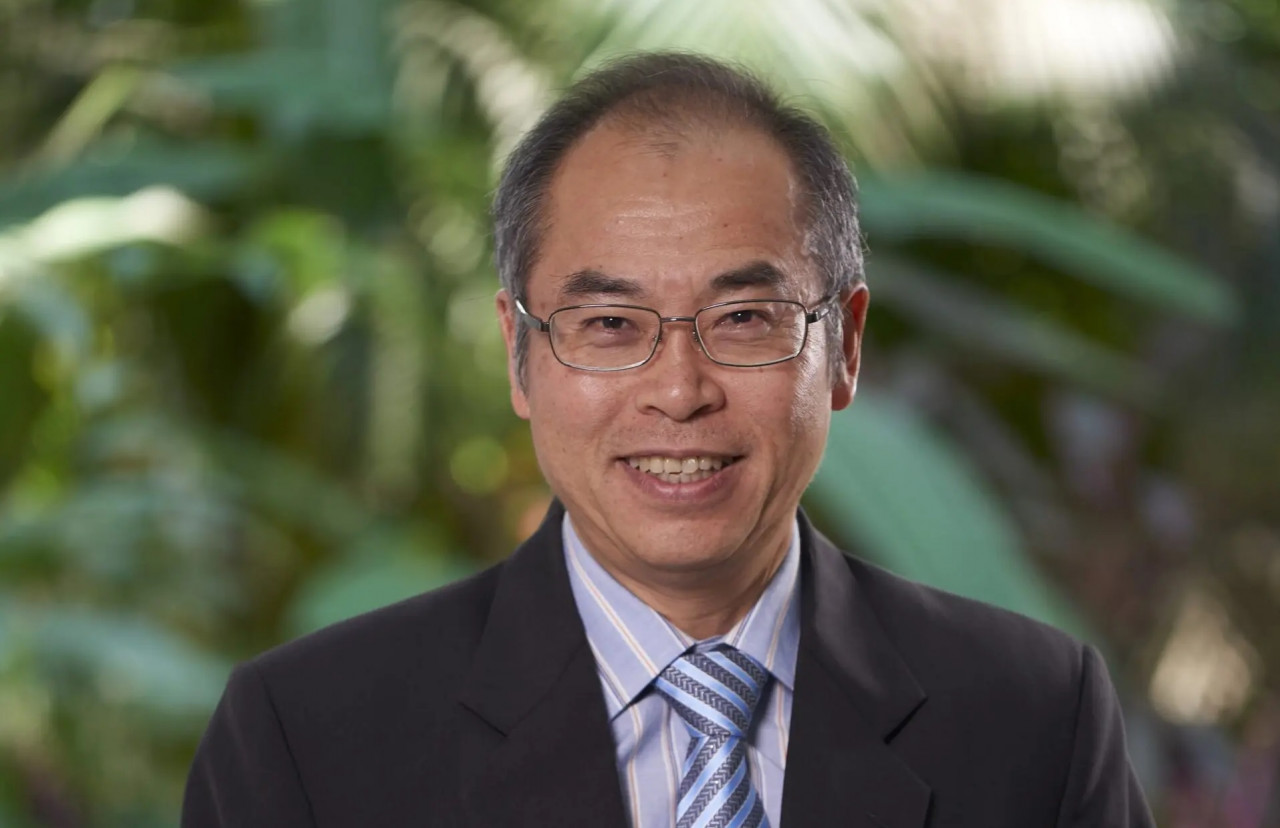
InvestPenang director Datuk Seri Lee Kah Choon said the government could also consider subsidising tuition fees for TVET and STEM education, if it wants to enhance the manufacturing sector, especially in the electronics and electrical category.
He added that the tax relief could serve as an encouragement for parents in guiding their children towards choosing STEM education.
For TVET students, the government should provide matching allowances, covering both tuition fees and living expenses for companies that sponsor students and offer them full-time jobs upon graduation, he said.
He said Penang, in particular, is in dire need of human resources seeing that the state recorded RM6.3 billion in approved manufacturing investments in the first quarter of this year while netting RM76.2 billion in approved manufacturing investments last year.
Lee, who is also special investment adviser to the Penang chief minister, told The Vibes that more than 20,000 job opportunities are expected from approved manufacturing investments between last year and March this year.
In addition, the reopening of borders has pushed the need for at least 15,000 workers in the services industry.
“In order to become a high-income nation driven by advanced technology, we need to put in place concerted efforts to ensure future-ready talent by realigning the labour market and improving the quality of education and training programmes.”
Many industry stakeholders have pointed to the current labour shortage as one of the main factors hampering the country’s economic recovery and prospects as a preferred destination for investors.
To remain relevant in the global value chain, Malaysia needs to create a sustainable talent pipeline in the STEM areas, and Lee suggested that financial allocations to institutions of higher learning be tied to the employability of the graduates they produced.
“Having matrices to monitor the employability of university graduates are crucial to ensure the resources invested by the government into education. And to provide human resource subsidies to the private sectors to enrol interns, subject to minimum internship allowance given.
“Additional incentives could be given to companies that offer undergraduates the industrial projects that can be part of their final year projects.”
Through a decent internship allowance, it could serve as a motivation for the university students to explore the career options, understand their fields of interest and to be more prepared in the workplace, he added.
He said with these subsidies, companies could afford to invest in more resources to train the interns. – The Vibes, July 25, 2022