BEIJING – China’s consumer inflation rose in July to a two-year high, official data showed today, with a surge in pork prices pushing up the cost of food.
Compared with other countries, consumer costs in the world’s second-biggest economy have not skyrocketed, largely spared the impact of a global surge in food prices after the Russian invasion of Ukraine.
China’s consumer price index (CPI), a key gauge of retail inflation, grew less than expected at 2.7% from a year ago in July, National Bureau of Statistics (NBS) data showed.
CPI rose slightly year-on-year “due to an increase in prices of pork, fresh vegetables and other food, as well as seasonal factors”, NBS senior statistician Dong Lijuan said in a statement.
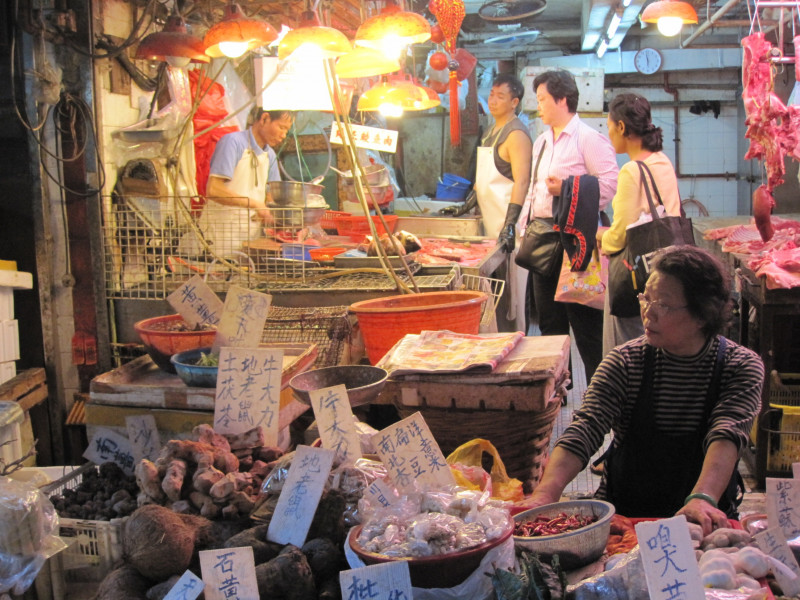
Food prices were up 6.3% year-on-year, with pork spiking 20.2% in July, she added.
Prices of the staple meat rose in part because of the reluctance of some farmers to sell – ostensibly to maximize profits – and a pick-up in consumer demand, according to the NBS.
While fuel prices were also higher than the same period last year, their growth rates have declined, Dong said.
“The headline rate has been lifted by fuel inflation and, more recently, a rebound in food inflation,” said Julian Evans-Pritchard, senior China economist at Capital Economics in a recent report.
He added that a weak labour market “may further sap price pressures”, and that he expects inflation to fall later this year.
The producer price index (PPI) – measuring the cost of goods at the factory gate – rose 4.2% in July, down from 6.1% in June, official data showed today.
This was lower than the expectation in a Bloomberg poll of analysts.
The NBS said this was influenced by a drop in international commodity prices such as crude oil and non-ferrous metals.
“The priority given to keeping factories open while restricting many consumer activities has meant that, domestically, lockdowns have been disinflationary,” Evans-Pritchard added in his earlier report.
“Unlike elsewhere, stimulus has targeted investment rather than household spending.” – AFP, August 10, 2022