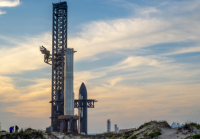
LOS ANGELES – Elon Musk’s SpaceX satellites will connect directly to T-Mobile cellphones to provide service access even in the most remote places beyond the reach of cell towers from next year, the two companies announced yesterday.
The new service, which will work on existing cellphones and utilize SpaceX’s network of thousands of Starlink satellites in Earth’s orbit, will begin offering text messaging services from late 2023, with voice calls and data services expected to follow later.
“The important thing about this is that it means there are no dead zones anywhere in the world for your cell phone,” said Musk, in an announcement event held at SpaceX’s Starbase facility in Texas.
Musk said the service will save lives, giving the example of hikers who get lost and are currently unable to call for help.
“We will no longer read about these tragedies that happened where people get lost and if only they could have called for help they would be okay.”
Though satellite internet has existed for years, users currently require specialised hardware, such as Starlink terminals.
“This won’t have the kind of bandwidth that a Starlink terminal would have, but it will enable texting, it will enable images, and – if there aren’t too many people in the cell zone – you can even potentially have a little bit of video,” said Musk.
T-Mobile CEO Mike Sievert said he expects the new service to be free of charge on most cellphone plans, although there could be a fee for users on low-cost packages.
“It’s a lot like putting a cellular tower in the sky. Just a lot harder,” he said.
Competition in the satellite internet market is rapidly intensifying.
Amazon founder Jeff Bezos recently announced he intended to launch some 3,200 satellites.
Public institutions are also looking to get in on the act.
China has a plan to launch a constellation of 13,000 satellites called Guowang and the European Union wants to deploy roughly 250 by 2024.
While next year’s beta test launch will be restricted to the United States, Sievert said his company expects to expand to overseas markets with reciprocal roaming deals. – AFP, August 26, 2022