![[UPDATED] Food, non-alcoholic beverages push inflation higher, rise 6.9% in July](https://media.thevibes.com/images/uploads/covers/_large/24052022_-_Food_drink_beverages-Teh_Tarik__Roti_Canai_-_AZIM_RAHMAN_13.JPG)
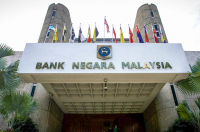
KUALA LUMPUR – Food and non-alcoholic beverages contributed to higher inflation in Malaysia, increasing by 6.9% in July while headline inflation rose to 4.4% in the same month, said Bank Negara Malaysia.
The central bank said in a statement that core inflation also increased to 3.4% in July, compared to June’s 3.0%.
It added that the increase largely reflected higher prices for discretionary services, such as food away from home (7.8%), due to improving demand amid the high-cost environment.
On headline inflation at 4.4% in July, BNM said this was “anticipated”, and was largely reflected in the base effect from the discount on electricity tariffs implemented in the third quarter of 2021, which contributed 0.5 ppt to headline inflation.
Meanwhile, the banking system recorded RM129.6 billion excess capital buffers as of end-July 2022, said the central bank.
Capital buffers refer to the total capital above the regulatory minimum which includes the capital conservation buffer of 2.5% and bank-specific higher minimum requirements.
In its July 2022 monthly highlights report released today, the central bank said banks remain well-capitalised to support economic recovery.
“Banks’ capital position remained strong to withstand potential stress and continue supporting credit flows to the economy.
“Banking system capital ratios improved in July, driven by half-yearly profit recognition and valuation gains on available-for-sale financial instruments as bond yields reversed marginally.”
BNM said sound asset quality underpinned bank resilience even as overall gross and net impaired loans ratio rose slightly to 1.85% (June: 1.78%) and 1.2% (June: 1.1%), respectively.
It added that loan loss coverage ratio, including regulatory reserves, remains at a prudent level of 112.8% of impaired loans – with total provisions accounting for 1.8% of total loans.
The banking system recorded RM41.1 billion of total provisions and regulatory reserves as of end-July. – The Vibes, August 30, 2022