Business

Kenanga maintains ‘overweight’ call on banking sector post-results

Medium-term outlook could be strained as 2023 GDP performance likely softer than 2022, says research house

Updated 3 years ago · Published on 06 Dec 2022 12:06PM

Kenanga maintains ‘overweight’ call on banking sector post-results
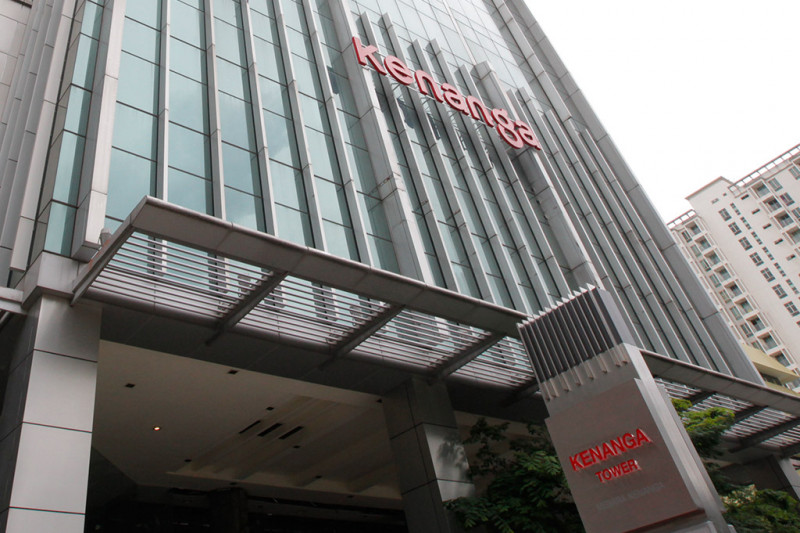
Assessing the banking sector, Kenanga Investment Bank Bhd says that while recessionary concerns may arise, pressing near-term risks were not seen due to prudent asset quality management. – kenanga.com.my pic, December 6, 2022

KUALA LUMPUR – Kenanga Investment Bank Bhd (Kenanga) has maintained its “overweight” call on the banking sector as the banks’ post-results prospects remained sustainable and resilient, with shifting fundamentals supportive of medium-term earnings.

While recessionary concerns may arise, pressing near-term risks were not seen due to prudent asset quality management, the research house said in a note today.

“For those with financial years ending December, the final fourth quarter 2022 (Q4 2022) is not expected to be fundamentally surprising as loans performance has already been cemented over the last nine months.

“That said, net interest margins (NIMs) may see a shake-up as ongoing competition for deposits only appears to be intensifying,” it said.

Kenanga also noted that the biggest earnings risk is unexpectedly high provisions on greater impairments and/or provisions, though most corporates are trailing behind their credit costs guidances, indicating a fair amount of room should the need arise.

However, it said that the medium-term outlook could be strained as the 2023 gross domestic product performance is expected to be relatively softer compared to 2022, which may translate to lower loans growth.

Additionally, the research house said that a higher overnight policy rate of 3.00% (should there be another 25 basis points hike during the January 2023 Monetary Policy Committee meeting) may also quell the appetite for mortgages.

Meanwhile, Kenanga said that a longer observation period may be needed to fully assess repayment concerns.

“The abovementioned stress on NIMs is also likely to only worsen. On the flip side, the impairment buffers and management overlays are due to be utilised by the banks, if not refreshed for further provisioning.

“Though not being accounted for as yet, an overall net write-back situation would drive sequentially stronger reported earnings, while normalised tax rates with the lapse of the prosperity tax would bode well for earnings,” it added. – Bernama, December 6, 2022


Related News

Malaysia / 4w

Guan Eng meets PM over greater monetary relief for MSMEs

Malaysia / 1mth

Banks need to do more to help counter rising costs of living – Guan Eng

Malaysia / 5mth

New hire purchase rules to benefit borrowers, minimal impact on banks

Business / 1y

More mid-sized banks needed to fuel SMEs, says economist

Opinion / 1y

Time to give a Ringgit to the poor and not rob them

Business / 1y

Distributive trade growth forecast for Malaysia, projected at 6.5% increase in 2025

Spotlight

Malaysia

RM245m Penang Hill cable car project 32 per cent complete - CM

By Ian McIntyre

Malaysia

Six locals charged over alleged kidnapping of Singaporean couple in Johor

Malaysia

PM: No political, racial or religious shield for those found guilty in TH, Felda probes

Malaysia

Singapore security guard jailed 14 days, fined RM7,000 for insulting Islam

Health

Dengue cases soar 56% to 58,079 as nation records 55 deaths

Malaysia

NGOs urge BERSAMA to put Indian community agenda on political radar

By Alfian Z.M. Tahir

Health

MOH warns seniors against unproven hydrogen inhalers

Malaysia

Former Tabung Haji CEO remanded seven days as MACC RCI probe deepens

Malaysia

21 held in KLIA-Nilai crackdown on alleged online love scam syndicate

You may be interested

Business

Robo.ai expects shareholders’ equity to turn positive after restructuring

By Alfian Z.M. Tahir

Business

Oil prices surge as US-Iran standoff, Ukraine strikes rattle global energy markets

Business

Independent review needed, not blind denial, to address US claims – maritime expert