
IT’S been nothing short of a nightmarish year for the local music industry, which like many other sectors, was ravaged by the Covid-19 pandemic.
Music venues were silent, and the mood was sombre in pubs, restaurants and concert halls throughout the country with the absence of live musicians.
Meanwhile, the musicians themselves were busy hawking their instruments, selling clothes, and food in flea markets just to earn a living and feed their families.
For many the only way to showcase their talents was over the Internet.
Event manager and Malaysian music industry advocate Jennifer Thompson says that while musicians and artists have pivoted to online performances, there is simply no replacement for live music under the new normal.
Affectionately known as Kak Jenn, the seasoned manager says audiences have generally not latched on to online concerts.
"They (audiences) feel they can just listen to Spotify instead of actively participating in concerts or festivals, the experience is way different from being physically present at shows," the general manager of entertainment company J TWO I Entertainment Sdn Bhd said.
"It takes a while to get fans to get used to watching concerts live online because they don't feel the urgency in buying tickets as they would with gigs or concerts. They tell themselves they can always do it (buy tickets) later but end up not doing so."
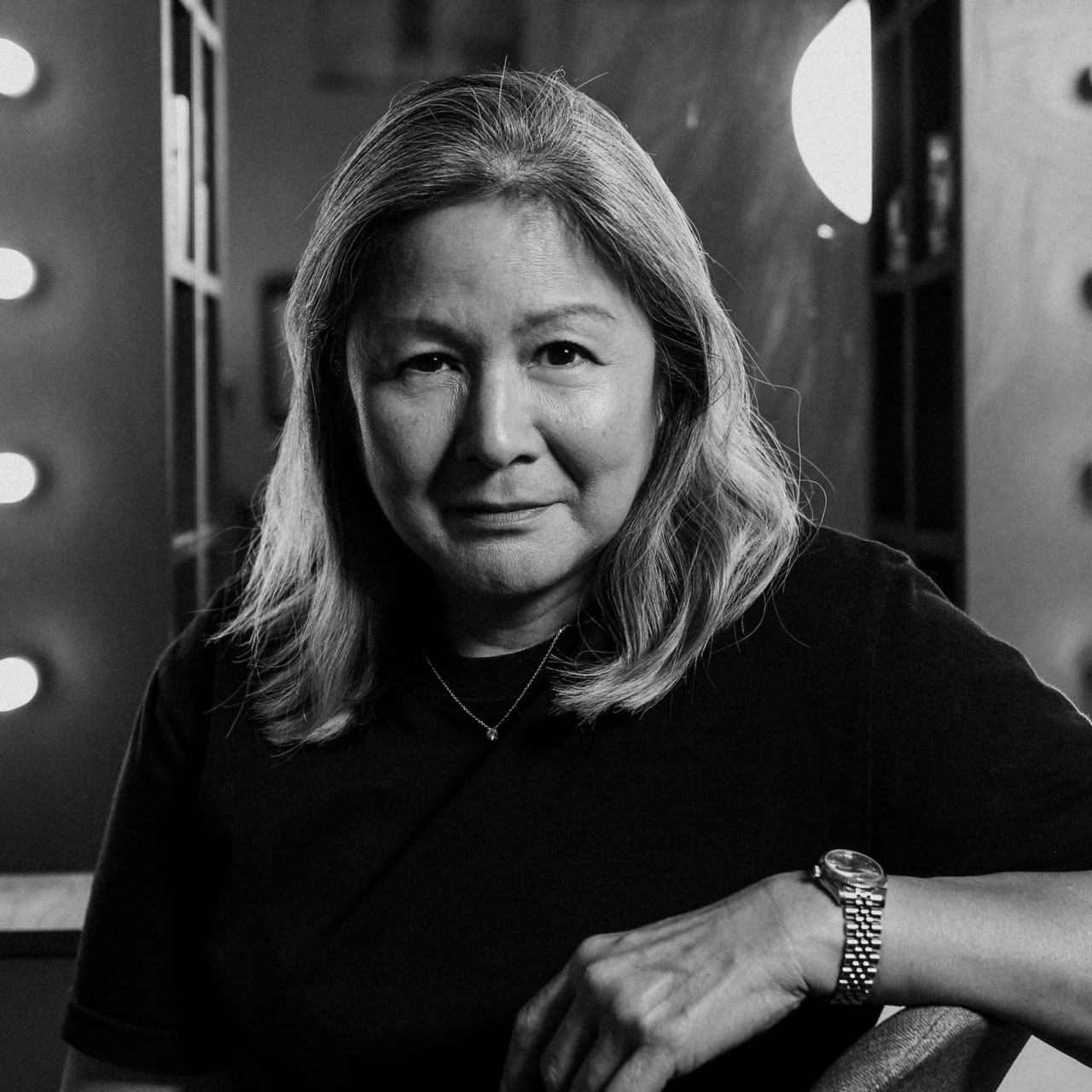
Jennifer, who also manages rap artist Aman Ra, also said: "It's very difficult to just make a living online, especially if artists don't have a high profile like Siti Nurhaliza, for example, or Hujan for the independent scene."
"Artists have found it hard to sustain themselves."
The proceeds made from online shows were also different in that they sometimes have bigger overheads, she said, adding that some live venues such as Angkasa Space in Bandar Sri Permaisuri, and Atas by Bijan FX in Kelana Jaya had turned into studios to survive.
"They've been doing a good job and for the amount of work involved, the returns are not enough for them to sustain.
"They need shooting teams and additional equipment such as cameras, apart from balancing the sound for broadcast and a lot of things that come at a cost."
On a lighter note, Jennifer said the pandemic and lockdowns have provided musicians time to promote their names online.
"But how long can we sustain that kind of business?"
"We still have to teach the audiences to start enjoying online shows and that is the worry. People love and want live music."
Jennifer believes live shows could make a comeback as soon as mid-2021, but this depends on the rollout of Covid-19 vaccines among the general population.
But even before that, she said the government must give some leeway for live shows and concerts to make a return in the near term.
"If people can go out shopping like hell, they should be able to go to live shows."
As for her advice to musicians riding out the storm, she says they must find ways to make their online shows unique and appealing.
"They must come up with concept shows such as the recent one done by Yuna at Aquaria, these must be shows with meaning."

International artists to return in mid-2022 "if we're lucky"
Live venue owners such as Rahul Kukreja, who operates The Bee in Publika, Solaris Dutamas, says his establishment has been closed for most of the year due to government restrictions.
He says the venue will be gradually opening next year for trials on private events, live streams, quiz nights and karaoke nights.
As for the ban on entertainment outlets operating during the conditional movement control order (CMCO), Rahul said the ruling was overbearing for venues such as The Bee.
"It feels like if you had entertainment and music that may involve somebody having alcohol, then you're pretty much done."
However, he noted that the situation was a ‘Catch 22’, where the situation could not be blamed on the government or venue owners or show organisers.
Since taking over the establishment in June 2019, Rahul said March was supposed to be the biggest month for The Bee as it had planned 11 big local shows, including three nights of Search and Awie, as well as eight international events.
"We were heading in the right direction but now we're in the negative."
Rahul, who is also the guitarist for popular rock band One Buck Short, says his main income comes from his international talent booking agencies – that broker deals between artists and labels – but this has grinded to a complete halt.
He predicts that international artists may only make a return to Malaysia in mid 2022 "if we're lucky".
Rahul also pointed out a recent stimulus package introduced in the United States under the auspices of the ‘Save our Stages’ campaign, which saw US$50 million (RM202.5 million) poured into independent live music venues.
"They realise how important local venues are, but I guess here (Malaysia) there are more important things to fund but this is a shame because everyone will be gone," he said.
"Times are tough and we're hoping for some kind of funding, but I don't think it's a priority (for the government)."
RM30 million royalty tussle
Compounding the current woes of the local music industry – especially among artistes – is the distribution of royalties that has made numerous headlines this year.
In October, the Malaysian Artiste's Association (Karyawan) had called on the Malaysian Anti-Corruption Commission (MACC) to launch a probe into a dispute involving RM30 million in unpaid royalties for recording artistes.
Karyawan president Datuk Freddie Fernandez had called on the anti-graft agency to investigate four royalty distribution bodies, Public Performance Malaysia Sdn Bhd (PPM), Recording Performers Malaysia Berhad (RPM), insolvent firm Performers’ Rights and Interest Society of Malaysia Berhad (Prism) and Music Authors Copyright Protection Berhad (MACP).
"The biggest problem now is that the RPM is not taking on a leading role so the government has to step in to do their work for them," Freddie told The Vibes.
"The body is not functioning and has exposed its biggest weaknesses. If you don't know how to do it (distribute royalties) you should ask how it's done and not be bodoh sombong (ignorant)."
Freddie also called the RPM's board members consisting Sheila Majid, Jaclyn Victor, and Anna Rafali the “three aunties who have been the biggest stumbling blocks'’ on the matter.
He also noted that the recent resignation of rapper Altimet – real name Syed Ahmad Syed Abdul Rahman Alhadad – showed cracks were appearing in RPM's armour.
"So RPM should convene immediately to re-elect a new board."
On live shows, Freddie, an industry veteran, said he hoped performances would be open soon.
"The sector for live entertainment has been hit badly as clubs and pubs have converted to restaurants and with no live music," he said.
"It's been a year to forget." – The Vibes, December 31, 2020
The top 5 releases from independent Malaysian musicians in 2020
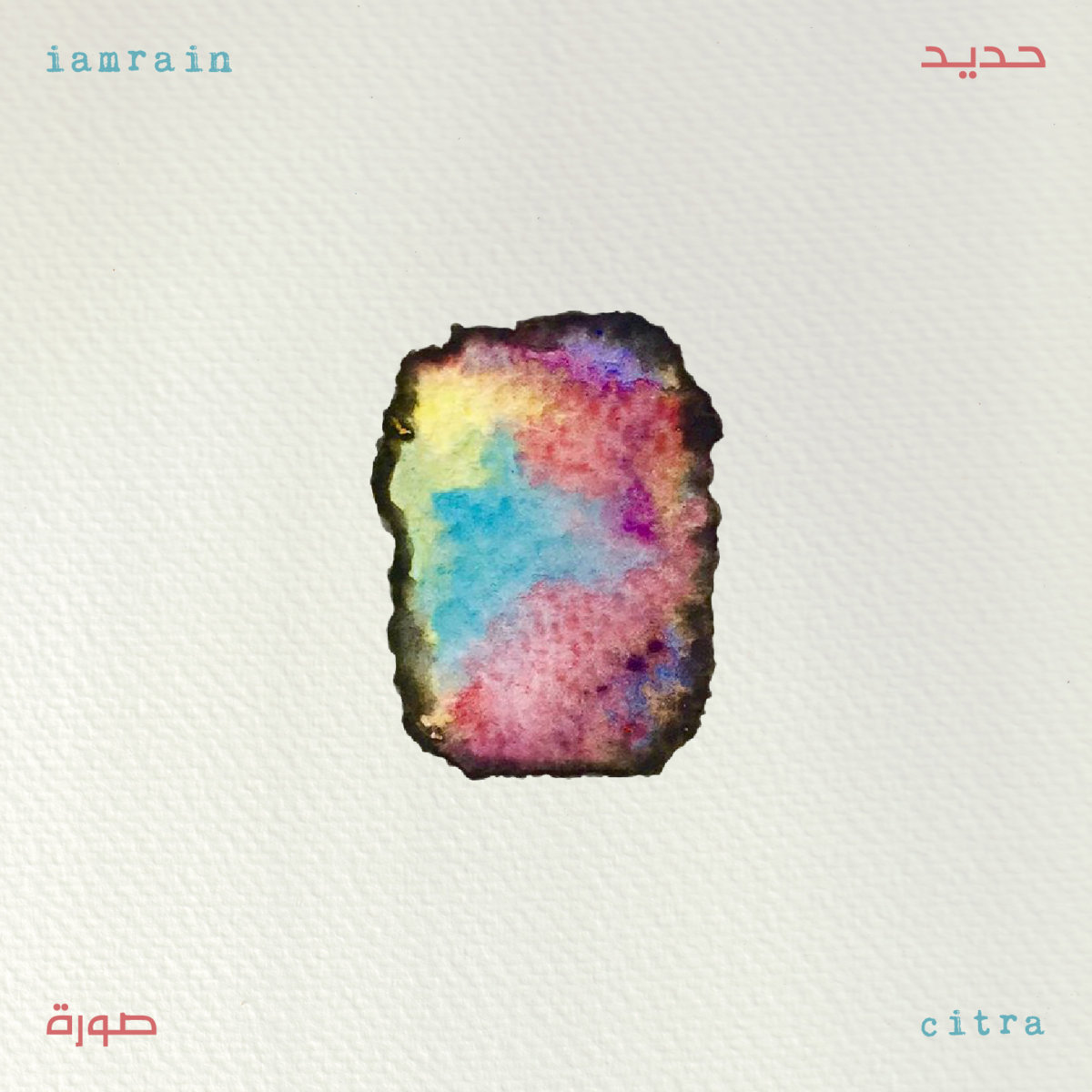
1. Iamrain - 'Citra' LP (released July 31)

2. Lust - 'Vantablack' EP (released December 3)
https://lustysounds.bandcamp.com/album/vantablack
3. Azmyl Yunor - 'John Bangi Blues' LP (released September 26)
https://azmyl.bandcamp.com/album/john-bangi-blues
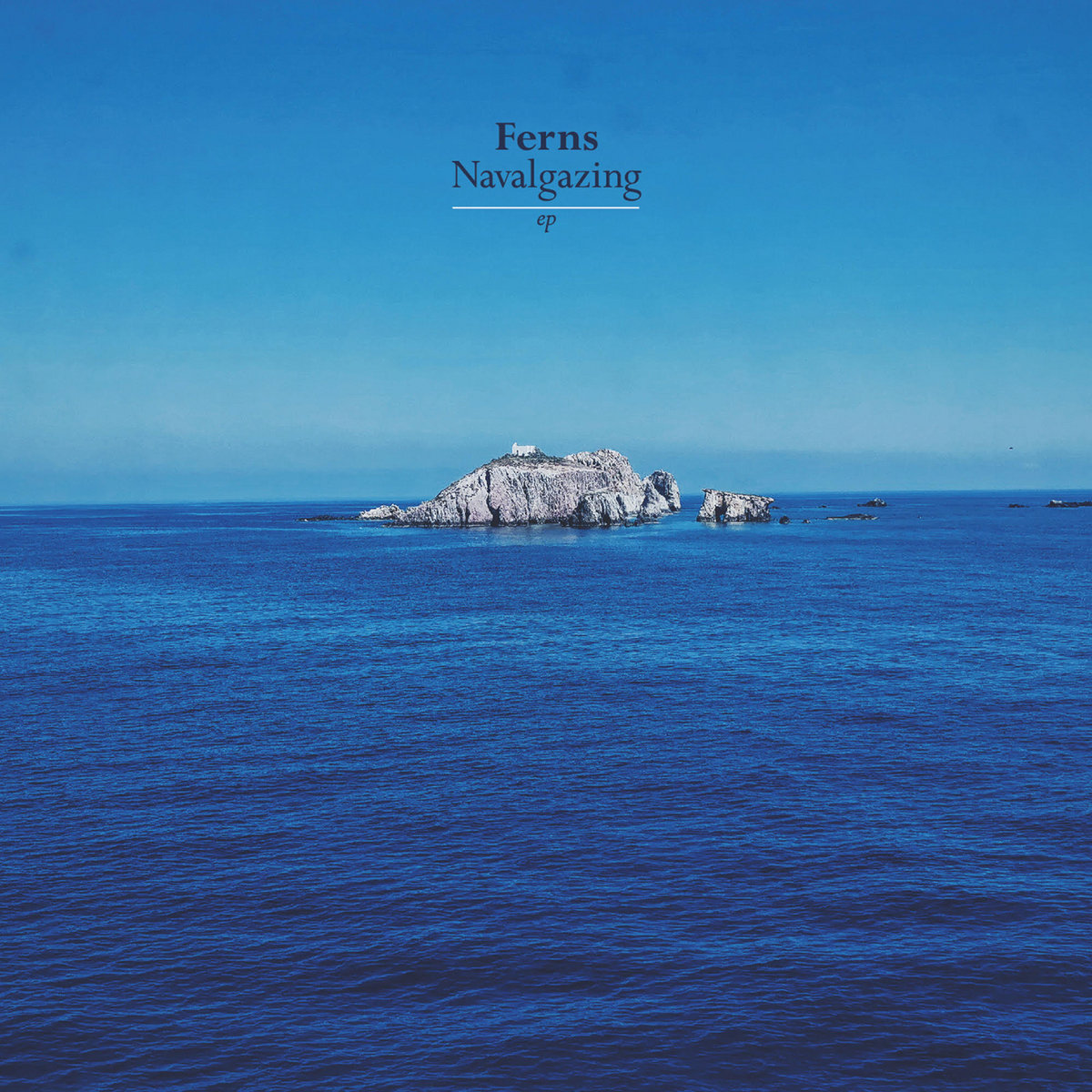
4. Ferns - 'Navalgazing' EP (released August 29)
https://ferns.bandcamp.com/album/navalgazing
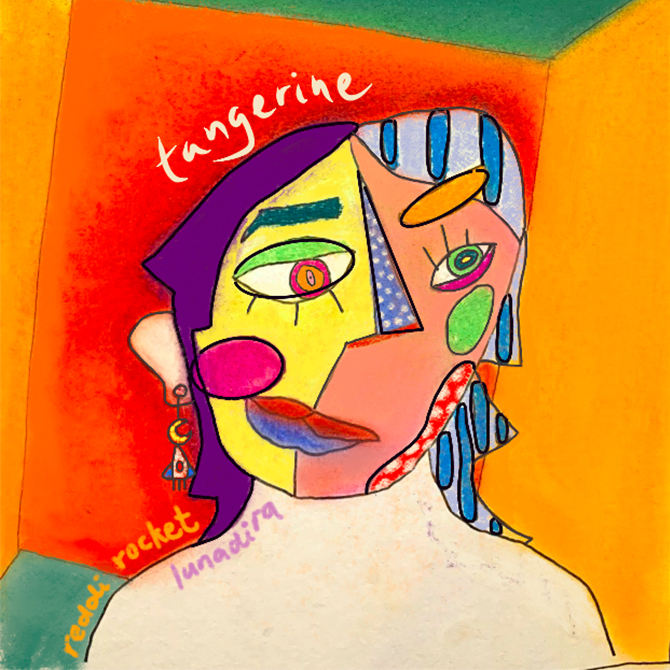
5. Lunadira & Reddi Rocket - 'Tangerine' EP (released November 27)