By Murray Hunter
IN Pahang, the Orang Asli, who are the indigenous peoples including groups like the Jakun, Semai, and Bateq, continue to face significant challenges over land rights, identity, and autonomy.
Recent developments involving the royal family have spotlighted these tensions.
Tengku Ampuan of Pahang, Tunku Azizah Aminah Maimunah Iskandariah, extended an offer to displaced Orang Asli families, particularly those affected by disputes in areas like Kampung Sungai Cot in Maran, inviting them to live on her land.
This gesture followed incidents where Orang Asli were earlier detained for alleged trespassing on plantation land.
While framed as compassionate, the offer has met a nuanced response by the Orang Asli.
Many Orang Asli have expressed gratitude for the humanitarian intent but firmly insist on recognition of their customary land rights (tanah adat or pusaka) rather than relocation to allocated plots.
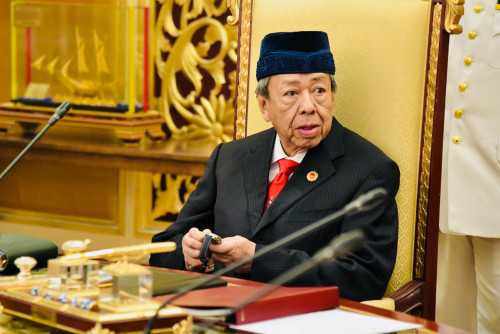
In early 2026, the Pahang Orang Asli community appealed to Sultan of Pahang, Al-Sultan Abdullah Ri'ayatuddin Al-Mustafa Billah Shah to reconsider statements denying the existence of customary or heritage land not formally gazetted.
They argued that ancestral territories predate modern land titles and carry deep cultural, spiritual, and livelihood significance.
Land issues in Pahang are a longstanding issue.
Decades of logging, palm oil plantations, and development have encroached on traditional territories. Government data shows limited gazetted Orang Asli reserves in the state, with many claims pending for years.
Critics, including advocates like the Centre for Orang Asli Concerns, argue that state governments and private interests prioritise economic development over indigenous rights, leading to demolitions of homes and restrictions on traditional activities.
Cases of Orang Asli being treated as trespassers on lands they have inhabited for generations underscore a pattern of marginalisation.
Compounding these struggles is statelessness.
Many Orang Asli lack official Malaysian identification documents due to administrative barriers, remote living conditions, and complex registration processes.
Without MyKad, they face restricted access to education, healthcare, employment, and voting rights, which effectively renders them second-class in their ancestral homeland.
Reports also highlight pressures toward religious conversion.
Allegations persist of incentives, such as infrastructure, housing, or financial aid, being offered to Orang Asli communities in exchange for converting to Islam.
Court cases, including claims by groups in Pahang of mass conversions decades ago, illustrate ongoing disputes.
Indigenous activists protest these practices as coercive, undermining their traditional animist or non-Islamic beliefs.
While authorities often deny systematic force, the pattern of linking development aid to conversion raises concerns about cultural erosion.
The Tengku Ampuan’s kind offer, though well-intentioned, exemplifies a broader critique.
Orang Asli seek more than paternalistic relocation or charity.
They demand proper legal recognition of their status as original inhabitants, secure titles to ancestral lands, and self-determination.
Token gestures, however generous, fail to address the root issues of dispossession, bureaucratic neglect, and assimilation pressures.
True reconciliation requires honouring constitutional protections, expediting gazetting of customary lands, resolving statelessness, and ending coercive practices.
Only then can Malaysia uphold its commitments to its first peoples, seeing them not as dependents, but as rightful stewards of their heritage. – July 21, 2026
The observations reflect the writer's personal insights and do not necessarily represent the official stance of The Vibes.com