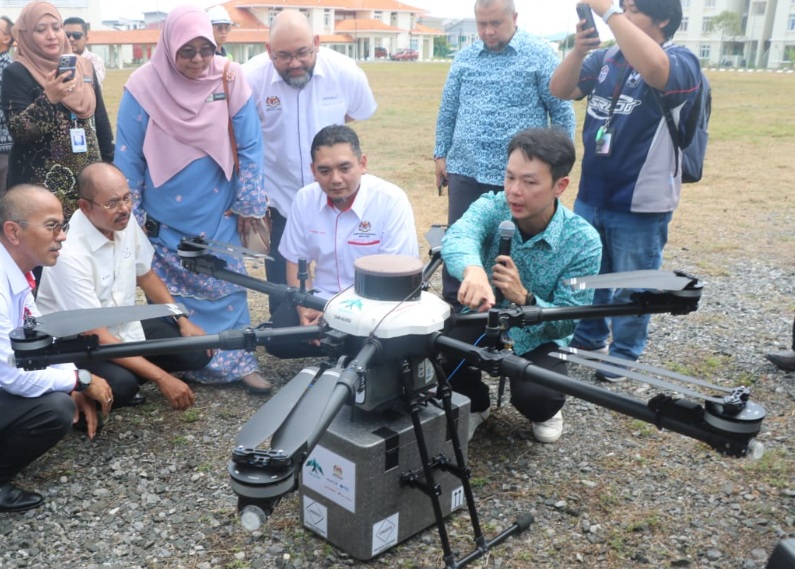
BLOOD samples have been transported by drone between Hospital Bera and Hospital Sultan Haji Ahmad Shah (Hoshas) in Temerloh in a pilot project believed to be the first of its kind in Malaysia and Southeast Asia.
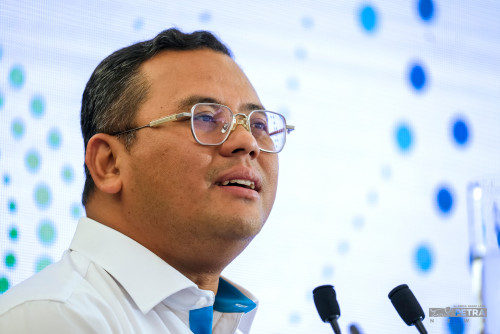
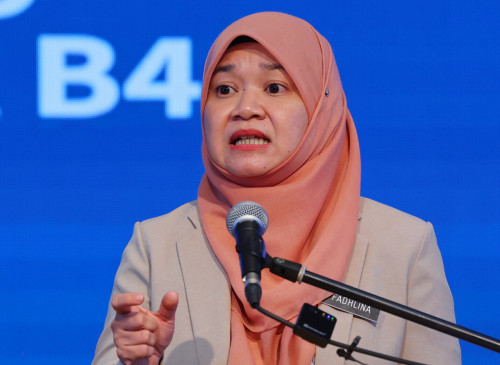
Pahang Public Works, Transport and Health Committee chairman Datuk Ir Razali Kassim said the trial was carried out to see whether drones could be used safely to transport blood samples while meeting health and aviation requirements.
According to Utusan Malaysia, more than 120 drone flights were conducted during the proof-of-concept (POC) project.
Razali explained the exercise was still a trial and had not been adopted as an operational service by the Health Ministry.
“This is still a trial and has not been implemented as an operational service by the Health Ministry. The next phase needs to be discussed with the ministry, particularly in terms of funding and costs,” he said after a ceremony recognising the project.
The trial assessed delivery times, the condition of samples upon arrival, test accuracy, logistics costs and feedback from hospital staff.
It began with a drop test on Dec 11 last year, followed by a drone flight on Jan 22 and a medical drone crash response exercise on Feb 11.
Hospital Bera and Hoshas are about 20km apart. During the trial, the drone took about 20 minutes to cover the distance, compared with around 44 minutes by road.
Adding further, Razali said the shorter journey could be useful during floods, traffic jams and other situations where road travel is disrupted.
But he noted the cost of using drones still needed to be studied before the system could be expanded.
The POC did not fully take into account the costs involved in conventional transportation, including ambulances, drivers and fuel.
“A more detailed cost-effectiveness analysis needs to be carried out if the project is to be expanded,” he said.
For now, Hospital Bera still relies on road transport to send blood samples to Hoshas.
The samples are sent daily, including those for certain tests that are only available at Hoshas.
Razali said the trial also tested whether biological materials could be transported by drone while complying with the necessary regulations.
“The procedures are strict because we are transporting biological material and, at the same time, have to comply with aviation regulations,” he added.
He stressed that the trial had provided an opportunity to assess both the technology and the procedures needed before any wider rollout is considered. – August 20, 2026


.jpeg)