.jpg)
AS the 21st-century marches forward, society-at-large spends more time interfacing with social media on their phones instead of their immediate surroundings.
The denouement of virtual interaction is nowhere in sight, especially as the Covid-19 pandemic has moved just about everything online.
While we may proclaim progress and a necessary change, are we journeying towards a society where life can only be experienced through screens?
Today, we take a step back into the past to look into what our future might hold
In 2007 – British comedian, author, playwright, musical librettist, actor and director – Ben Elton, published a book titled ‘Blind Faith’, which wraps around the narrative of a dystopian world centered on social media.
‘Blind Faith’ is set in a London where social media is no longer merely a part of a citizens’ life, instead, it IS their life.
The narrative follows Trafford, your average joe who works at the National Data Bank, or NatDat, “which existed to collect and store information about the population.”
Everything about a person is recorded in this system, and when we say everything, we mean everything
From your birth video, literally, to your daily routine, your romantic and sexual relationships, all the way up to your death; everything is recorded and posted online.
“The population (including most potential terrorists and random killers) published every possible detail of their lives on their Face Space pages.”
Nothing is hidden from the world, in fact, society in the ‘Blind Faith’ has reached a point where it is expected of you to share everything, and it would be blasphemous if you kept anything a secret.
Fortunately for us in the real world, social media is not yet the sole method of communication and the privacy settings on our social media are still malleable.
And unlike in ‘Blind Faith’, refraining from posting snippets of your life for all to see is not punishable by law.
However, we might not be as far off as we think
We frequently check-in to places we visit on Facebook, post pictures of our daily activities on Instagram and Snapchat, express thoughts and emotions on Twitter, and now also share and watch vlogs and videos on YouTube and TikTok.
We leave a trail of digital footprints which could easily be tracked and followed by strangers.
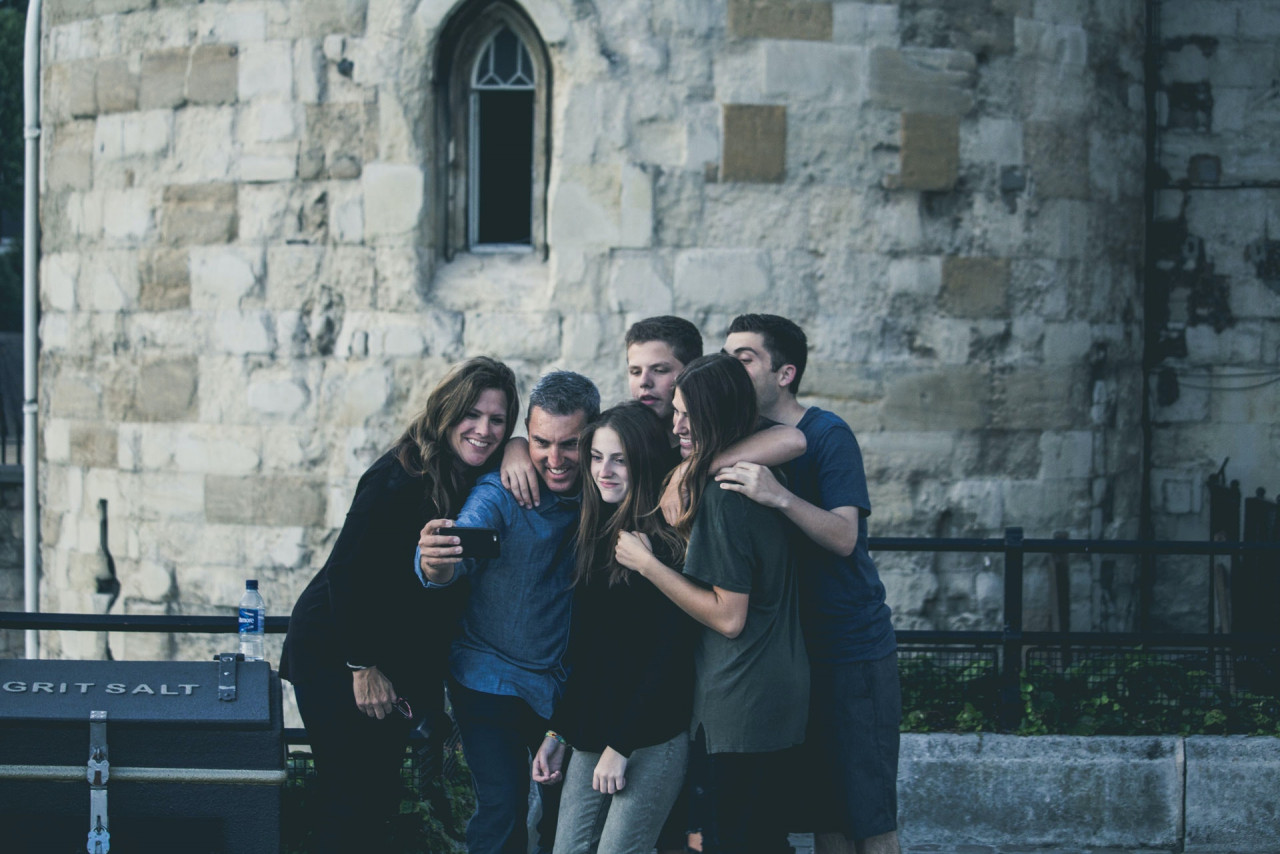
Privacy is not as private as we hope it to be
When we meet Trafford, we are also introduced to his wife Chantorria and their newborn daughter.
All seems normal at first with the family -- apart from all the disturbing sights and description of Trafford’s neighbourhood -- till a clergyman, Confessor Bailey enters the picture.
As Trafford and Confessor Bailey’s conversation proceeds, Confessor Bailey is flabbergasted that when he “Goog’ed you (Trafford) up on the WorldTube,” he “found no birthing videos.”
If you are wondering whether or not you read that wrongly, rest assured that you did not.
In the world of the book, it is common, if not expected, for individuals to post even the most intimate moments of their lives.
In the words of Confessor Bailey, “Eve had a cooch! Mother Mary had a cooch! Diana had a cooch! Cooches make kiddies. Chantorria should be proud to be a strong woman with a kiddie-making cooch.”
Unlike our society where women are more oftenly shamed for showing off their bodies, the ‘Blind Faith’ relates a woman’s lack of exposure to shame.
Yet, who are we to proclaim superiority to the society in the ‘Blind Faith’ as sharing and posting homemade porn is becoming more popular, especially as individuals are becoming more comfortable with themselves and opening accounts on sites like OnlyFans.
How reliable are the things posted online?
As mentioned, the citizens in ‘Blind Faith’ are not only socially, but also legally required to post everything about their life online.
Still, as Trafford’s character grows, he gains a love interest, Sandra Dee.
This new character seems to have found a loophole in the system by sharing posts uploaded by others. Plagiarism or identity theft as we know it.
When Trafford discovered Sandra Dee’s deception, he realized that “Sandra Dee’s blog gave absolutely nothing away,”
“Anyone could lie in a blog.”
Similarly, we are constantly reminded not to believe everything we see on social media and to take things with a pinch of salt.
So, while there is the sense that our privacy has been compromised, we still hold a sliver of authority over the things we share, maintaining the right to keep some things a secret.
But that only feeds the vicious cycle of deciding what’s real and what isn’t.
“The internet was supposed to liberate knowledge but in fact it buried it.”
Regardless, social media is just everywhere
In ‘Blind Faith’, social media is so tightly integrated into society that it has become one platform.
At the moment, we have multiple social media platforms, but as time moves forward, we see that platforms are copying each other’s functions.
Among the many examples, the latest update was when Snapchat launched a new format called Spotlight which allowed Snapchatters to see content from influencers and other members of the network; and this sounds a lot like the ‘Highlight’ feature that Instagram carries.
As each platform adapts and imitates, we are bound to see a seamless assimilation of social media into one.
When that happens, are we ready to use it for the betterment of the people? Or has Elton prophesied our future with social media? – The Vibes, January 2, 2020