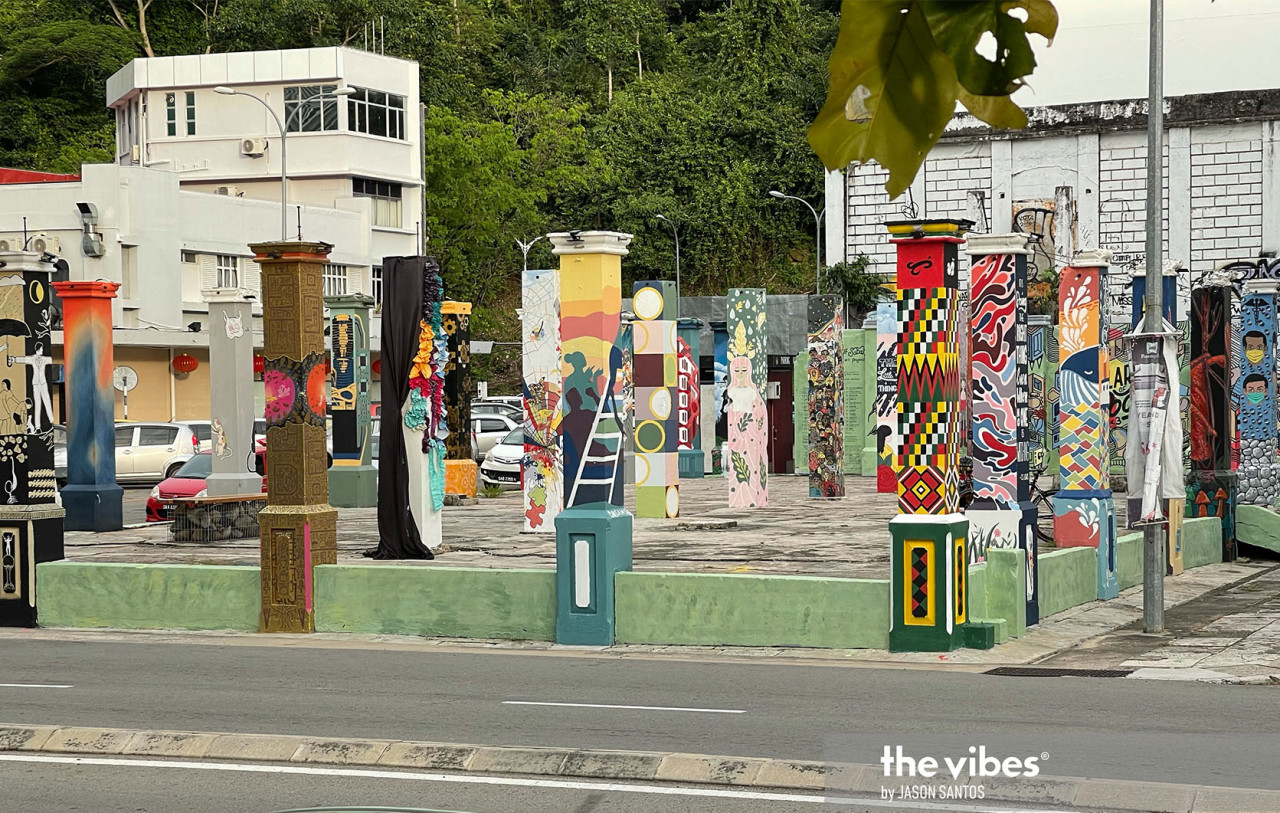
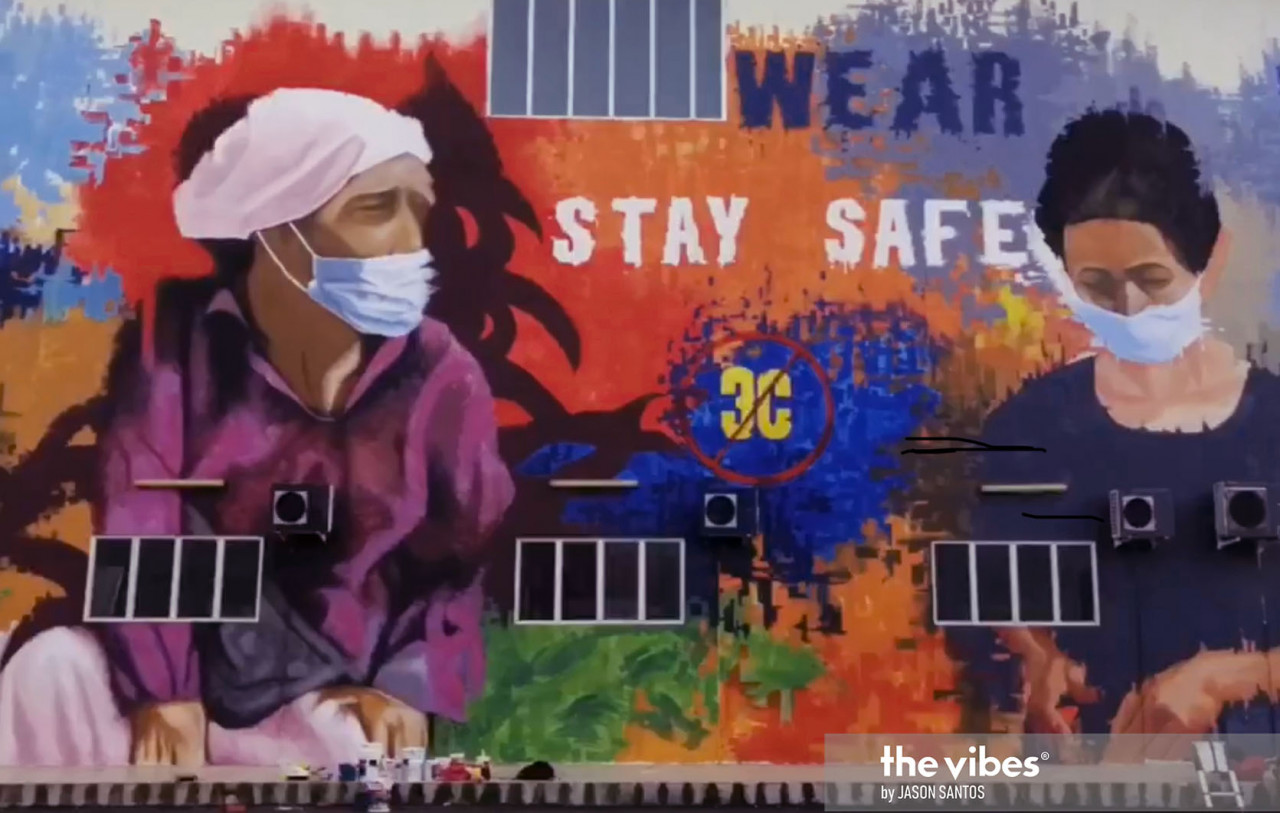
KOTA KINABALU – Images of spray-painted large-eyed monsters and extinct animals coexist with peaceful villages and Covid-19 awareness motifs in a wide imaginative tapestry that is part of today’s street art scene in Sabah.
These are the things that made Crig Francis, or just Cracko, and his rebellious band of punk-listening artists important figures in the scene.
While the world is still trying to make out the expressions of street art, these illustrators burst on to the local art scene a decade ago, and now inspire many others to follow suit.
“It started in 2010. That time I was able to convince the people to be more accepting of street art and everyone was more accepting to it,” he said in halting sentences.
The 42-year-old street artist’s story is a familiar one.
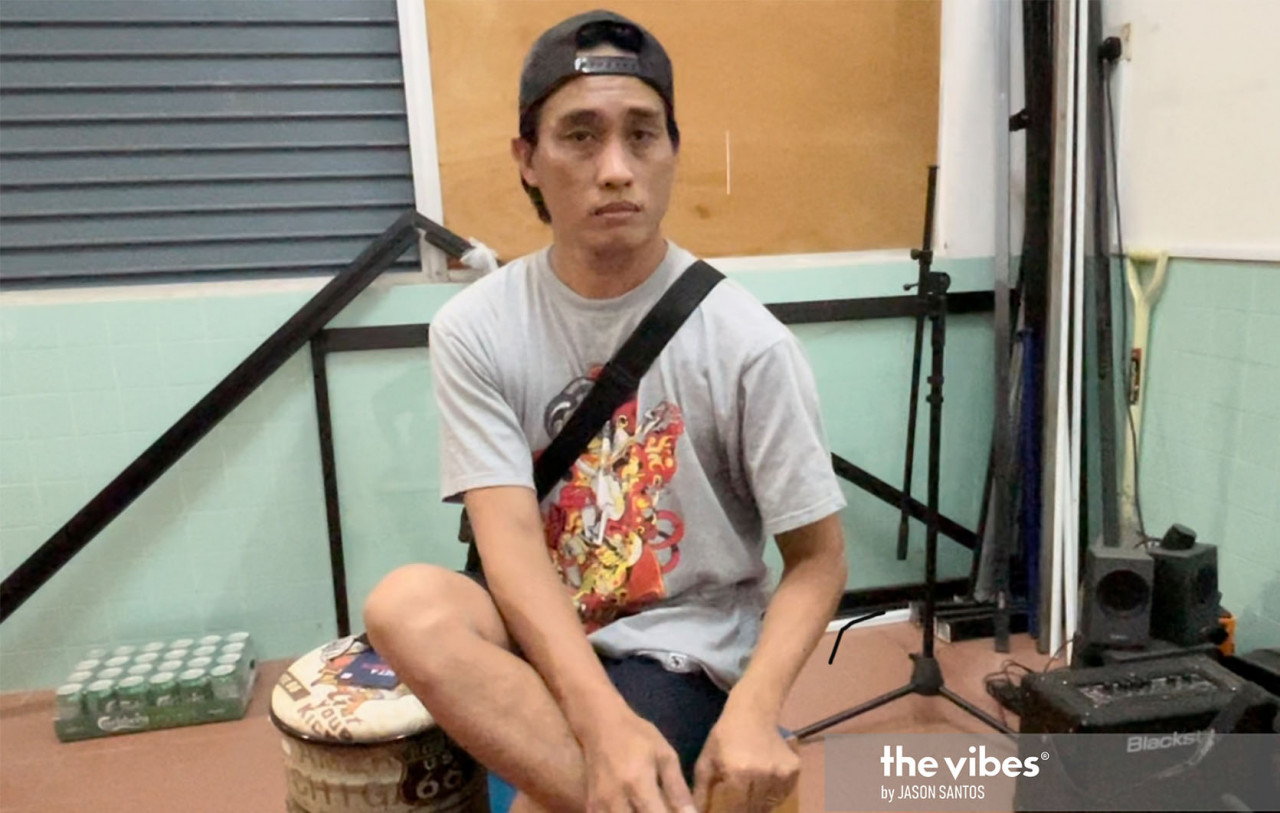
Like a story of a rock band’s journey to fame, Crig’s recognition as a street artist, or graffiti or mural painter, came following some self-realisation.
“I was beginning to get tired of the nine-to-five job and decided to call it quits in 2006,” said the former graphic designer.
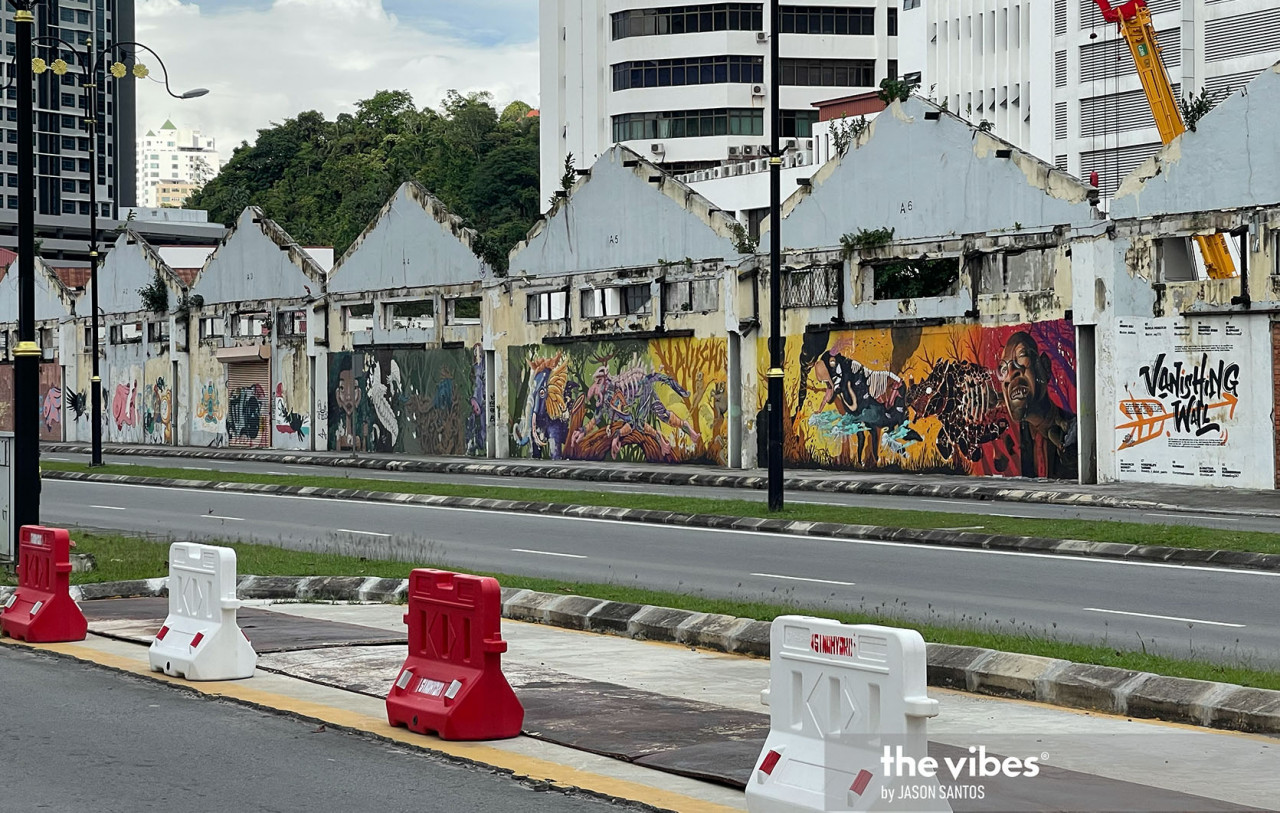
In 2010, Crig resurfaced by organising a public display of street art along with several other painters by doing an artistic make-over of an abandoned British-era government building in the middle of Kota Kinabalu city.
Their work went viral on social media and their mark at the abandoned structure made it a popular spot for tourists and locals to take selfies at for years.
Since then, Crig and his friends have become sought for their work and there is hardly any street mural or graffiti in town without him being somehow part of it.
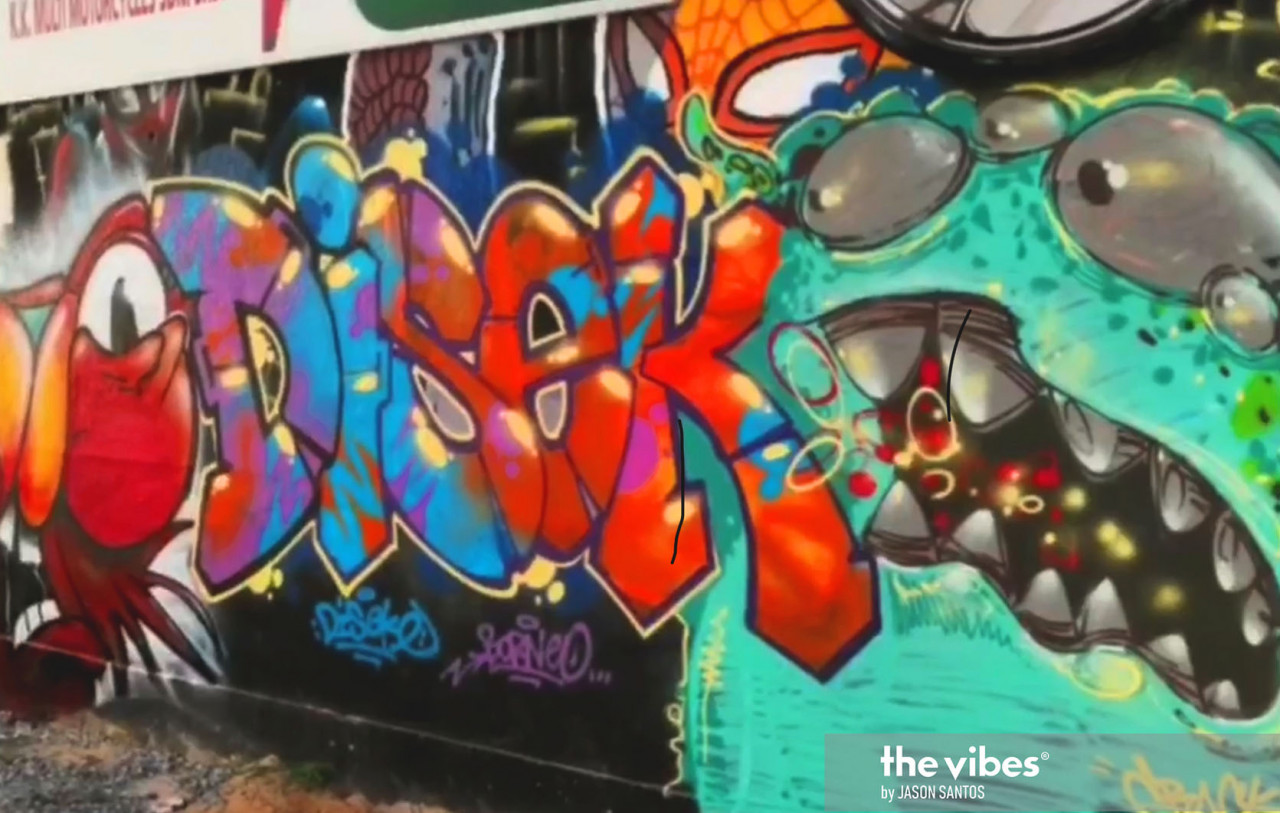
Graffiti or mural?
Crig believes the terms graffiti and mural have already been “broken” in meaning.
As graffiti is associated with vandalism and is thus illegal, both murals and graffiti are now considered as forms of artistic expression.
He attributes the present day as an era for the street art movement. “It is the era and it is happening all over the world,” he said.
“The thing about street art is that everyone can relate to our art work. This makes it fun for the viewers to be able to identify the art personally,” he said. He referred to the assortment of subject matters of their artistic works, which includes pop culture ranging from Star Wars to the Beatles.
Graffiti and street art originate from a subculture that opposed commercial rewards for art. The idea of street art is that it is transient public art that everyone can enjoy for free.
The Ringgit sense
Unlike UK’s Banksy whose street arts catches wealth on the auction slammers, there is a flipside to Crig.
The rise of his group, then known as the Cracko Art Group, made them a sought-after street artists for massive wall paintings.
From cafes and restaurants, to non-profit projects from Petronas and other commercial entities, his group would be roped in.
The growing number of young professionals in Sabah also fuelled a small demand for paintings including large wall paintings, with some willing to pay tens of thousands of Ringgit for a piece of local artwork.
“Much of these because most of the clients want to be part of the trend. They want such art work or at least to be in possession of one.
“They want it to be authentic and one that they would want to be permanently painted on their establishment.
“These days there are more and more Sabahans appreciative of art than years ago,” he said.
Crig said the number of street artists has also grown, with some who are not at all from art and design backgrounds having also entered into the scene.
Covid-19 and street art
As more and more private galleries are shutting down with Sabah being hit by the Covid-19 pandemic, many are moving their businesses to online platforms.
For Crig, 70% of his orders have dropped as the street art movement was also hit by the lockdowns and stay-at-home orders. He said that orders were booming until the first MCO was implemented in March last year.
“In a way, the street art forms have died at this moment. There was a time the orders were too overwhelming that I had to give away my projects to others.
“We used to have up to three artists for a job, but that was before the MCO was implemented. It was so overwhelming that it was hard to finish even one project due to lack of artists,” he said.
But just as demands for street art began to pick up again during the recovery movement control order phase in the middle of last year, all orders had to be shelved as the government reverted to having a total lockdown again at the end of last year.
“Many of the work orders have to be ‘keep-in-view’ for the moment. Some customers instead opt for digital art works, so not all orders are lost,” he added. – The Vibes, February 15, 2021.