.jpg)
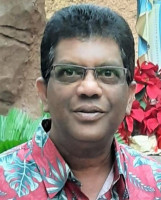
THE annual Gawai message from Baru Bian carried a rustic tone this year as if written to match the auspices of the season.
It was a message laced with words like rice, paddy fields, floods, bounty from the earth, and good harvest – words so attuned to farmers and people of the land.
And as usual it was devoid of any political innuendo. Baru largely spoke about the harvest this year and also lent a little hint of the reason for Gawai – and how the Lun Bawang folk celebrate the festival in a further telephone conversation from Ba’kelalan with this writer.
He says, in my kampung Berunut, we have had a better harvest than last year, as did our neighbouring villages. Different villages finish harvesting at different times because of the difference in the geographical landscape and weather conditions.
This is expected, as the Lun Bawang people like Baru are highlanders living on terrain, spanning across the Maligan-Kelabit-Karayan Highlands, with each stretch of land experiencing its own peculiarity of sunshine and rain.
Most of the villages in Ba’kelalan finished harvesting in December and January, according to Baru.
“For us in Lawas and those in the highlands of Ba’kelalan, we thank God that the recent floods did not happen during the harvest months as that would have destroyed our crops.
“However the floods did destroy many paddy fields which will need to be repaired and cleaned up of sand and debris.
“Notwithstanding this unprecedented flood, people are resilient and I believe they will bounce back and return to their paddy fields to clear the destroyed fields, plant for another season and pray for another great harvest.
“We are people of the land, and will always turn to our fertile lands to provide our families with the bounty from the earth,” he said.
‘Gawai’ means celebration
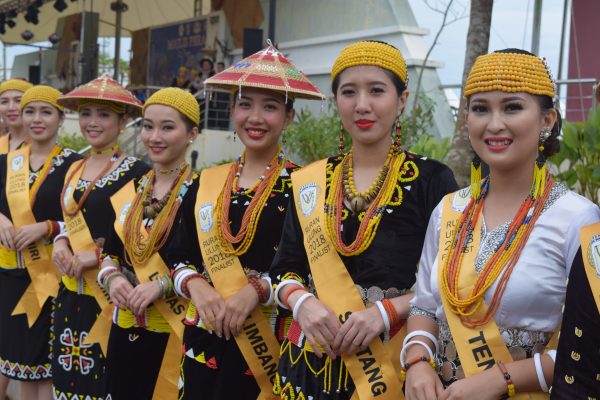
Gawai simply means celebration. In Lun Bawang they call celebrations "irau". So in the case of Gawai, it is a celebration after harvest, to thank the gods for a good harvest.
The Lun Bawang community also live across the border in Sabah, where they are better known as Muruts, and in North Kalimantan where they are referred to as Lun Dayeh.
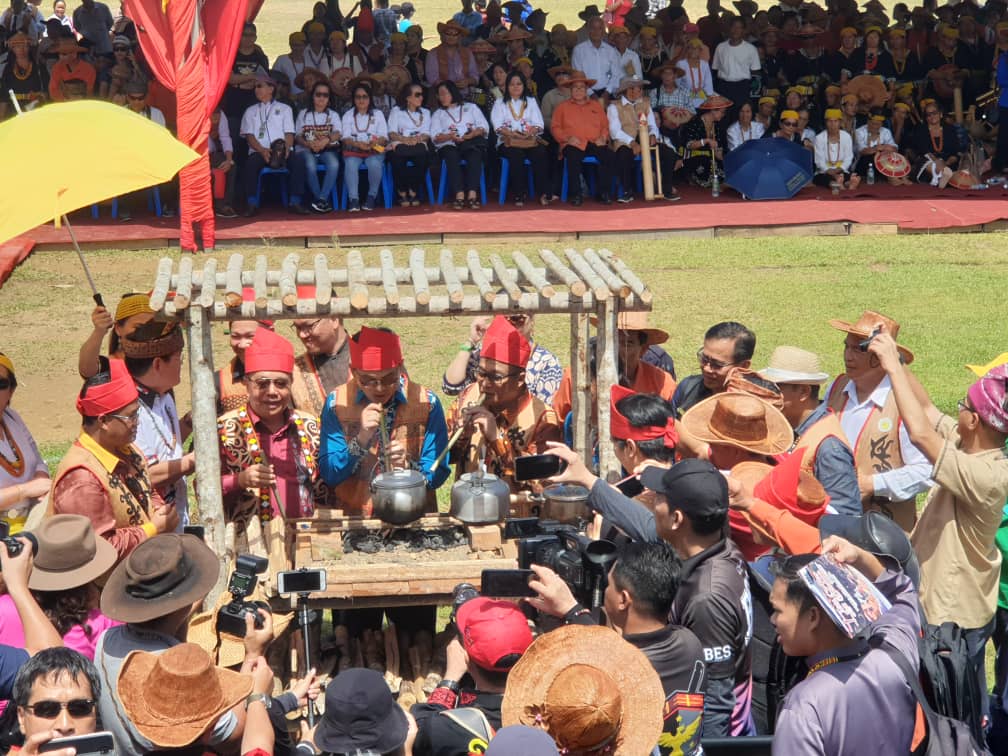
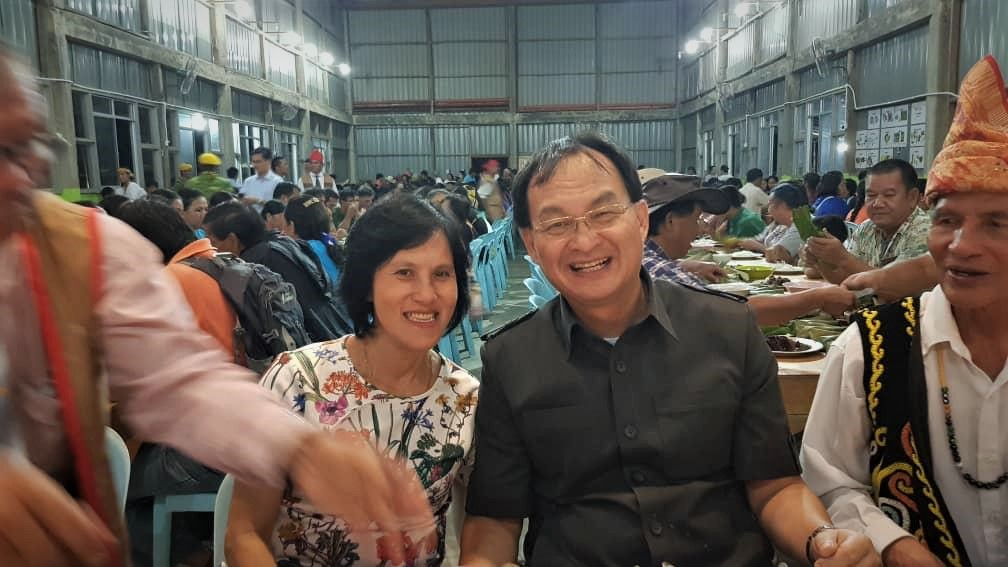
According to Baru, annually the Lun Bawang celebrate the Irau Aco Lun Bawang – traditionally a celebration of the rice harvest. This festival hosted by the Persatuan Lun Bawang Sarawak is also attended by the Muruts and Lundayah from across the borders.
“The Lun Bawang way of celebrating is unlike how the other Dayak communities celebrate the harvest festival. Ours is not like visiting one another in open-house style but we hold a carnival-like event with sports activities and other events like showcasing Lun Bawang culture, music and dances as well as traditional handicraft exhibitions and Lun Bawang cuisine.
“This festival will be held for two days on June 1 and 2 and it will be the biggest gathering of the Lun Bawang in Borneo annually which will also host the ‘Nguip Suling,’ the famous Lun Bawang home-grown bamboo flute band.
“A grand afternoon banquet will be hosted on the two days to feed the hungry guests and that would make the festival truly complete,” Baru, who is state rep for Ba’kelalan and MP for Selangau said.
However, he said being staunch Sidang Injil Borneo Christians, the serving and consumption of alcohol will not be a “component” of the Lun Bawang’s Gawai festivities.
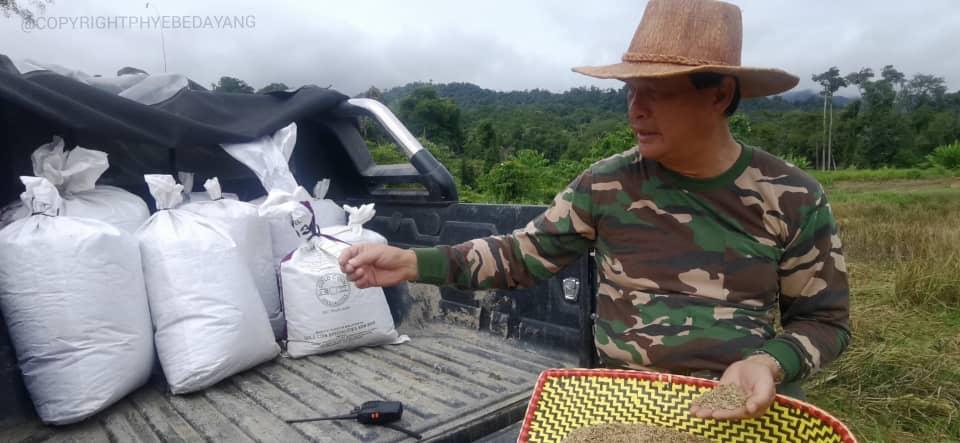
Another high point of the Lun Bawang Gawai is the offering of 10% of the harvest to God.
He said a Sunday will be set for this special offering of the harvest from the land.
“We Lun Bawang have ‘Christianised’ our harvest festival, so on this special day the people will be invited to bring and offer their 10% of the harvest.
“If they harvested 100 baskets of rice, they will offer 10 baskets in accordance with the tradition taught in the Old Testament: ‘Every tithe of the land, whether of the seed of the land or of the fruit of the trees, is the Lord’s and it is holy to the Lord’.”
However, the Lun Bawang will skip celebrating the Irau Aco Lun Bawang for the second year running due to the pandemic and Covid-19 SOP restrictions.
Praying for the pandemic to end
“In the midst of Covid-19, there is still reason to ‘gawai’ because although the cases are still high and increasing, our situation is not as bad as in other countries in the world where even planting for food is limited.
“We have managed to plant and harvest our crops yet again. This realisation should imbue in us a sense of gratitude for what we have.
“I know for many ‘harvests’ depend on the economic situation of the country i.e. the business sectors, times are extremely challenging now, and many are losing, if they have not lost, all confidence in the government to lead us out of this health crisis which has wreaked immeasurable loss and suffering on so many people.
“I only pray for this pandemic to end and businesses can return to their normal activities. I also pray that those who have lost loved ones will find the strength to carry on with their lives and find peace within themselves eventually,” he added.
He said this year, as last year, there will be restrictions on travel within Sarawak, as the SDMC tries to control the spread of Covid-19. It is tempting to think about finding ways and means to make the trip back to our families back in our villages and longhouses to celebrate with them.
.jpg)
“However, recent history has shown that those who had broken the rules and travelled home during the past few celebrations had brought back the virus unwittingly and infected many as a consequence.
“Do not think that it will not happen to you as the Covid-19 virus has shown time and again that it does not spare any particular group of people. Now, with the discovery of the different variants in Sarawak, it is even more crucial that we exercise extreme caution and self-restraint for the sake of our families and friends, and indeed for the whole of Sarawak.
“So let us celebrate Gawai in a different way this year, within our own families, giving thanks that we are together in our own homes and that we are safe. We can make it a point this Gawai to register our loved ones for the vaccination if they have not done so yet.
“We will reap the rewards for this exercise of discipline and control, in the knowledge that we will all be able to enjoy the traditional Gawai celebrations next year, or the year after when the Covid-19 virus is eventually brought under control, or when our population reached herd-immunity under the vaccination programme,” he added.
He extends greetings of a safe and happy Gawai celebration in the language of the Lun Bawang “Do Ngerayeh Aco Irau Dayak” and in Iban “Gayu-Guru, Gerai Nyamai.” – The Vibes, June 1, 2021