
WHEN we start to ignore the clock for a while, it can be liberating. For once, our present is not dictated by periodic frames.
That said, the burning question here would be – how long until we start feeling disoriented?
We know our homes to be our personal abodes because we establish within them an order that expresses our logic, values, goals, and concerns related to living. To some extent, we all require structure in our spaces to tolerate the fullness of time.
However, to generalise experiences would be unfair because there are those who feed and flourish on disorder, or what society today defines certain realities as such.
Exploring the underlying relativism of ‘Order’ through art
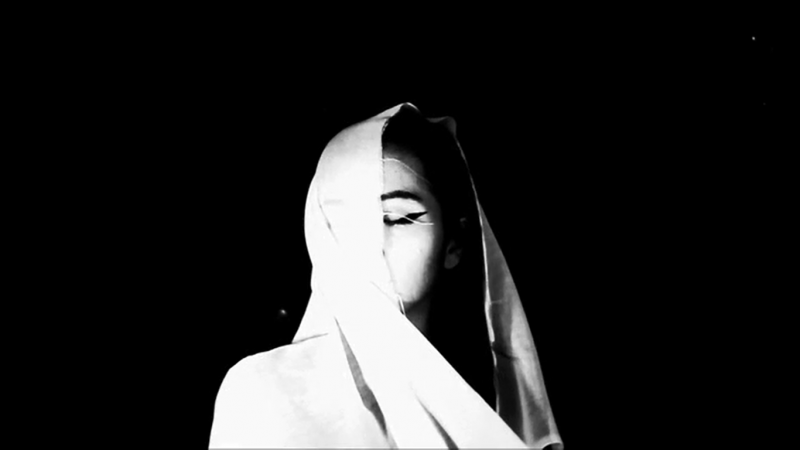
British Council Malaysia presented its film programme called ‘A Distinct Order’ back in December, featuring Malaysian and UK artists articulating the challenges of reimagining the eminence of plurality in ‘Order’.
We chatted with Malaysian curator Roopesh Sitharan to further unpack the takeaways on the notion of plurality within the context, which also includes worldviews coming from our homeland.

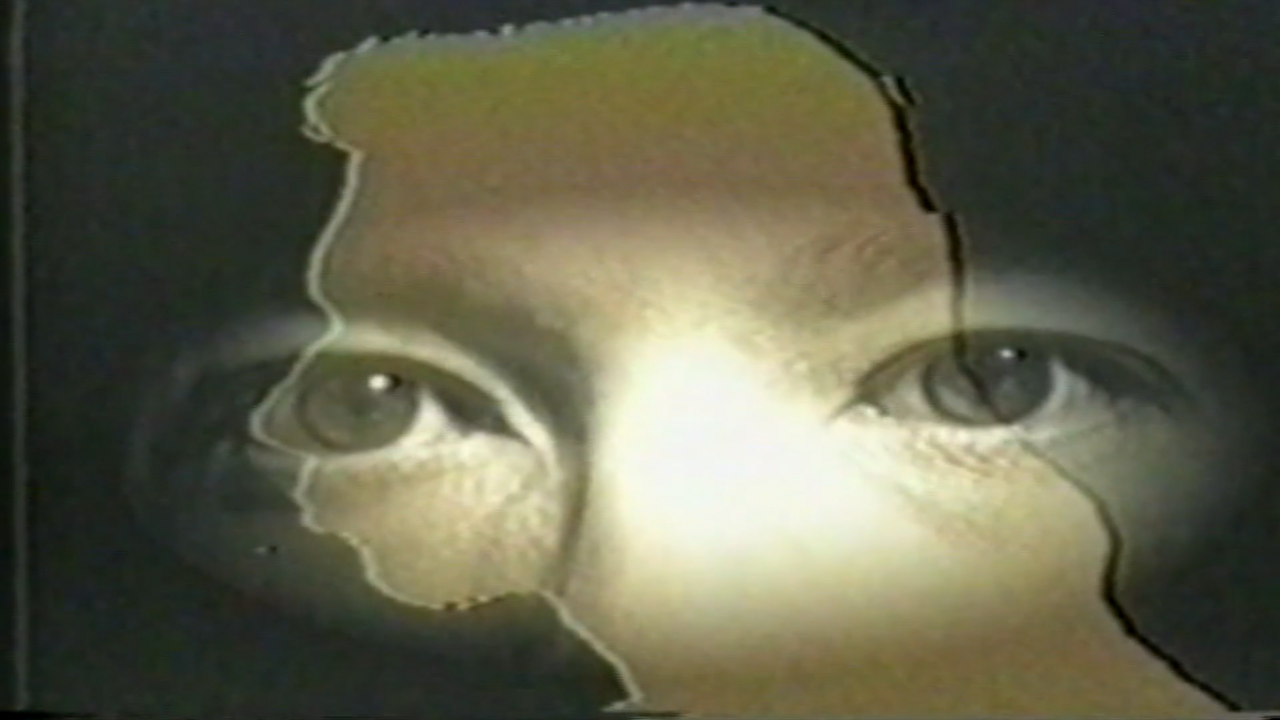
“Thinking about order, what was useful for me [in the curation process] is the discussion surrounding multiculturalism, in which it could be found in one body.
“The project was my way of elaborating on the idea, looking at it in terms of our subjective experience as an individual,” he said.
“Who is occupying the body? It is an order that is invincible, simply autonomous and not within the control of the ‘owner’, in a way that we think we are.
“It is this sort of ordering that is not found in any vocabulary, and to harp on or follow up to, is why I believe we need to articulate or address because it is now becoming so prevalent,” added Sitharan.
*Follow the discussion. A Distinct Order – Panel 1: Framing. A panel discussion features curators from Malaysia and UK discussing the conceptual premise for their curatorial decisions and approach. This panel aims to unearth the categories of thought and critique in curatorial practice as a legitimate way of making visible the suppression of Orders.
The curatorial project, in which the curator was the main handler in partnership with British Council featured a process of referential mapping, a form of structured engagement that is categorised into – framing (curators’ considerations), content (artists’ thought processes) and context (exploration).
Three panel discussions were added aside from the video works to explore the existence of differences in the expression, complementing the featured materials selected.
*Follow the discussion. A Distinct Order – Panel 2: Content. A panel discussion that invites artists, especially practitioners who work with moving images, to discuss the possibilities offered by the medium in representing or highlighting issues of Orders through film. The discussion particularly centres on techniques of making, presenting and articulating facilitated by the medium as a form of expressing an idea, or critique.
Still on the topic of ‘Order’, Sitharan said: “There is the point of negotiation between human(s) as subject and individual(s) as person/living beings that need to agree together to be able to live as a society”.
“Today, the consensus needed to organise ourselves is not as simple as how it used to be. It is much more complex, wider and denser where the situation demands for an emancipatory project that bridges all sorts of different experiences and identities,” he expressed.
*Follow the discussion. A Distinct Order – Panel 3: Context. A broader discussion of Orders, especially in the effects of such systems upon lived experience as expressed from the perspective of cultural practitioners. This panel explores the idea of otherness and how art can create awareness and empathy thus fundamentally operating as a fusing agent between the inside and the unruly outside of Orders.
‘Order’ is the word
Tendai John Mutambu, who originally curated Old World Order / New World Orders for British Council UK, which ‘A Distinct Order’ is the extension of, also joined in on the online interview.
The initial programme saw established artists disrupt old narratives and encourage new global discussions on topics such as national identity, racial and cultural histories, internationalism and local versus global.
“I think what interested me in putting the [original] programme together or at least became evident after the fact when the work was coming together was seeing the clash of the new versus the old view(s) of the term,” highlighted Mutambu.
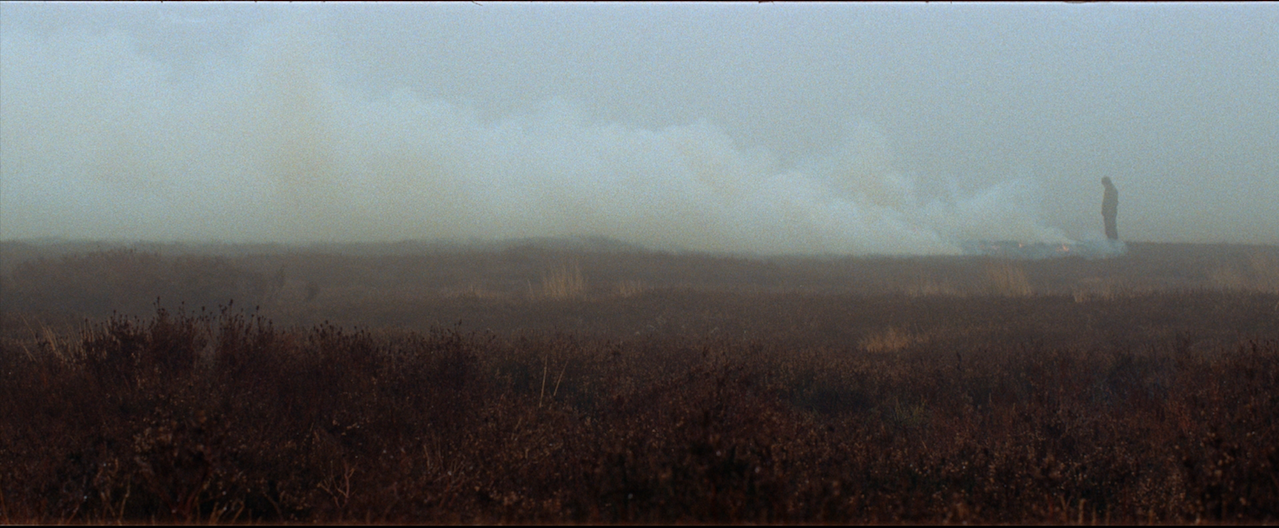
The modern and contemporary art curator notes the process for him to be a sort of geopolitical way to discussing the impact of colonisation and trans-Atlantic slavery that shaped early modern history.
“I also explored the different meanings to the potential of the word ‘Order’ (and the connotations).
“I (personally) don’t think it is possible to try and rule ourselves out of order entirely, but it is more of putting pressure on what it is – how the word/ideas that define it operate, how it governs and how we relate to it.
“I guess in a way the first programme is kind of a microcosm of a larger series in the sense that it sort of meant to operate on various levels,” he shared.
Exploring the different interpretations together
“The approach was never about telling people how to think,” highlighted Sitharan when asked about the multi-layered essence of the programme.
"The competing narratives were even challenging for us because it’s not a simple story that you can just tell within a string of one sentence.
“As curators, we are not expecting that everybody should understand whatever we are trying to put forth.
“We are satisfied for as long as we can reach out to the audience and they can walk away knowing they got something (whether the experience is sensorial or not) out of it,” he added.
He noted that Malaysians don’t necessarily need any boost to get ahead in their appreciation of art (or its landscape) because “...over and over again the public has proven that they are sophisticated enough and they know what is going on.”

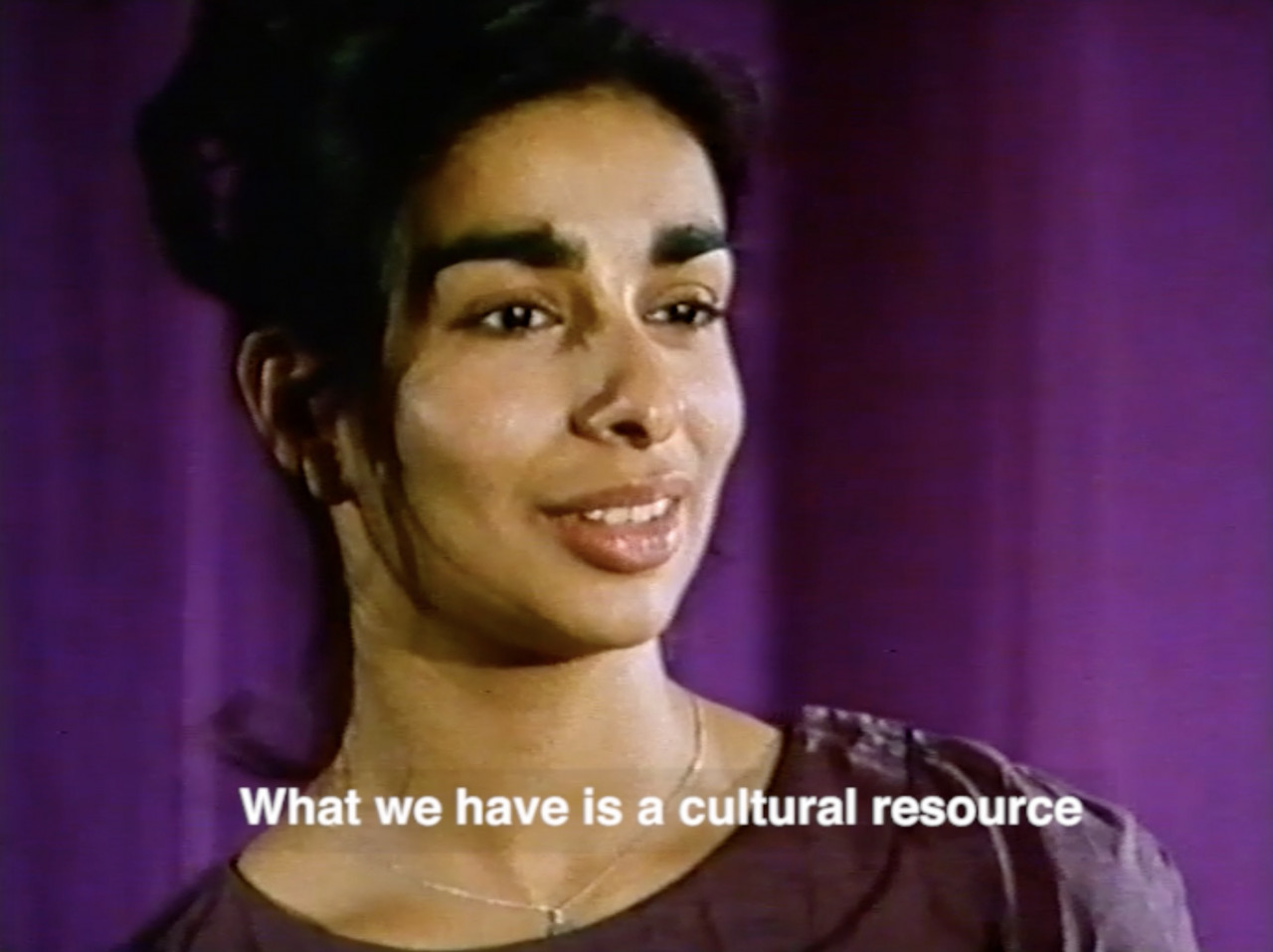
“As much as we want to believe that they don't, we must acknowledge that people here understand and are well informed on the context of art, whether it is wayang kulit or sculpture.
“However, if we want to look specifically at contemporary art, I think the move is on how we can make the art in question more relevant to gain the desired treatment,” said the curator.
“Pretty early on I hinted at the necessity to have a discourse rather than just merely showing artists’ works on the basis that more (communicative) interaction is involved,” shared Sitharan.
“The aim was of course more than just putting together Malaysian works that respond to a particular issue or themes that were introduced through Tendai’s curation.
“In a way, I wanted to give the local audience an introduction to the sort of ideas explored by the scene in the UK that we can expand and engage together,” he added. – The Vibes, January 2, 2022