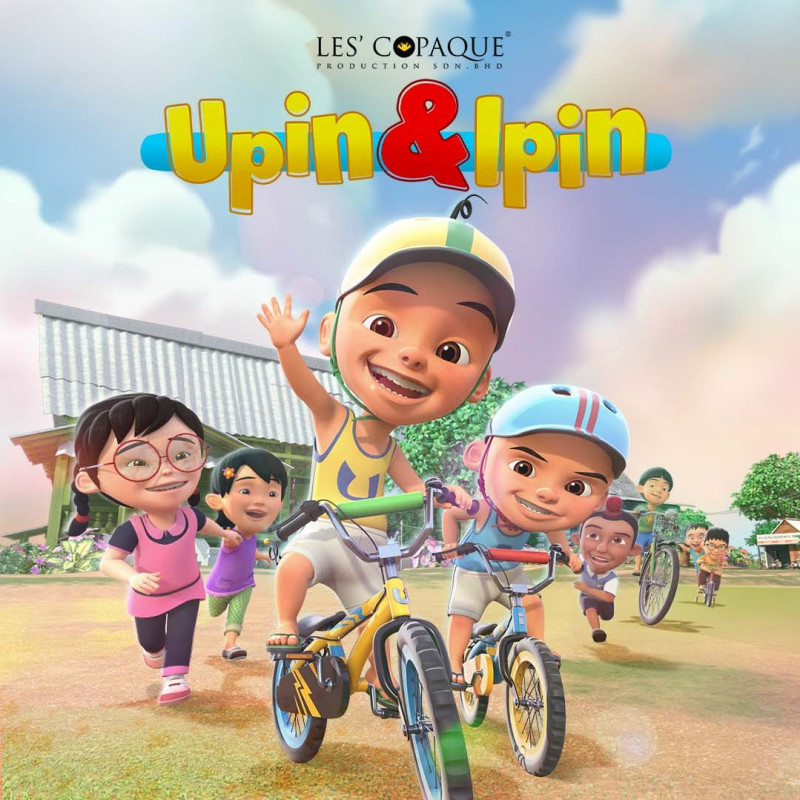
THE locally-produced animated series Upin & Ipin has been a crossover success in other countries, especially Indonesia – though not necessarily always in a positive light. A clip of Fizi’s character saying, “Kalau tak ada ibu, tak adalah syurga” was severely criticised by fans of this series over there.
The cartoon has also been the subject of debate by Indonesian politicians who think that it is a propaganda tool of the Malaysian government that is trying to influence Indonesian children.
Yah kan #UpinIpin jadi sedih kan.. Fizi nih ? gimana kelanjutan kisahnya?
— MNCTV (@Official_MNCTV) May 24, 2020
.
Saksikan #UpinIpin EPISODE BARU "Syahdunua Syawal" sore ini pukul 17.00 WIB hanya di MNCTV.
.
Program ini dapat juga kamu saksikan di @RCTIPlus pic.twitter.com/YpF5B87rbn
Recently, a tomb with a tombstone inscribed with the names Upin & Ipin was discovered in Palu, Indonesia, sparking speculation that the series was inspired by a true story taken from Indonesia.
These theories and rumours have been refuted by the production house behind the series.
Semua cerita Upin & Ipin adalah rekaan semata-mata dan ditulis sepenuhnya oleh Les' Copaque Production. Ianya tidak diambil atau diinpirasi dari kisah sesiapa yang masih hidup mahupun yang telah tiada. pic.twitter.com/UruyhV70mI
— Les' Copaque (@lescopaque) January 17, 2022
Considering the show’s success next door, it raises a question that includes an element of self reflection. What formula did the production company, Les' Copaque Production, hit on that allowed the show to become such a phenomena there?
The average person knows that the Indonesian market, regardless of music, movies or even books, is very difficult for Malaysia to penetrate.
Only a few Malaysian artists have managed to find success in Indonesia, such as Datuk Seri Siti Nurhaliza, Datuk Sheila Majid, Amy Search and most recently Masdo. Not to mention the movies, it is very difficult to penetrate the cinemas there, especially their biggest cinema company, CINEMA 21.
They only play carefully screened works, mostly Hollywood movies and the best Indonesian productions. However, despite their strict rules, the film Upin & Ipin: The Lone Gibbon Kris (Upin Ipin Keris Siamang Tunggal) was screened there with an encouraging reception.
One thing that needs to be acknowledged is that the creative industry in neighbouring countries is more vibrant and forward-looking.
While our creative industries contribute only 1.9% to Gross Domestic Product (GDP), the respective industries in neighbouring countries on average contribute 5-7% to their economies.
“I admit it is difficult to enter the Indonesian creative market because they are very nationalistic. Distributors also think that the quality of our creative work is far behind. Therefore, before our work is brought there, it must be at a level to touch their hearts.
“When I studied at the Bandung Institute of Technology (ITB), I realised that Indonesia is thirsty for animation content. So, I thought Upin & Ipin would be accepted. The storyline I chose was close to the daily lives of children and not based on superheroes.
"Today, I see many Indonesian production houses trying to imitate Upin & Ipin. However, because their business module is problematic, they cannot survive,” said Les' Copaque Production founder, Burhanuddin Md Radzi when contacted by Getaran.
Burhanuddin also said before bringing the series to Indonesia, there were some who said the Indonesian market was small and that Upin and Ipin would not be able to survive there.
Perhaps unsurprisingly, the cartoon was an instant success, increasing people’s interest in animation, to the point that stores in Bali close during business hours so staff can watch Upin & Ipin with their families.
In short, if America has Mickey Mouse and Belgium has Tin Tin, Malaysia has Upin & Ipin.
“I put a condition on television stations that they must allow this series to be shown in Malay. At first they were a bit hesitant. But it turns out that the choice is right because the community there thinks our Malay language is funny," he added.
Not only that, Burhanuddin, who is also the voice actor for the character Tok Dalang, also thinks that to bring a product out, it must have a strategic plan with a method of delivery that makes sense in the country it is being sold to.
"In Upin & Ipin, the jokes we produce come from the movements and actions performed by a character. This is because, if the joke depends on dialogue, there may be some parties who find it difficult to catch the joke.
"Let's say the joke is presented in the Kedah dialect, when it is brought to Indonesia, they do not understand and the joke does not reach the audience," he said. Burhanuddin had previously served as a petroleum engineer at Petronas.
What is lacking in our creative industry?
Our local industry has many talented activists and artists. But something needs to be done so that our industry moves equally proactively and these talents can be polished so that they stand out more.
MyCreative Ventures non-executive chairman, Noor Azmi Mat Said opined that the lack of overall integration to develop the industry was one of the key issues that deserved attention.
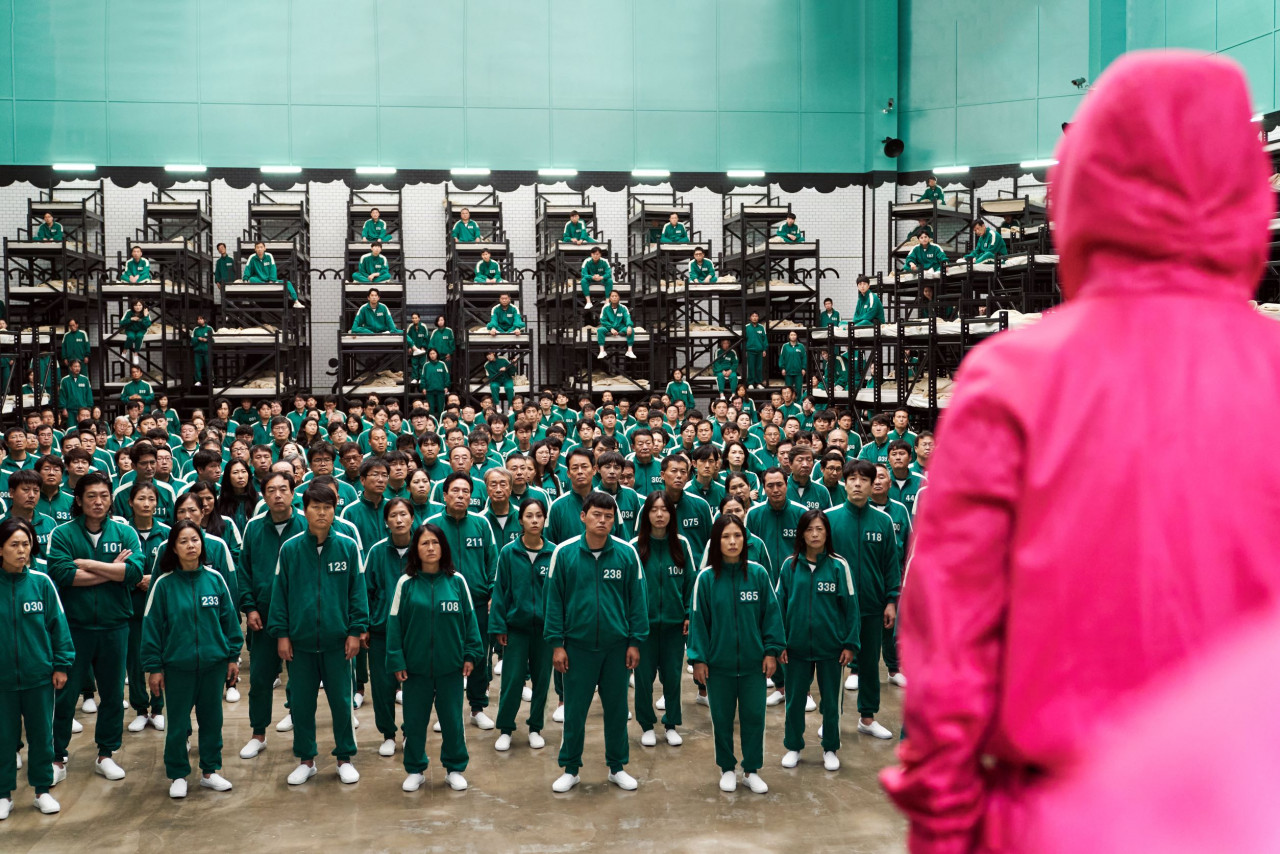
“I feel our industry needs to have a complete and integrated plan. We see how South Korea devised a strategy to bring Squid Game from its inception to being known globally.
"They don't just bring movies, but they are packaged with food, music, culture, even fashion in their work. We need content curators like this in Malaysia.
"With the popularity of their artists, more of their culture and creative industry products can be brought to the eyes of the world," he said when met by Getaran recently.
He also thinks that some of our artists, who have been accepted in foreign countries, can also use their popularity to bring more talent in the country more recognition overseas.
“For example, Shila Amzah who has made a name for herself in China, there should be an initiative for Shila to bring more celebrities there.
"Our industry has to look at everything in an integrated manner," he added.
Speaking about penetrating the Indonesian market, Azmi did not deny that it is a challenge for our creative products to be accepted over there.
“If our products want to enter the Indonesian market, they must be better than the products there. Otherwise, they better listen to their artist only. There needs to be identity construction, focusing on genres and variations in the work produced.
"Similarly, if foreign artists come to Malaysia, if the voice is the same as our celebrities, we will not be interested either," he said.
Hopefully in 2022, our industry will be more active in how it moves forward, carefully designed and driven by smart people who know the true meaning of striving for creativity that better reflects the face of society and the country. – The Vibes, January 24, 2022
*This story first appeared in our Malay-language sister portal Getaran.